


Australia Becomes First Country to Ban Social Media for Children Under 16
Australia will on Wednesday implement the world’s first nationwide ban on social media use for children under the age of 16, a landmark move aimed at safeguarding young users from online harms. The restriction will prevent minors from accessing platforms such as TikTok, YouTube, Instagram, and Facebook, placing the country at the forefront of global efforts to regulate digital access for children.
A Landmark Law with Global Implications
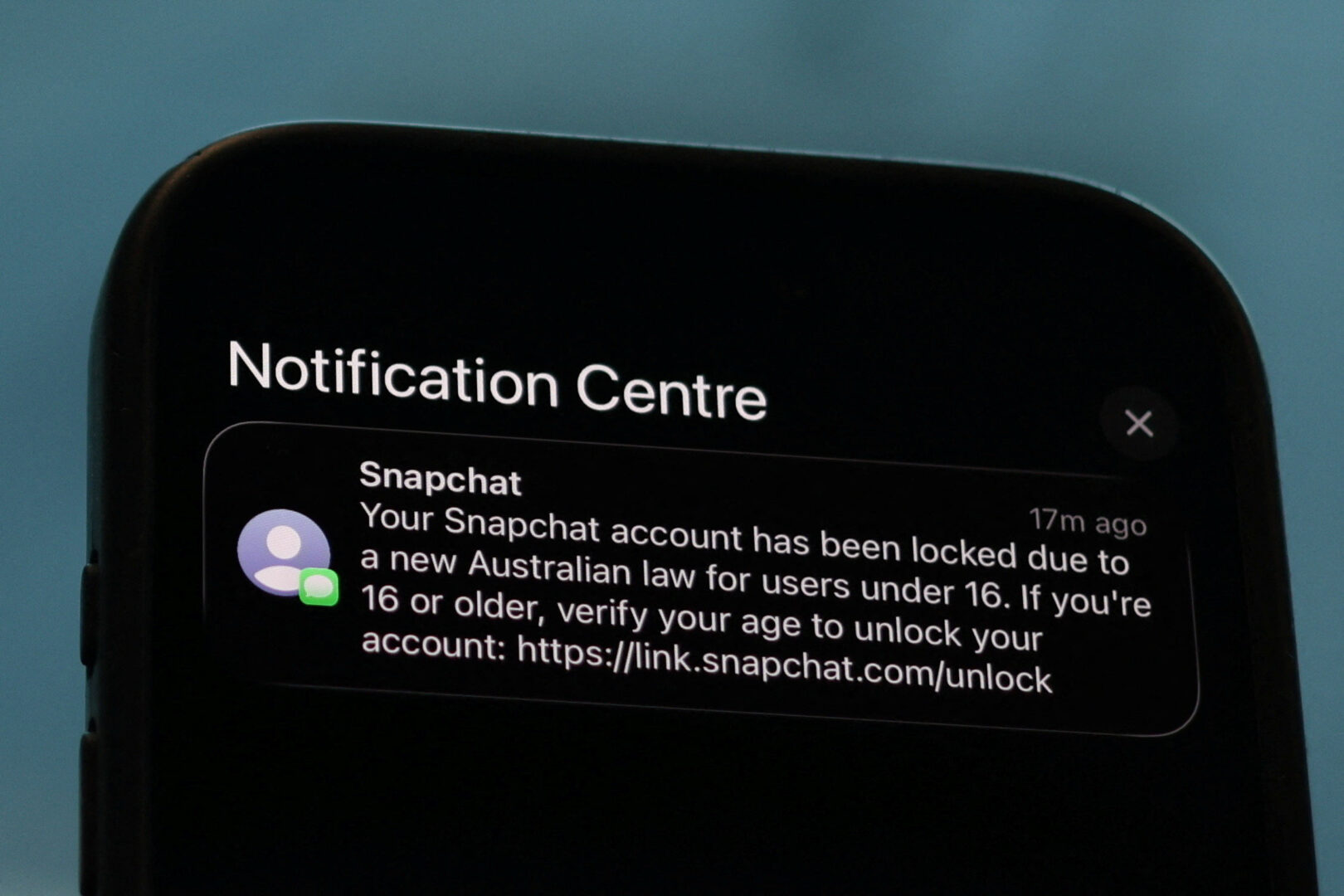
Passed in November 2024, Australia’s new law compels major social media companies to block users under 16 from registering or maintaining accounts. Platforms that fail to comply face fines of up to A$49.5 million ($32.8 million). The legislation represents one of the world’s most stringent digital safety frameworks and is being closely watched by other governments exploring similar measures.
Concerns over the psychological and social impact of social media on children have intensified globally, prompting renewed regulatory momentum. Australia’s initiative is expected to set a precedent for how far countries are willing to go in enforcing age-based access restrictions online.
How Other Nations Are Responding
Several countries have introduced or proposed comparable regulations:
Britain: The Online Safety Act, enforced this year, mandates stronger protections for minors but does not impose a specific minimum age for social media use.
China: A “minor mode” system restricts screen time and access to certain apps, with limits varying by age.
Denmark: Plans announced in November propose banning social media for those under 15, with limited parental exemptions for children as young as 13.
France: Since 2023, platforms must obtain parental consent for users under 15, though enforcement remains difficult.
Germany: Teenagers aged 13–16 may use social media only with parental consent, though critics say monitoring is weak.
Italy: Parental consent is required for users under 14, with unrestricted access permitted above that age.
Malaysia: A nationwide ban for users under 16 will take effect in 2026.
Norway: The government has proposed raising the minimum age for consent to 15 and may introduce an absolute age limit.
United States: Federal law bars data collection from children under 13 without parental consent. Several states have passed stricter laws, but many face free speech challenges in court.
European Union: In November, the European Parliament supported a non-binding resolution calling for a harmonised digital age limit of 13 and a social media minimum age of 16.
Industry Rules and Ongoing Challenges
Most social platforms, including TikTok, Facebook, Instagram, and Snapchat, already require users to be at least 13 years old. However, enforcement remains inconsistent, and data from European regulators show that millions of underage users continue to access these platforms using false birth dates or shared accounts.
Child safety advocates have praised Australia’s law as a decisive step toward protecting young users from harmful content and online manipulation. Yet critics argue that effective implementation will depend on technological verification tools and international cooperation, given the global nature of social media platforms.
With similar proposals gaining traction in Europe, North America, and Asia, Australia’s experiment could serve as a blueprint — or a cautionary tale — for governments grappling with how best to regulate children’s digital lives.
with inputs from Reuters

