


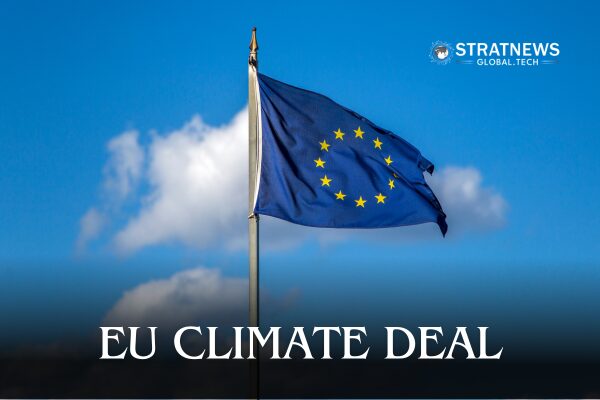
EU Sets 90% Emissions Cut Target by 2040 Amid Policy Compromises
The European Union has agreed to a legally binding target to cut greenhouse gas emissions by 90% from 1990 levels by 2040, marking a major step towards its net-zero ambitions. The deal, reached early Wednesday between negotiators from EU member states and the European Parliament, also allows the bloc to purchase foreign carbon credits covering 5% of the planned reductions.
A Balanced but Weaker Climate Agreement
While the agreement positions Europe ahead of most major economies in climate ambition, it falls short of the European Commission’s original plan and the stricter targets advised by the EU’s climate science panel. The compromise reflects divisions among member states over the pace and economic cost of the green transition.
Under the deal, European industries must deliver an 85% domestic emissions cut. The remaining 5% will come from financing carbon-saving projects in developing nations through international credit schemes.
“The target delivers on the need for climate action while safeguarding our competitiveness and security,” said Danish Climate Minister Lars Aagaard, who led negotiations for EU governments.
The bloc also agreed to review the option of using additional international carbon credits—up to another 5%—in the future, potentially easing domestic emissions obligations further.
Divisions Over Economic Burden and Green Strategy
The 2040 target emerged from months of tense talks between countries with contrasting economic priorities. Nations such as Poland, Slovakia and Hungary opposed deeper cuts, citing the strain on energy-intensive industries already facing high costs, cheaper Chinese imports and new U.S. trade tariffs.
By contrast, countries including the Netherlands, Spain and Sweden argued that accelerating climate action was essential, pointing to increasingly severe weather patterns and the need to match China’s pace in clean technology manufacturing.
To secure broader backing, negotiators agreed to delay by one year the introduction of a carbon pricing system for fuels, now set to take effect in 2028—a concession aimed at easing political resistance in more vulnerable economies.
Path to Legal Adoption
The target aims to keep the EU aligned with its 2050 net-zero emissions commitment. For the agreement to take legal effect, both the European Parliament and member states must give formal approval—a step typically seen as a procedural formality for pre-negotiated deals.
The outcome highlights Europe’s balancing act between climate ambition and industrial competitiveness as it seeks to lead the global clean energy transition without undermining its economic resilience.
with inputs from Reuters