

Close Menu
Stratnews GlobalStratnews Global
    Facebook X (Twitter) Instagram
    Trending
    • China Launches First Power Grid Monitoring Satellite to Boost Efficiency
    • EU EV Leaders Warn EU Against Weakening 2035 Zero-Emission Goal
    • EssilorLuxottica Smart Glasses Growth
    • China Boosts Tiangong Safety Following Shenzhou-20 Damage
    • PCOS Patients Turn to Weight-Loss Drugs for Relief and Hormonal Balance
    • EU – 90% emissions cut by 2040
    • Nvidia Introduces Location Tracking to Prevent AI Chip Smuggling
    • Bezos Earth Fund Donates $24.5 Million to Create First Cross-Border Marine Reserve
    Stratnews GlobalStratnews Global
    Write for Us
    Wednesday, December 10
    • Space
    • Science
    • AI and Robotics
    • Industry News
    Stratnews GlobalStratnews Global
    Home » China Boosts Tiangong Safety Following Shenzhou-20 Damage

    China Boosts Tiangong Safety Following Shenzhou-20 Damage

    ReshamBy ReshamDecember 10, 2025 Space No Comments2 Mins Read
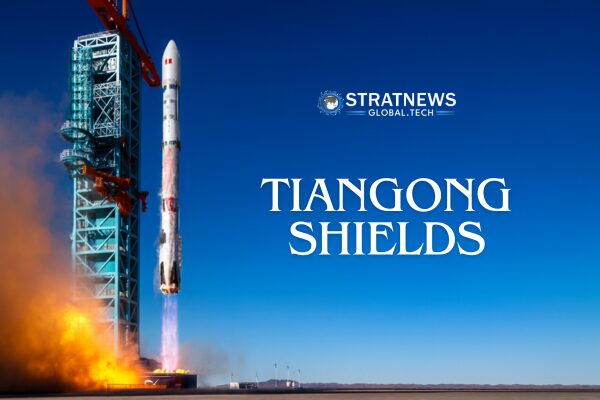
    China Tiangong

    Chinese Astronauts Install Debris Shields on Tiangong Space Station

    Chinese astronauts have fitted new protection against space debris on the Tiangong space station, a month after a docked spacecraft was damaged by orbital junk, according to China’s manned spaceflight authorities. The move follows an incident that underscored the growing dangers of space debris for all nations operating in orbit.

    Emergency Triggered by Shenzhou-20 Damage

    In early November, a small piece of high-speed debris struck the return capsule window of the Shenzhou-20 spacecraft while it was docked at Tiangong, cracking the surface just before the crew’s scheduled return to Earth. The impact prompted China’s space authorities to postpone the return and instead bring the astronauts home aboard Shenzhou-21.

    That emergency decision marked the first such event in China’s space programme history. It also led to an 11-day period during which the Shenzhou-21 crew remained on the station without a backup return vessel—a stark reminder of the operational risks caused by orbiting debris.

    The incident highlighted the persistent threat of space junk generated by defunct satellites, malfunctioning equipment and anti-satellite weapon tests. These fragments can travel at speeds exceeding 27,000 kilometres per hour, making even tiny particles potentially catastrophic upon impact.

    Protective Measures Installed During Spacewalk

    To prevent similar incidents, two members of the Shenzhou-21 crew conducted a spacewalk on Tuesday, using Tiangong’s robotic arm to install debris shields, the China Manned Space Engineering Office (CMSEO) said in a statement. The astronauts also inspected and photographed the damaged window of Shenzhou-20, which remains docked at the station.

    The spacecraft will later be undocked and sent back to Earth uncrewed for analysis and repair. CMSEO added that the cracked window might be further reinforced during upcoming spacewalks.

    Rising Risks in Earth’s Orbit

    China’s swift response demonstrates the increasing need for protection measures as orbital congestion worsens. The country’s space programme, which has advanced rapidly over the past decade, now faces the same hazards confronting other major spacefaring nations, including the United States and Russia.

    The episode serves as a reminder that as more satellites, rockets and spacecraft enter orbit, the risk of collisions and damage will continue to rise—posing challenges not just for science and exploration but for the long-term sustainability of human presence in space.

    with inputs from Reuters

    Author

    • Resham
      Resham

      Research Associate at Interstellar.| China Scholar | China Social Media & Foreign Affairs|

      View all posts
    Featured
    Share. Facebook Twitter Pinterest LinkedIn Tumblr Email Reddit Telegram WhatsApp
    Resham
    • X (Twitter)

    Research Associate at Interstellar.| China Scholar | China Social Media & Foreign Affairs|

    Keep Reading

    China Launches First Power Grid Monitoring Satellite to Boost Efficiency

    EU EV Leaders Warn EU Against Weakening 2035 Zero-Emission Goal

    EssilorLuxottica Smart Glasses Growth

    PCOS Patients Turn to Weight-Loss Drugs for Relief and Hormonal Balance

    EU – 90% emissions cut by 2040

    Nvidia Introduces Location Tracking to Prevent AI Chip Smuggling

    Add A Comment
    Leave A Reply Cancel Reply

    Anti Drone System (CUAS)
    Latest Posts

    China Launches First Power Grid Monitoring Satellite to Boost Efficiency

    December 10, 2025

    EU EV Leaders Warn EU Against Weakening 2035 Zero-Emission Goal

    December 10, 2025

    EssilorLuxottica Smart Glasses Growth

    December 10, 2025

    China Boosts Tiangong Safety Following Shenzhou-20 Damage

    December 10, 2025

    PCOS Patients Turn to Weight-Loss Drugs for Relief and Hormonal Balance

    December 10, 2025

    EU – 90% emissions cut by 2040

    December 10, 2025

    Nvidia Introduces Location Tracking to Prevent AI Chip Smuggling

    December 10, 2025

    Bezos Earth Fund Donates $24.5 Million to Create First Cross-Border Marine Reserve

    December 9, 2025

    Australia Enforces World’s First Social Media Ban for Under-16s

    December 9, 2025

    Bitcoin Faces Volatile Year-End in 2025 as Correlation with Equities Strengthens

    December 9, 2025

    Subscribe to News

    Get the latest sports news from NewsSite about world, sports and politics.

    • Astronomical Events
    • Space Missions
    • Industry News
    • Science
    StratNewsGlobal Tech
    Facebook X (Twitter) Instagram LinkedIn YouTube
    © 2025 StratNews Global, A unit of BharatShakti Communications LLP
    • About Us
    • Contributors
    • Copyright
    • Contact
    • Write for Us

    Type above and press Enter to search. Press Esc to cancel.