


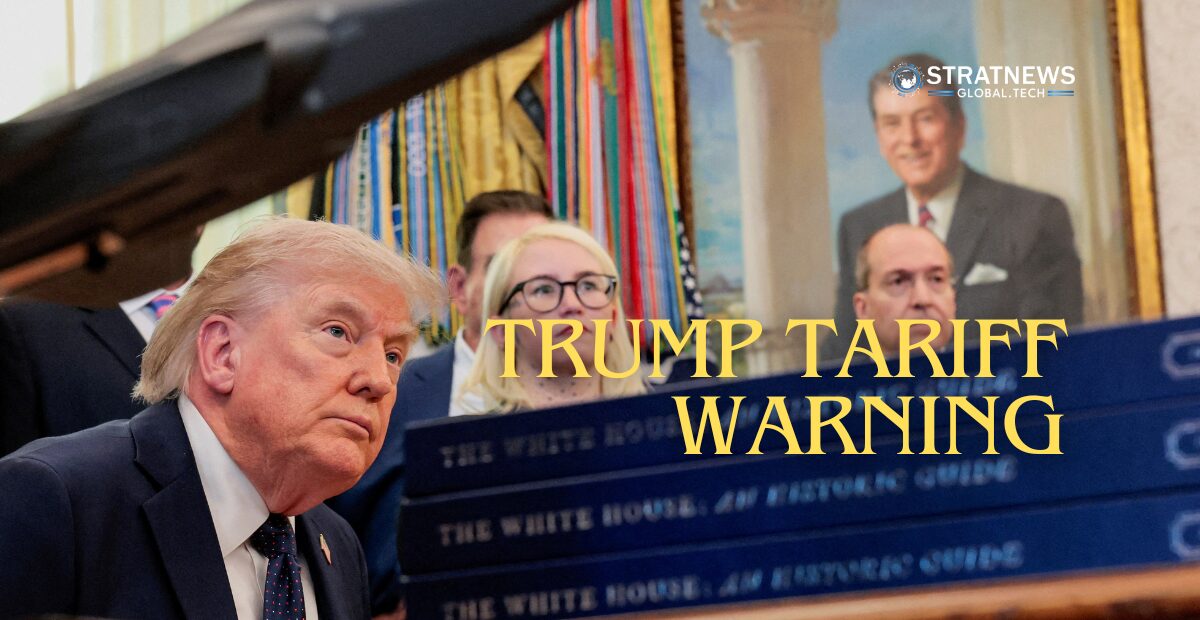
Trump Warns Of Tariffs Over UK Digital Tax Dispute
U.S. President Donald Trump has warned that the United States could impose significant tariffs on Britain if it continues to apply its digital services tax on major American technology firms. His remarks signal rising tensions between the two allies over taxation policies affecting global tech companies.
The United Kingdom introduced a 2 percent digital services tax in 2020. This policy targets large technology groups that generate substantial revenue from UK users. However, the measure has drawn criticism from both Republican and Democratic administrations in Washington.
Trump stated that failure to remove the tax could prompt a strong economic response. He indicated that the United States would likely impose a “big tariff” on British goods if the policy remains unchanged. As a result, trade relations between the two countries could face renewed strain.
Digital Tax Dispute Fuels Transatlantic Tensions
The dispute centres on how governments tax multinational technology companies. The UK’s digital services tax applies to firms such as Apple, Google, and Meta, which derive value from user activity in the country. While Britain views the tax as a fair approach to modern digital commerce, U.S. officials argue that it disproportionately affects American businesses.
Consequently, the disagreement has become a persistent issue in transatlantic relations. Previous administrations also raised concerns, highlighting the broader challenge of aligning international tax frameworks in the digital economy.
Moreover, Trump’s latest comments suggest a more aggressive stance. By linking the tax dispute to potential tariffs, he has increased pressure on the UK to reconsider its approach. This escalation could complicate ongoing diplomatic and economic cooperation.
Royal Visit Seen As Opportunity To Ease Strain
Trump’s remarks come just days before a planned visit by Britain’s head of state, King Charles. The visit is expected to include discussions aimed at strengthening ties between the two nations.
The U.S. president expressed optimism that the monarch could help improve relations. He suggested that diplomatic engagement during the visit might ease recent tensions and open the door for constructive dialogue.
Nevertheless, the outcome remains uncertain. While both countries maintain strong historical and economic links, disagreements over taxation and trade policy continue to test the relationship. The coming discussions may therefore play a crucial role in shaping the next phase of U.S.-UK cooperation.
With inputs from Reuters