


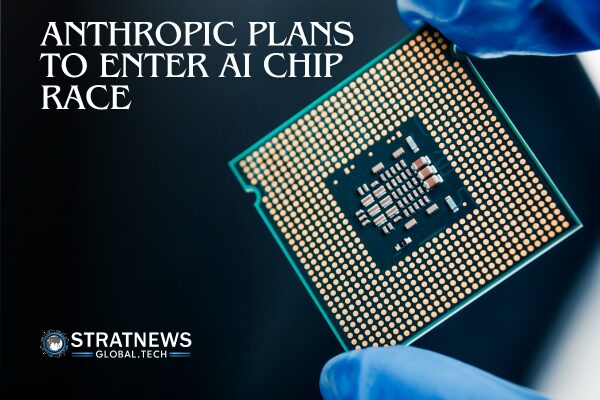
Anthropic Explores In House Chip Development Amid Supply Strain
Artificial intelligence firm Anthropic is examining the possibility of designing its own chips, according to three sources. The move reflects a broader industry response to a persistent shortage of specialised hardware required to power and advance modern AI systems. However, the initiative remains at a preliminary stage, and no final decision has been made.
Early Stage Plans Remain Uncertain
At present, Anthropic has not committed to building proprietary chips. Instead, it continues to assess whether developing its own hardware would offer strategic advantages over purchasing existing solutions. Two individuals familiar with the matter, along with another briefed on internal discussions, indicated that the company could ultimately decide against pursuing chip design altogether.
Moreover, the company has not yet established a dedicated team or selected a specific architectural approach. This lack of commitment highlights the exploratory nature of the effort. A spokesperson for the San Francisco based firm declined to comment, reinforcing the tentative status of the discussions.
Rising Demand Fuels Strategic Considerations
Demand for Anthropic’s AI model Claude has surged significantly in 2026. As a result, the company’s annualised revenue run rate has exceeded $30 billion, a sharp increase from approximately $9 billion at the end of 2025. This rapid growth has intensified the need for reliable and scalable computing resources.
Currently, Anthropic relies on a mix of external hardware. These include tensor processing units developed by Google as well as chips supplied by Amazon. These components support both the development and deployment of its AI systems, including the Claude chatbot.
Industry Trend Towards Custom Hardware
Earlier in the week, Anthropic entered a long term agreement with Google and Broadcom, which collaborates on designing tensor processing units. This partnership aligns with a broader commitment to invest $50 billion in enhancing computing infrastructure across the United States.
At the same time, Anthropic’s internal discussions mirror a wider trend among major technology firms. Companies across the sector are increasingly exploring the development of custom AI chips to reduce reliance on external suppliers and improve performance efficiency.
High Costs Present Significant Barriers
Despite the potential benefits, designing advanced AI chips presents substantial challenges. Industry sources estimate that such projects can cost around half a billion dollars. This figure reflects the need for highly skilled engineers as well as extensive investment in ensuring manufacturing precision and reliability.
Consequently, while the strategic appeal is clear, the financial and technical barriers remain considerable. Anthropic’s cautious approach suggests that it is weighing these factors carefully before making any definitive move.
With inputs from Reuters