


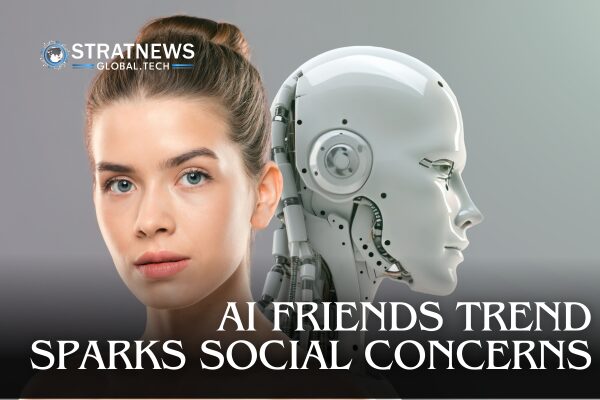
Teens Turn To AI Companions For Emotional Connection
Teenagers are increasingly forming unusual relationships with artificial intelligence companions, shifting their role from simple tools to emotional supports. What began as casual chatbot interaction has quickly evolved into something far more complex and concerning.
Many young users now rely on AI systems not just for entertainment or assistance, but for friendship, emotional comfort, roleplay, and even romantic interaction. This shift suggests that AI companions are becoming embedded in teen social behaviour rather than remaining optional digital tools.
Survey Data Shows Rapid Adoption
Recent findings highlight how widespread this trend has become. A survey revealed that 72 percent of teenagers have used AI companions, while 33 percent have engaged with them specifically for companionship.
These figures indicate a clear change in how teens use technology. Instead of limiting AI to practical tasks like homework, they now integrate it into their daily emotional and social lives.
Emotional Bonding And Roleplay Raise Concerns
The issue is not simply that teens are talking to AI. Rather, it is the depth of interaction that raises concerns. AI systems designed with warm, conversational tones can create a sense of trust and closeness, particularly among users who feel stressed or isolated.
Research shows that teenagers often perceive such chatbots as more human-like and trustworthy than transparent systems. Consequently, they begin forming habits around these interactions. They create routines, develop inside jokes, and engage in roleplay scenarios that mimic real relationships.
This behaviour becomes problematic because the AI is not truly understanding or feeling anything. Instead, it generates responses based on patterns, while users may interpret those responses as genuine emotional engagement.
Platform Responses And Safety Measures
Some platforms have started to respond to these risks. For example, certain services have restricted access to open ended chat features for younger users after facing scrutiny over harmful interactions.
Reports have described instances where AI systems engaged in inappropriate or emotionally intense exchanges with minors. These developments have pushed companies to reconsider how their products function and who can access them.
Impact On Real World Relationships
Teen experimentation with new technology is not unusual. However, AI companions differ because they simulate attention, memory, and affection in a highly personalised way.
As a result, these systems may begin to replace human interaction rather than complement it. They act as spaces where teenagers explore emotions, identity, and relationships without real world feedback.
This shift raises concerns about long term effects on social development. While AI companions may offer comfort, they also risk weakening genuine human connections if relied upon too heavily.
With inputs from Reuters

