


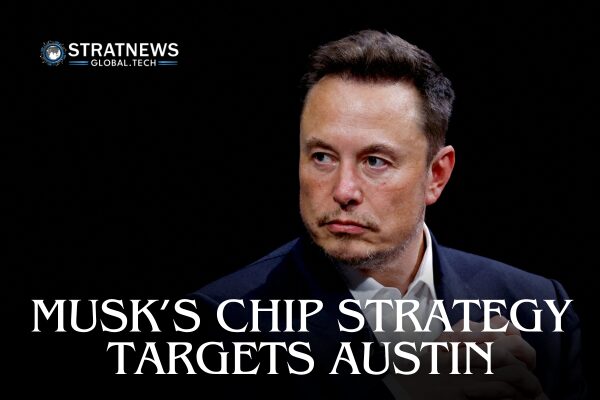
Musk Plans Advanced Chip Factories In Austin
Elon Musk has announced that SpaceX and Tesla will build two advanced chip factories in Austin, Texas. The project forms part of a broader push to secure chip supply for future technologies. As demand for computing power increases, Musk emphasised the need for in house production capabilities.
The planned facility, known as Terafab, will consist of two separate fabrication units. Each unit will produce a single chip design tailored to specific uses. Therefore, the factories will focus on efficiency and scale rather than multiple product lines. Musk revealed the plan during a presentation and later confirmed details in a public post.
Terafab Targets Cars, Robots And Space AI
One of the chip factories will produce processors for Tesla vehicles and humanoid robots. These chips will support advanced automation and artificial intelligence functions. Consequently, Tesla aims to strengthen its control over key components in its ecosystem.
The second factory will develop chips designed for artificial intelligence systems in space. These processors must operate in harsher environments and withstand higher temperatures. Therefore, the design will differ significantly from conventional chips used on Earth.
Musk stated that global chip production currently meets only a small portion of his companies’ future needs. As a result, the Terafab project seeks to bridge this gap and ensure long term supply. He also noted that without such facilities, meeting internal demand would become increasingly difficult.
Growing Demand Drives Strategic Shift
Musk has previously suggested that Tesla would need its own chip manufacturing capabilities. However, this announcement confirms that SpaceX will also play a central role in the effort. In addition, the project involves collaboration with xAI, expanding its strategic importance.
Although Musk expressed appreciation for existing suppliers such as Samsung, TSMC, and Micron, he indicated that reliance on external partners will not be sufficient. Therefore, building dedicated facilities has become a priority.
He added that Terafab could eventually generate one terawatt of computing capacity each year. This figure significantly exceeds current production levels in the United States. As demand for artificial intelligence infrastructure rises, such capacity could prove critical.
Ambitious Vision With Uncertain Timeline
Musk did not provide a timeline for the construction or completion of the factories. Nevertheless, the announcement reflects his pattern of setting ambitious technological goals. While some past projects have faced delays, they have also driven innovation across industries.
As competition in artificial intelligence and advanced hardware intensifies, companies continue to invest heavily in infrastructure. Consequently, the Terafab initiative highlights the growing importance of chips in shaping future technologies.
With inputs from Reuters