

Close Menu
Stratnews GlobalStratnews Global
    Facebook X (Twitter) Instagram
    Trending
    • Gaganyaan IADT-02 Test Boosts Mission Readiness
    • Artemis II Mission Ends With Perfect Splashdown
    • Chinese EV Demand Rises in UAE As Oil Prices Surge
    • Meta AI Engineering Push Reshapes Workforce
    • Artemis II Return Marks Historic Lunar Mission
    • Data Centre Costs Could Raise Household Bills in Australia
    • Anthropic AI Chips Plan Amid Supply Crunch
    • India’s AI Push: Who Pays the Bill?
    • Support Us
    Stratnews GlobalStratnews Global
    Write for Us
    Saturday, April 11
    • Space
    • Science
    • AI and Robotics
    • Industry News
    • Support Us
    Stratnews GlobalStratnews Global
    Home » US Helps Kenya Launch Its First Taifa-1 Satellite

    US Helps Kenya Launch Its First Taifa-1 Satellite

    StratNewsGlobal Tech TeamBy StratNewsGlobal Tech TeamApril 17, 2023 Economy & Culture No Comments1 Min Read

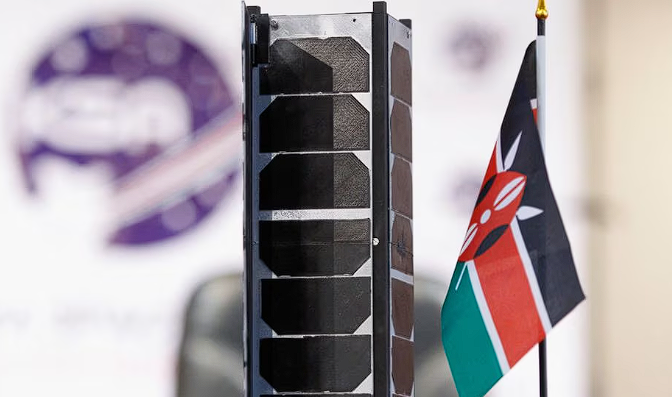
    Kenya launched its first operational earth observation satellite onboard a SpaceX rocket from the United States on Saturday, a live feed from Elon Musk’s rocket company showed. The satellite, developed by Kenyan engineers, will collect agricultural and environmental data on floods, drought and wildfires that authorities plan to use for disaster management and to combat food insecurity.
    The Falcon 9 rocket carrying the Taifa-1 satellite took off at about 0648 GMT without incident from the Vandenberg Base in California after three postponements due to bad weather. “We have the challenges that have been brought about by climate change, which the satellite, by virtue of being able to capture images (will be able to help monitor)”, Capt. Alloyce Were, an aeronautical engineer and deputy director of Navigation and Positioning at the government-run Kenya Space Agency, said on Friday before the satellite’s launch.
    The space agency said that Kenyan company SayariLabs built the satellite with the help of Bulgarian aerospace company Endurosat at the cost of 50 million Kenyan shillings ($372,000) over two years. The agency says it will operate for five years and then decay over 20 years, entering the atmosphere and burning out.
    Author

    • StratNewsGlobal Tech Team
      StratNewsGlobal Tech Team
      View all posts
    Featured
    Share. Facebook Twitter Pinterest LinkedIn Tumblr Email Reddit Telegram WhatsApp
    StratNewsGlobal Tech Team
    • Website

    Keep Reading

    Gaganyaan IADT-02 Test Boosts Mission Readiness

    Artemis II Mission Ends With Perfect Splashdown

    Chinese EV Demand Rises in UAE As Oil Prices Surge

    Meta AI Engineering Push Reshapes Workforce

    Artemis II Return Marks Historic Lunar Mission

    Data Centre Costs Could Raise Household Bills in Australia

    Add A Comment
    Leave A Reply Cancel Reply

    Anti Drone System (CUAS)
    Latest Posts

    Gaganyaan IADT-02 Test Boosts Mission Readiness

    April 11, 2026

    Artemis II Mission Ends With Perfect Splashdown

    April 11, 2026

    Chinese EV Demand Rises in UAE As Oil Prices Surge

    April 10, 2026

    Meta AI Engineering Push Reshapes Workforce

    April 10, 2026

    Artemis II Return Marks Historic Lunar Mission

    April 10, 2026

    Data Centre Costs Could Raise Household Bills in Australia

    April 10, 2026

    Anthropic AI Chips Plan Amid Supply Crunch

    April 10, 2026

    India’s AI Push: Who Pays the Bill?

    April 10, 2026

    Did Development Fail—or Did Naxalism Block It?

    April 9, 2026

    Tesla SUV Plan Highlights New Affordable EV Strategy

    April 9, 2026

    Subscribe to News

    Get the latest sports news from NewsSite about world, sports and politics.

    • Astronomical Events
    • Space Missions
    • Industry News
    • Science
    StratNewsGlobal Tech
    Facebook X (Twitter) Instagram LinkedIn YouTube
    © 2026 StratNews Global, A unit of BharatShakti Communications LLP
    • About Us
    • Contributors
    • Copyright
    • Contact
    • Write for Us

    Type above and press Enter to search. Press Esc to cancel.