


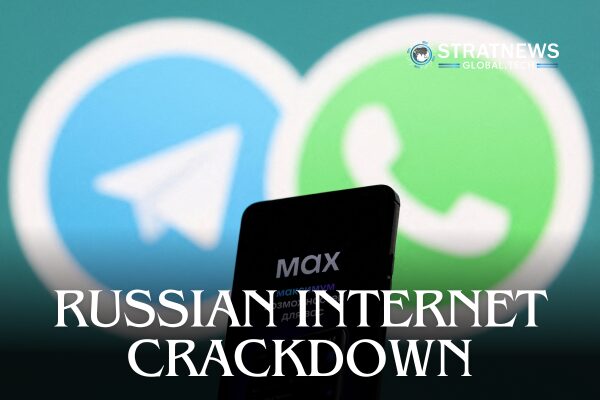
Kremlin Tightens Grip On Internet Access Across Russia
Office workers struggling with blocked connections and teenagers constantly switching VPNs reflect a growing reality across Russia. The government has intensified its control over internet access, disrupting connectivity in major cities and restricting widely used platforms. In recent days, mobile internet outages have occurred daily in parts of Moscow, St Petersburg, and other urban centres.
Officials have acknowledged these disruptions. Kremlin spokesman Dmitry Peskov stated that the measures relate partly to legal compliance issues involving foreign technology companies. Additionally, authorities cite security concerns linked to the ongoing conflict, including the threat posed by drones that rely on mobile networks for navigation. Therefore, the government has justified these actions as necessary for national defence.
Messaging Apps And VPNs Face Increasing Restrictions
Authorities have expanded their crackdown by targeting messaging services and tools that bypass restrictions. Telegram and WhatsApp have faced slowdowns and outright blocks, while hundreds of VPN services have been restricted. Reports indicate that by mid January, more than 400 VPNs had been blocked, marking a sharp increase compared to the previous year.
The government has also introduced new laws that grant broader powers to security agencies. Mobile operators must now disconnect users upon request, while authorities can establish detention centres under their jurisdiction. As a result, the state has significantly strengthened its ability to monitor and control digital communication.
Officials argue that these measures protect national unity and security. However, critics claim they restrict privacy and free expression. Meanwhile, some citizens continue to find ways around the controls, often switching between VPN services to maintain access to global platforms.
Security Strategy Reflects Broader Political Concerns
The tightening of internet controls aligns with wider efforts to maintain stability during the ongoing conflict. Diplomatic sources suggest that the government aims to prevent unrest both during and after the war. Consequently, authorities appear to be preparing for scenarios that could challenge domestic order.
Experts note that historical experiences influence current strategies. Past conflicts and periods of instability have shaped how security agencies approach internal control. Therefore, officials are working to ensure that future developments do not trigger similar disruptions.
Russia has also studied approaches used by other countries to regulate internet access. This includes developing systems capable of blocking large sections of the web while maintaining oversight of communications. Such measures indicate a long term shift towards tighter digital governance.
Intensifying Controls Signal Long Term Shift
Recent actions show a marked escalation compared to earlier restrictions. Internet disruptions have become more frequent, while enforcement against messaging platforms has grown more aggressive. At the same time, authorities continue to promote domestic alternatives to foreign applications.
Some officials deny that these steps are repressive, describing them instead as essential safeguards. However, the scale and consistency of the measures suggest a broader transformation in how digital space is managed. As restrictions deepen, everyday users face increasing challenges in accessing information and communicating freely.
The ongoing clampdown underscores the balance between security priorities and digital freedom. It also highlights how modern conflicts extend beyond physical battlefields into the realm of information and connectivity.
With inputs from Reuters