

Close Menu
Stratnews GlobalStratnews Global
    Facebook X (Twitter) Instagram
    Trending
    • Iron Bar Discovery Inside Ring Nebula Puzzles Astronomers
    • Rajasthan to Add 4,400 MW Coal Power Despite Renewable Energy Push
    • Iran May End Internet Blackout After Deadly Protests and State TV Hack
    • UK’s Starmer Vows Tougher Action to Shield Children on Social Media
    • China Tightens Control on High-Frequency Traders to Ensure Market Fairness
    • Global Space Investment Set to Climb Again in 2026 as Defence Spending Rises
    • Google Rolls Out AI Upgrades and Address Change Option in Major Gmail Update
    • Tesla Gains Edge as Canada Lifts 100% Tariffs on Chinese-Made EVs
    Stratnews GlobalStratnews Global
    Write for Us
    Tuesday, January 20
    • Space
    • Science
    • AI and Robotics
    • Industry News
    Stratnews GlobalStratnews Global
    Home » Elephants May Use Names to Communicate, New Study Suggests

    Elephants May Use Names to Communicate, New Study Suggests

    StratNewsGlobal Tech TeamBy StratNewsGlobal Tech TeamJune 12, 2024Updated:June 26, 2024 Economy & Culture No Comments4 Mins Read
    Elephants
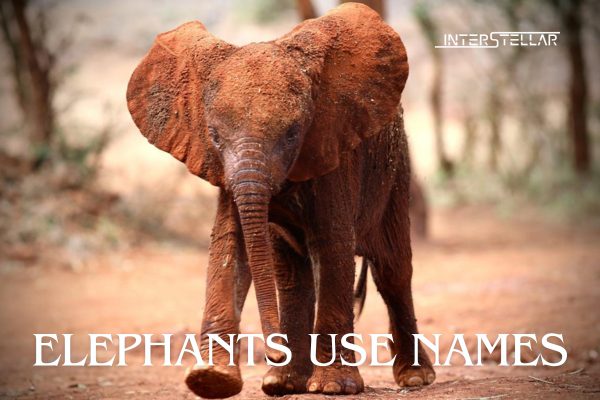
    Mokogodo a playful 20-month-old female calf resides at the Nairobi Nursey under the care of the Sheldrick Wildlife Trust.

    Elephants May Use Names to Communicate with Each Other

    Over the years, researchers studying elephants have observed a fascinating behaviour. Sometimes when an elephant makes a vocalisation to a group, all the others respond. At other times, only a single individual replies to the same call. This raises the question: could they be addressing each other by names?

    A recent study of wild African savannah elephants in Kenya suggests this might be the case. Researchers analysed the vocalisations—mainly rumbles produced using their vocal cords—of more than 100 elephants in Amboseli National Park and Samburu National Reserve.

    Using a machine-learning model, researchers identified a name-like component in these calls, indicating a specific elephant as the intended recipient. They then played these recordings to 17 of them to see how they would react to calls directed at them versus those meant for others.
    Elephants
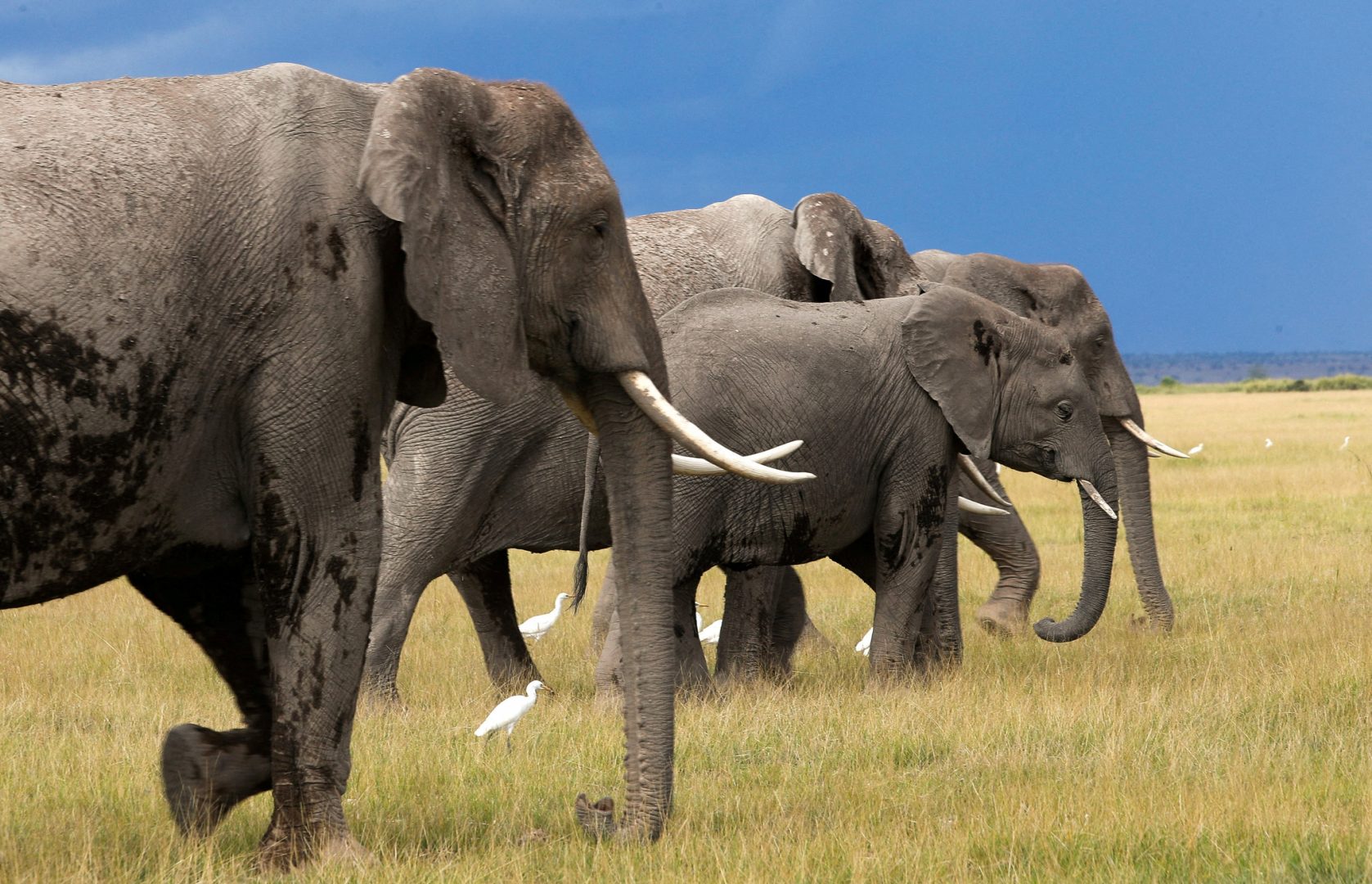
    FILE PHOTO: Elephants walk at the Amboseli National Park in Kajiado County, Kenya, April 4, 2024. REUTERS

    Study Findings on Elephants

    They responded more strongly to calls seemingly addressed to them. When they heard such calls, they behaved more enthusiastically, walked towards the audio source, and vocalised more than when they heard calls meant for other elephants.

    The study’s findings indicate that elephants “address one another with something like a name,” according to behavioural ecologist Mickey Pardo of Cornell University and the study’s lead author. This research was published in the journal Nature Ecology & Evolution.
    Elephants
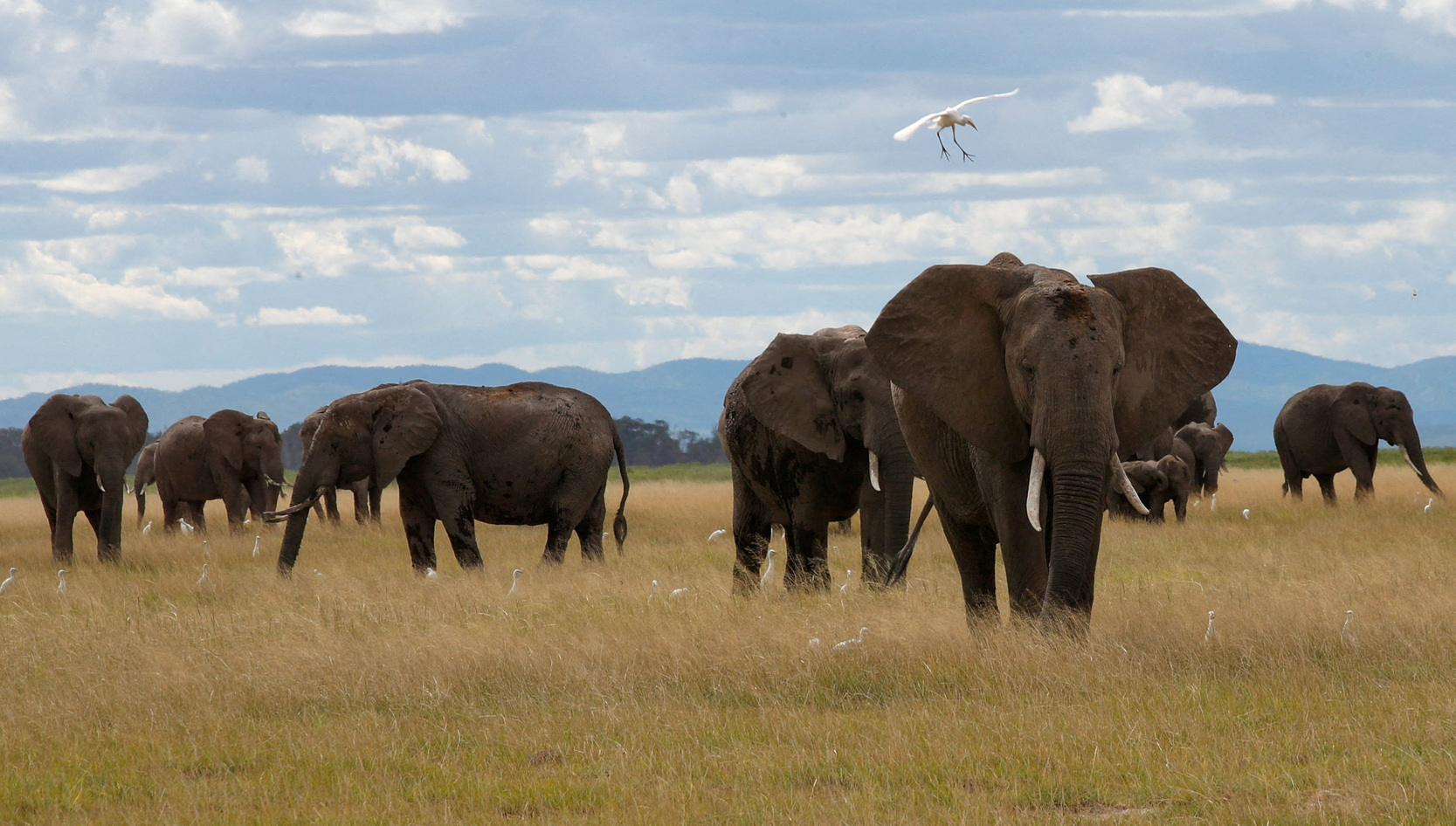
    FILE PHOTO: A bird flies over elephants as it walks at the Amboseli National Park in Kajiado County, Kenya, April 4, 2024. REUTERS/Monicah Mwangi/File Photo

    Importance of Social Bonds in Elephants

    Pardo stated that for elephants to address one another in this way, they must associate specific sounds with individual elephants. This requires sophisticated learning and understanding of social relationships. The use of name-like calls underscores the importance of social bonds and maintaining various social connections for elephants.

    Elephants, the largest land animals, are known for their intelligence, keen memory, problem-solving skills, and sophisticated communication. Previous research has shown that they engage in complex behaviours, such as visual, acoustic, and tactile gestures when greeting each other.
    Elephants
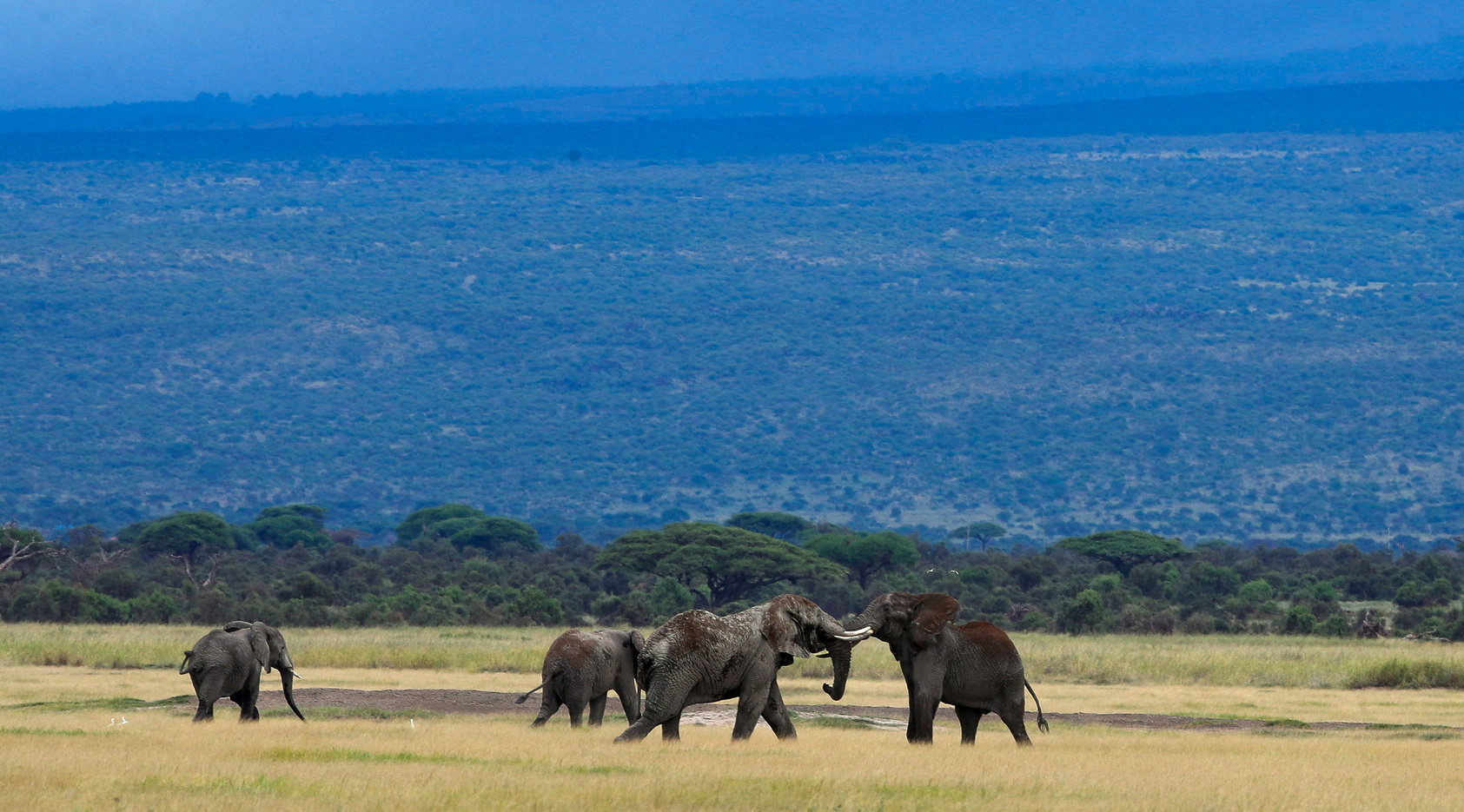
    FILE PHOTO: Elephants walk at the Amboseli National Park in Kajiado County, Kenya, April 4, 2024. REUTERS/Monicah Mwangi/File Photo

    Purpose of Name-like Calls

    Why do elephants use names to call each other? While the exact reasons are not fully known, the analysis suggests this behaviour occurs commonly during contact calls where one elephant calls another by name. It is also prevalent among a mother’s rumbles to her calves, often to calm them or check on them.

    Using individual-specific vocal labels, or names, is rare but not unprecedented in the animal kingdom. Dolphins and parrots also use names, but they typically imitate the sounds made by other animals. Elephants, however, use arbitrary names, similar to human names, indicating a level of abstract thought.
    Amboseli National Park
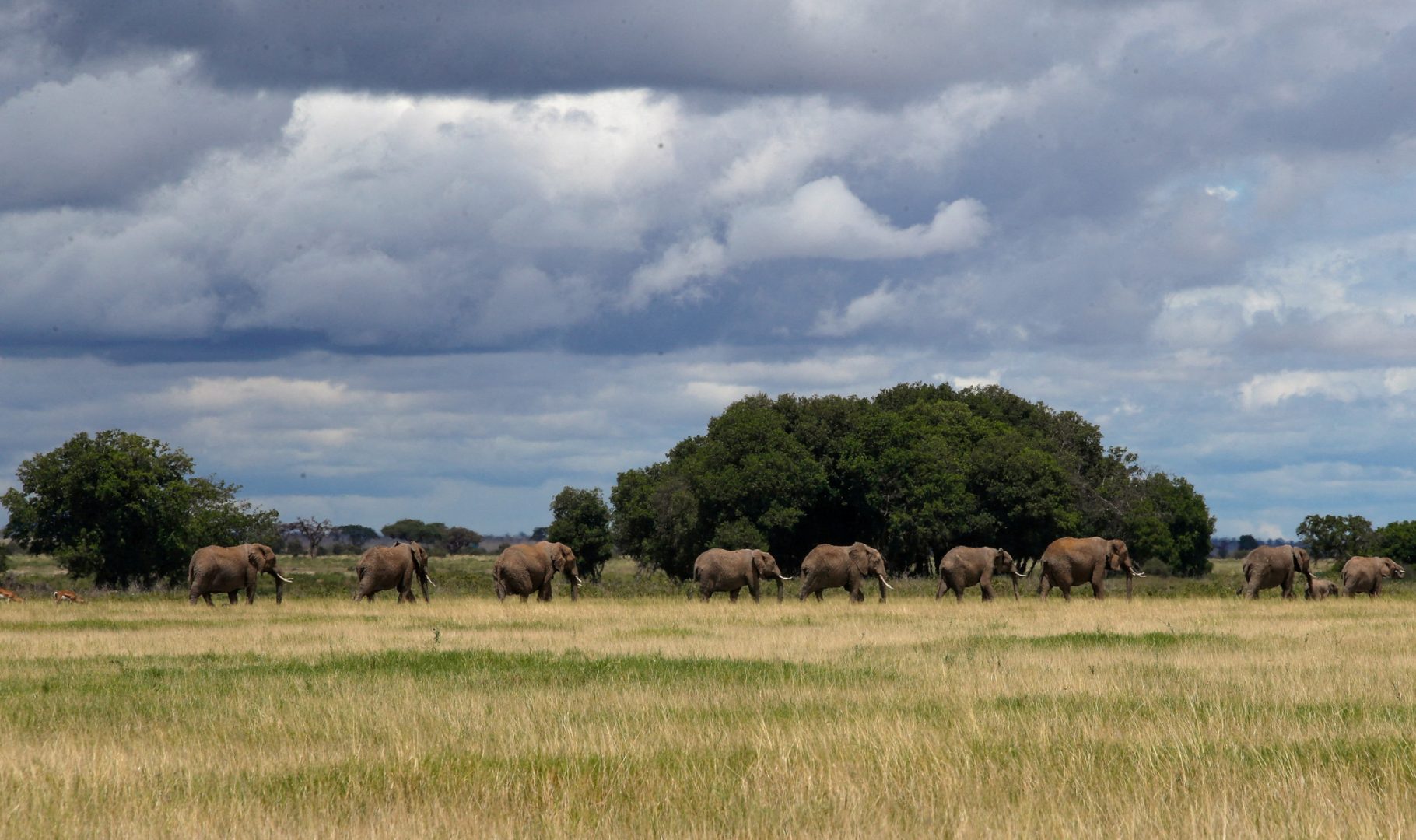
    FILE PHOTO: Elephants walk at the Amboseli National Park in Kajiado County, Kenya, April 4, 2024. REUTERS

    Future Prospects

    Might humans one day be able to “talk” with elephants? Colorado State University conservation biologist and study co-author George Wittemyer believes this is a distant possibility. He noted that we still do not understand the syntax or basic elements of elephant vocalisations. Further research is needed to decode this information before any deeper progress can be made in understanding elephant communication.
    Kenya
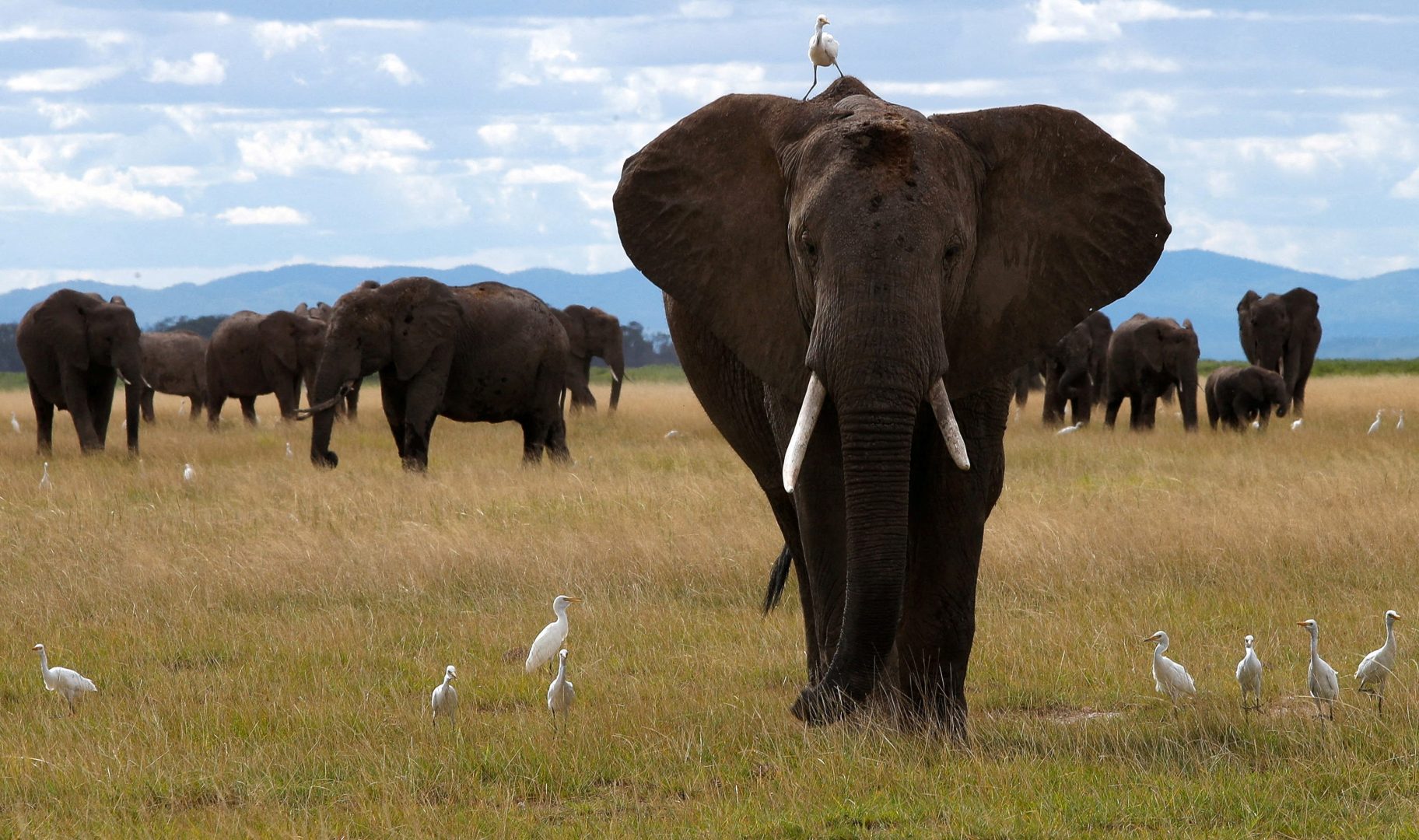
    FILE PHOTO: A bird perches on an elephant as it walks at the Amboseli National Park in Kajiado County, Kenya, April 4, 2024. REUTERS

    Conclusion

    This research highlights the intelligence and social complexity of elephants. Understanding their communication can foster greater interest in their conservation and protection.

    Author

    • StratNewsGlobal Tech Team
      StratNewsGlobal Tech Team

      View all posts
    Featured Picks
    Share. Facebook Twitter Pinterest LinkedIn Tumblr Email Reddit Telegram WhatsApp
    StratNewsGlobal Tech Team
    • Website

    Keep Reading

    Iron Bar Discovery Inside Ring Nebula Puzzles Astronomers

    Rajasthan to Add 4,400 MW Coal Power Despite Renewable Energy Push

    Iran May End Internet Blackout After Deadly Protests and State TV Hack

    UK’s Starmer Vows Tougher Action to Shield Children on Social Media

    China Tightens Control on High-Frequency Traders to Ensure Market Fairness

    Global Space Investment Set to Climb Again in 2026 as Defence Spending Rises

    Add A Comment
    Leave A Reply Cancel Reply

    Anti Drone System (CUAS)
    Latest Posts

    Iron Bar Discovery Inside Ring Nebula Puzzles Astronomers

    January 20, 2026

    Rajasthan to Add 4,400 MW Coal Power Despite Renewable Energy Push

    January 20, 2026

    Iran May End Internet Blackout After Deadly Protests and State TV Hack

    January 20, 2026

    UK’s Starmer Vows Tougher Action to Shield Children on Social Media

    January 20, 2026

    China Tightens Control on High-Frequency Traders to Ensure Market Fairness

    January 20, 2026

    Global Space Investment Set to Climb Again in 2026 as Defence Spending Rises

    January 20, 2026

    Google Rolls Out AI Upgrades and Address Change Option in Major Gmail Update

    January 19, 2026

    Tesla Gains Edge as Canada Lifts 100% Tariffs on Chinese-Made EVs

    January 19, 2026

    China’s Shenzhou-20 Capsule Lands Safely After Debris Damage

    January 19, 2026

    OpenAI to Test Ads in ChatGPT as Revenue Push Intensifies

    January 19, 2026

    Subscribe to News

    Get the latest sports news from NewsSite about world, sports and politics.

    • Astronomical Events
    • Space Missions
    • Industry News
    • Science
    StratNewsGlobal Tech
    Facebook X (Twitter) Instagram LinkedIn YouTube
    © 2026 StratNews Global, A unit of BharatShakti Communications LLP
    • About Us
    • Contributors
    • Copyright
    • Contact
    • Write for Us

    Type above and press Enter to search. Press Esc to cancel.