



Artemis II Crew Returns Safely After Historic Lunar Voyage
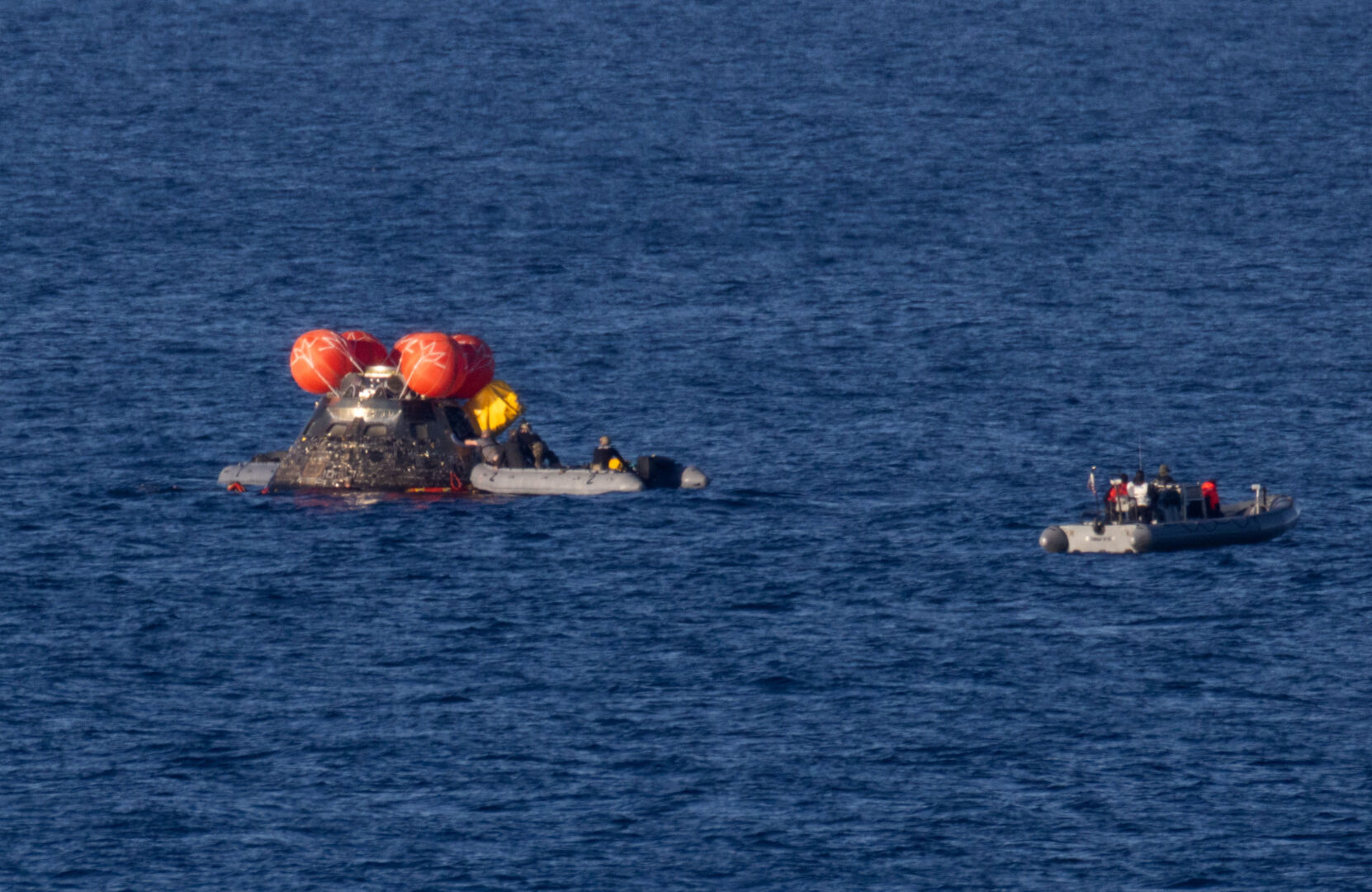
The Artemis II capsule completed its journey as it re-entered Earth’s atmosphere and splashed down in the Pacific Ocean, marking the end of a nearly ten-day mission. The spacecraft, known as Orion and named Integrity, descended under parachutes into calm waters off the Southern California coast shortly after 5:07 p.m. Pacific Time. This event concluded the first human mission to the vicinity of the moon in more than fifty years.
The mission carried four astronauts who travelled farther into space than any crew before them. Their journey reached a distance of 252,756 miles from Earth and covered a total of 694,392 miles. The flight included two Earth orbits followed by a close lunar flyby, bringing the crew within approximately 4,000 miles of the moon’s surface.
Precise Splashdown And Safe Recovery
The capsule’s return tested critical systems, especially during the intense phase of atmospheric re-entry. Travelling at 32 times the speed of sound, the spacecraft endured extreme heat reaching around 5,000 degrees Fahrenheit. Consequently, a layer of ionised gas formed around the capsule, causing a temporary communication blackout lasting over six minutes.
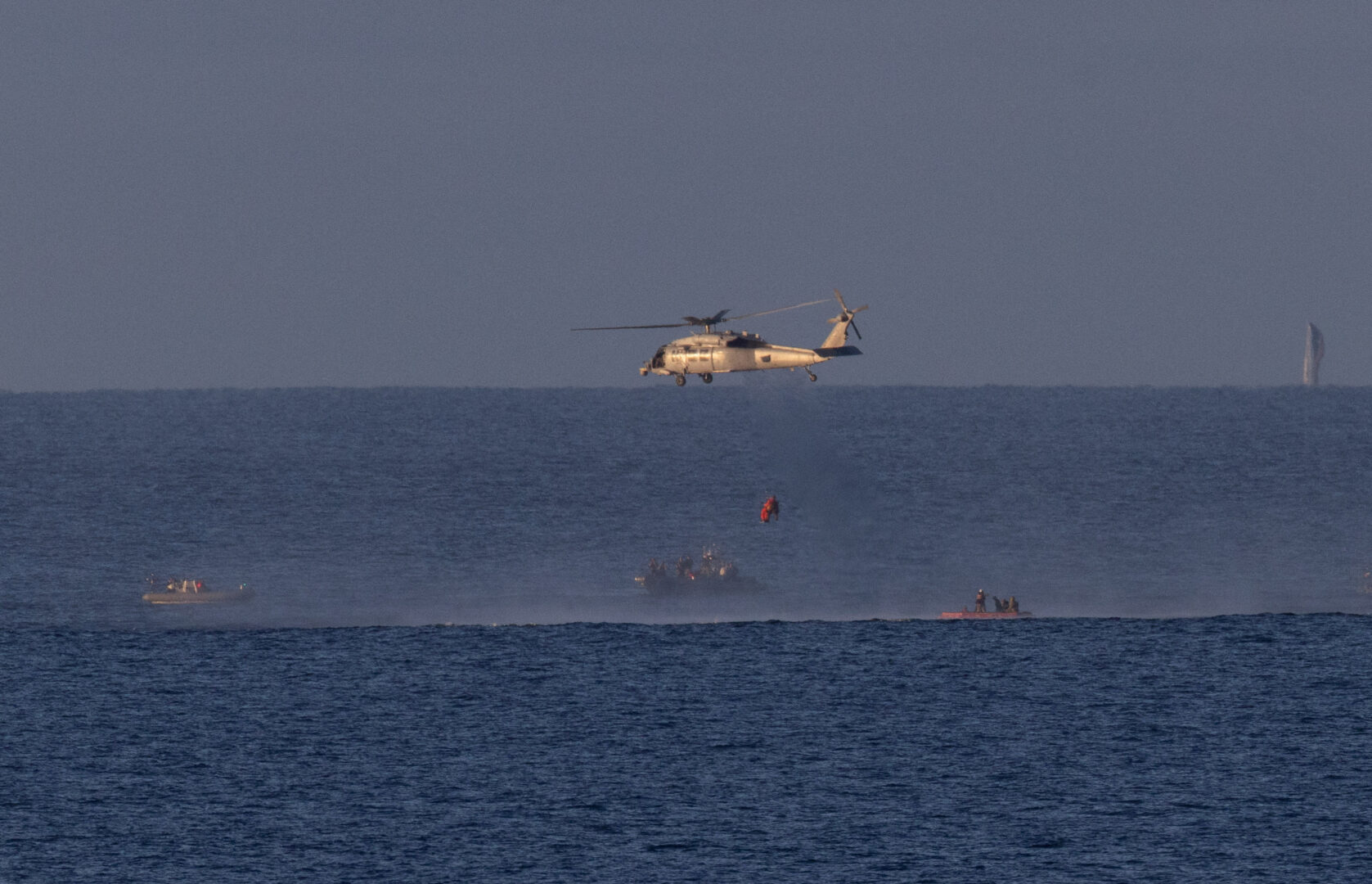
Contact resumed shortly before parachutes deployed to slow the descent. The spacecraft then landed gently in the ocean at a reduced speed. Recovery teams quickly secured the capsule, and within two hours, all four astronauts were safely retrieved. They were transferred to a nearby naval vessel for medical checks before returning to Houston.
A Significant Step Towards Future Missions
This mission served as the first crewed test in a broader programme aimed at returning humans to the lunar surface. The Artemis II flight followed an earlier uncrewed mission and provided essential data for future exploration. Notably, the mission demonstrated improvements made after earlier heat shield concerns.
The crew also marked several milestones, representing diverse participation in lunar exploration. Their journey surpassed previous distance records set during earlier space missions, highlighting advancements in spacecraft capability and mission planning.
Renewed Momentum In Space Exploration
The successful return reinforced confidence in the systems designed for future missions. It also validated years of development behind the launch system and spacecraft. At the same time, the programme continues to face challenges, including delays and resource constraints.
Despite these hurdles, the mission generated widespread public interest, with millions watching the live broadcast of the splashdown. The achievement underscored the enduring appeal of space exploration and its role in advancing scientific and technological progress.
The focus now shifts to upcoming missions, which aim to further test systems before eventually returning astronauts to the moon. These efforts form part of a longer-term vision to establish a sustained human presence beyond Earth.
With inputs from Reuters