


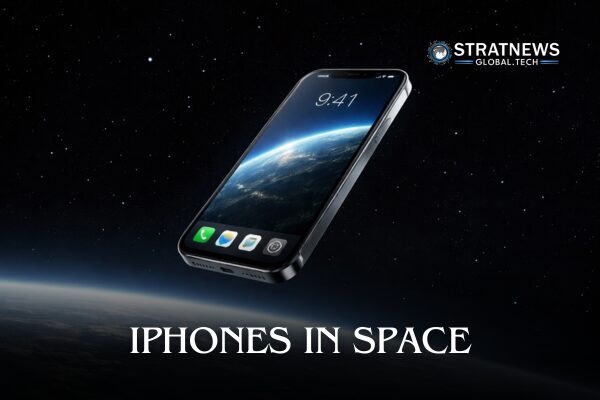
Astronauts aboard the Artemis II spacecraft carried smartphones during their journey, marking a shift in how crews document missions. Although these devices travelled into space, they could not connect to the internet or use wireless features.
About four hours into the mission, a silver iPhone floated through the cockpit. It moved from Jeremy Hansen’s hands, passed Reid Wiseman and Victor Glover, and reached Christina Koch. This moment highlighted how everyday technology now plays a role in space exploration.
Smartphones Approved for Space Use
NASA permitted astronauts to bring smartphones for the first time on such a mission. The agency issued each crew member an iPhone during their quarantine period, which began in March. However, strict limitations applied. The phones could not access the internet, connect via Bluetooth, or run online applications.
Instead, astronauts used the devices mainly to capture photos and videos. So far, they have recorded views outside the Orion capsule, including images of the rocket stage that carried them into space. Additionally, crew members documented manoeuvres of the spacecraft as it moved around the rocket, demonstrating how future docking operations may work.
Jared Isaacman explained that providing smartphones allowed astronauts to preserve meaningful moments. He also noted that the initiative challenged traditional processes by approving modern devices for spaceflight within a shorter timeframe.
Cameras and Equipment on Board
Although the iPhones attracted attention, they were not the only imaging tools onboard. The crew also used two Nikon D5 cameras and four GoPro Hero 11 devices. These systems complemented the smartphones, offering multiple ways to document the mission.
The approval of any hardware for space requires a detailed process. Experts first present the device to a safety panel. Next, they identify potential hazards, such as fragile materials or moving components. Then, they create plans to reduce risks. Finally, they test these solutions to ensure safety.
Challenges of Using Devices in Microgravity
Conditions in space differ greatly from those on Earth. In microgravity, objects do not fall but float freely. As a result, even small hazards can become serious concerns. For instance, broken glass would drift through the cabin rather than drop safely to the floor.
To manage this, astronauts rely on securing tools carefully. Velcro plays a key role in attaching items throughout the spacecraft. Before launch, at least one phone was stored in a flight suit pocket to prevent it from floating away.
A New Step for Consumer Technology in Orbit
Apple did not take part in NASA’s approval process. Nevertheless, the mission marked the first time an iPhone qualified for extended use in orbit and beyond. While smartphones have travelled to space before, many earlier cases involved private missions or experiments.
For example, a 2021 private mission used an iPhone to photograph Earth. Similarly, astronauts on a 2011 space shuttle mission carried earlier models for testing purposes. However, Artemis II represents a broader acceptance of modern consumer devices in official missions.
Author

A multi-faceted professional with a diverse range of skills and experiences. He currently works as a Producer, Digital Marketer, and Journalist for several well-known media outlets, namely StratNewsGlobal, BharatShakti, and Interstellar. With a passion for storytelling and a keen eye for detail, Aditya has covered a wide range of topics and events across India, bringing a unique perspective to his work.When he's not busy producing content, Aditya enjoys exploring new places and cuisines, having traveled extensively throughout India. He's also an avid writer and poet, often penning his thoughts and musings in his free time. And when he wants to unwind and relax, Aditya spends time with his two loyal companions, Zorro and Pablo, his beloved dogs.Aditya's dynamic personality and varied interests make him a unique individual, always eager to learn and experience new things.
View all posts