


Close Menu
Stratnews GlobalStratnews Global
    Facebook X (Twitter) Instagram
    Trending
    • Bitcoin Set for First Annual Loss Since 2022 as Market Volatility Deepens
    • Humanoid Robots Steal the Show at China’s CMG Gala
    • Trump Administration Removes Sanctions on Three Intellexa Executives
    • Neuralink to Begin Mass Production of Brain Implants in 2026
    • Starlink to Lower Satellite Orbits in 2026 to Enhance Space Safety
    • The New India Moment: Jobs, Growth And The Road To 2047
    • How 2025 Changed India’s Economic and Strategic Playbook
    • India’s Gaganyaan Enters the Big League of Human Spaceflight Systems
    Stratnews GlobalStratnews Global
    Write for Us
    Friday, January 2
    • Space
    • Science
    • AI and Robotics
    • Industry News
    Stratnews GlobalStratnews Global
    Home » Russia Launches Soyuz Rocket with Ionosphere and International Satellites

    Russia Launches Soyuz Rocket with Ionosphere and International Satellites

    Kanika SharmaBy Kanika SharmaNovember 5, 2024Updated:November 5, 2024 Space No Comments2 Mins Read
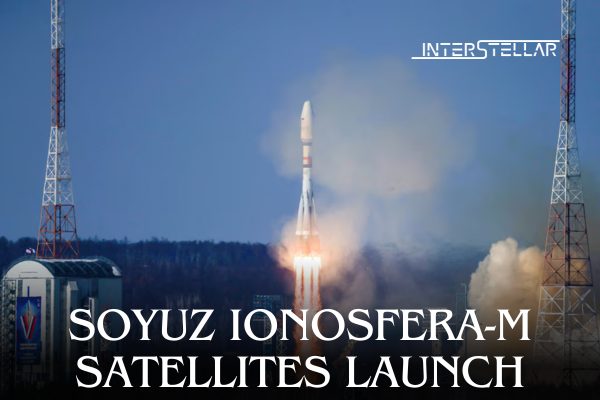
    Russia Launches Soyuz

    Russia Launches Soyuz Rocket carrying Ionosphere-Monitoring and International Satellites

    Russia launches Soyuz rocket on Tuesday, carrying a mix of ionosphere-monitoring and international satellites, including two from Iran. The rocket took off from the Vostochny Cosmodrome, located in Russia’s Far East, as confirmed by Russia’s space agency, Roscosmos.

    Launch Details and Primary Mission

    The Soyuz-2.1 spacecraft transported two main payloads, the Ionosfera-M satellites, which will help monitor the Earth’s ionosphere. Positioned around 820 kilometres (510 miles) above Earth, each Ionosfera-M satellite weighs 430 kilograms (948 pounds) and contributes to a planned four-satellite constellation. The ionosphere is a key layer in Earth’s atmosphere, stretching from about 80 to 644 kilometres (50 to 400 miles) above the surface, where it merges into space. This layer plays a crucial role in space weather and communication systems. Two additional Ionosfera-M satellites are expected to join the constellation in 2025.
    Russia Launches Soyuz
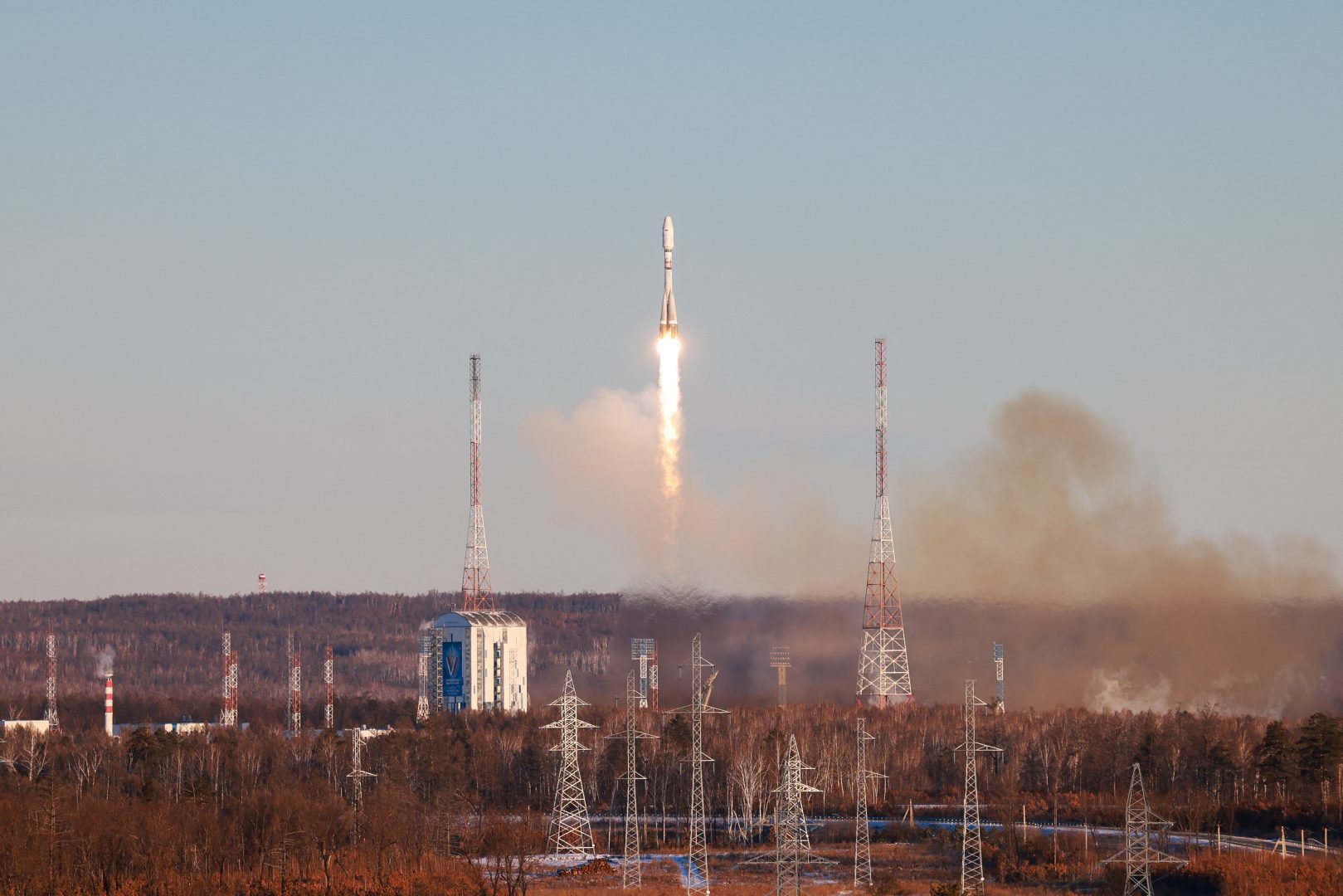
    A Soyuz-2.1b rocket booster with a Fregat upper stage carrying satellites blasts off from its launchpad at the Vostochny Cosmodrome in the far-eastern Amur region, Russia November 5, 2024. GCTC/Roscosmos/Handout via REUTERS

    International Collaboration in Space

    Alongside the Ionosfera-M satellites, the launch included 53 smaller satellites, highlighting an international effort. Notably, the mission carried two Iranian satellites: Kowsar, a high-resolution imaging satellite, and Hodhod, a compact communications satellite. These additions reflect Iran’s ongoing interest in advancing its space-based observational and communication technologies.

    First Russian-Chinese Student Satellite Launched

    A significant aspect of the mission was the launch of the Russian-Chinese student satellite, Druzhba ATURK. This project aims to foster academic and technological cooperation between the two nations, allowing students to participate in and contribute to space research.

    In recent months, Russia has collaborated with Iran on satellite missions. In February, a Russian rocket launched an Iranian research satellite dedicated to topographical mapping of Iran’s landscape from space, marking another milestone in the space partnership between the two countries.

    Author

    • Kanika Sharma
      Kanika Sharma

      View all posts
    Featured
    Share. Facebook Twitter Pinterest LinkedIn Tumblr Email Reddit Telegram WhatsApp
    Kanika Sharma
    Kanika Sharma

      Keep Reading

      Humanoid Robots Steal the Show at China’s CMG Gala

      Trump Administration Removes Sanctions on Three Intellexa Executives

      Neuralink to Begin Mass Production of Brain Implants in 2026

      Starlink to Lower Satellite Orbits in 2026 to Enhance Space Safety

      India’s Gaganyaan Enters the Big League of Human Spaceflight Systems

      Italian Probe Finds False Alarms Behind Suspected Russian Drone Flights

      Add A Comment
      Leave A Reply Cancel Reply

      Anti Drone System (CUAS)
      Latest Posts

      Bitcoin Set for First Annual Loss Since 2022 as Market Volatility Deepens

      January 2, 2026

      Humanoid Robots Steal the Show at China’s CMG Gala

      January 2, 2026

      Trump Administration Removes Sanctions on Three Intellexa Executives

      January 2, 2026

      Neuralink to Begin Mass Production of Brain Implants in 2026

      January 2, 2026

      Starlink to Lower Satellite Orbits in 2026 to Enhance Space Safety

      January 2, 2026

      The New India Moment: Jobs, Growth And The Road To 2047

      January 1, 2026

      How 2025 Changed India’s Economic and Strategic Playbook

      December 25, 2025

      India’s Gaganyaan Enters the Big League of Human Spaceflight Systems

      December 23, 2025

      Italian Probe Finds False Alarms Behind Suspected Russian Drone Flights

      December 23, 2025

      Theranos Reporter Leads Copyright Suit Against xAI, OpenAI, and Others

      December 23, 2025

      Subscribe to News

      Get the latest sports news from NewsSite about world, sports and politics.

      • Astronomical Events
      • Space Missions
      • Industry News
      • Science
      StratNewsGlobal Tech
      Facebook X (Twitter) Instagram LinkedIn YouTube
      © 2026 StratNews Global, A unit of BharatShakti Communications LLP
      • About Us
      • Contributors
      • Copyright
      • Contact
      • Write for Us

      Type above and press Enter to search. Press Esc to cancel.