


Ukrainian Interceptor Drone Emerges As Key Defence Tool
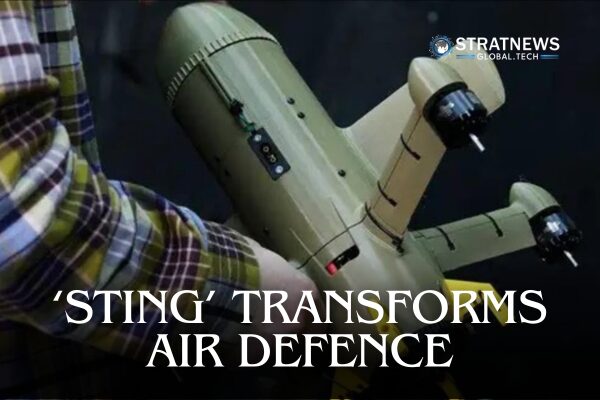
A Ukrainian developed quadcopter interceptor is rapidly transforming battlefield defence, combining speed and agility in a compact design. Built by private firm Wild Hornets, the drone has shifted from an experimental concept to a frontline solution against aerial threats.
The aircraft moves with striking precision despite its unusual appearance, drawing attention for both its design and performance. During a demonstration at an undisclosed location, engineers operated the system while monitoring a live video feed from its onboard camera.
Test pilot known by the call sign “Paskudnyk” described the experience as intense and difficult to explain. He emphasised that operating the drone requires hands on familiarity rather than simple description. Consequently, the system reflects a blend of practical engineering and combat driven innovation.
Low Cost Alternative To Traditional Air Defence
Ukraine has increasingly relied on such solutions as Russian drone attacks intensify. These attacks frequently target infrastructure and urban areas, creating urgent demand for effective and affordable countermeasures.
The interceptor drone, known as STING, offers a significantly cheaper option compared with traditional missile systems. While advanced air defence missiles cost millions, the STING unit costs around 2,000 dollars or less. In contrast, opposing drones can cost between 20,000 and 50,000 dollars.
Moreover, the drone reaches speeds of up to 280 kilometres per hour and operates within a range of approximately 37 kilometres. This allows it to intercept targets at distance before colliding with them using onboard explosives.
Pilots can also transition quickly to the system. Operators familiar with first person view drones can adapt within a few days. Therefore, Ukraine has been able to scale deployment efficiently without extensive retraining programmes.
Expanding Production And Battlefield Impact
The STING has achieved notable operational success since entering regular service in June 2025. The company reports that it has destroyed more than 3,000 incoming drones, demonstrating its effectiveness in real combat conditions.
Production has expanded rapidly to meet demand. Factories now produce over 10,000 units each month, reflecting both urgency and industrial adaptability. In addition, developers have introduced a second generation model designed to counter more advanced and faster targets.
Although details of the upgraded version remain limited, officials confirmed that it is already in use. This continuous evolution highlights Ukraine’s focus on maintaining an edge against evolving aerial threats.
International Interest And Strategic Implications
Interest in the interceptor has extended beyond Ukraine. Governments in the Middle East have reportedly explored the technology as they face increasing drone and missile attacks. These incidents have targeted infrastructure, military facilities and civilian areas across the region.
Ukraine has signalled willingness to cooperate internationally, though under strict conditions. President Volodymyr Zelenskyy stated that any assistance would require financial support and technological exchange. He also confirmed that Ukrainian specialists have been deployed abroad to support air defence efforts.
However, authorities remain cautious about exports. Ukrainian officials insist that any deals must receive government approval, particularly given ongoing domestic security needs. The developer echoed this stance, noting that the company continues to prioritise Ukraine’s defence requirements.
As warfare evolves, the rise of low cost interceptor drones marks a significant shift. These systems demonstrate how innovation and affordability can reshape defence strategies, especially in conflicts defined by persistent aerial threats.
With inputs from Reuters