


Tesla’s Path to Self-Driving Robotaxis: Challenges and Regulatory Roadblocks
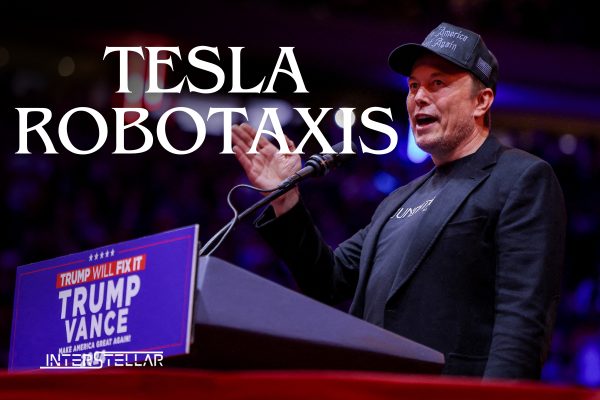
As Tesla’s electric vehicle sales level out, CEO Elon Musk is shifting focus towards self-driving robotaxis. However, this plan faces substantial technological and regulatory challenges, especially in the United States, where state-by-state laws complicate development. Musk’s alignment with President-elect Donald Trump may help ease some regulatory barriers, offering a possible advantage for Tesla in advancing its autonomous driving goals.
Navigating Complex Autonomous Vehicle Regulations
Currently, Tesla operates under a complex web of state-level laws governing autonomous vehicles. In an earnings call on October 23, Musk criticised this landscape, describing the approach of gaining approval from each state as “incredibly painful.” He voiced support for a national regulation that would unify these state-specific rules, expressing hope for a federal regulatory process. This plan could move forward with Trump’s recent appointment of Musk to a government efficiency task force.
While Musk’s influence could streamline autonomous vehicle regulation, Tesla still faces numerous hurdles. The National Highway Traffic Safety Administration (NHTSA), under the Department of Transportation, could introduce federal standards for autonomous vehicles, simplifying Tesla’s path. However, Musk will need to tackle both technological and insurance-related barriers before Tesla can operate fully autonomous robotaxis across the country.
Competition and Testing in California’s Autonomous Vehicle Market
Tesla lags behind competitors in California, a key market for autonomous vehicle testing and deployment. Since 2016, Tesla has logged only 562 miles of autonomous testing in the state, contrasting sharply with the millions of miles recorded by rivals like Alphabet’s Waymo, which also holds the state’s permit to operate fully driverless robotaxis. In California, Tesla is limited to testing autonomous vehicles with human oversight, lacking approvals for driverless testing.
Competitors such as Waymo and General Motors’ Cruise have completed extensive testing under California’s regulations, with each logging millions of miles before achieving driverless-testing permits. Waymo now operates in multiple locations, including San Francisco and Los Angeles, and can charge passengers for rides in driverless taxis. This established testing history gives Tesla’s rivals a significant head start in the autonomous vehicle market.
The Legal and Insurance Hurdles Ahead
Even if Tesla gains a more unified federal regulatory framework, it faces significant legal and insurance challenges. In less-regulated states like Texas, Tesla would still shoulder legal risks if it claims its cars are fully autonomous. Autonomous driving requires insurance policies specifically covering driverless vehicles, but existing policies for individual consumers do not apply to fully autonomous cars. Companies like Waymo currently insure driverless taxis through commercial or specialised policies.
States with less stringent autonomous driving laws, including Texas, allow relatively open access to public roads. This approach may increase legal liabilities for companies like Tesla. Without rigorous government safety standards, companies lack a solid legal defense against potential lawsuits, experts say. In more regulated states like California, approvals serve as a protective measure for autonomous vehicle companies, helping shield them from liability if crashes occur.
The Path Forward: Tesla’s Focus on National Regulations
Musk is pushing for a streamlined, federal regulatory framework that would override individual state laws. While a unified standard could reduce Tesla’s regulatory burden, the company still has extensive testing and legal groundwork ahead. Building a driverless-vehicle ecosystem that meets federal and state requirements remains a complex journey, especially as Tesla’s current Full Self-Driving system is still classified as needing driver attention.
As Tesla moves forward, Musk will need not only regulatory alignment but also further technological and operational advancements to realise his vision of a self-driving future.
With inputs from Reuters

