


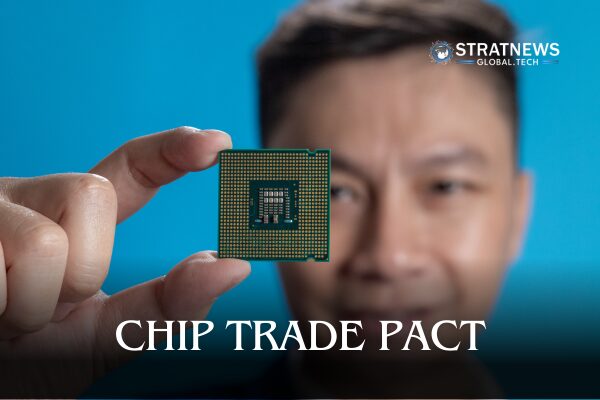
U.S. and Taiwan Finalise Trade Deal to Boost Semiconductor Cooperation
The United States and Taiwan finalised a significant trade agreement on Thursday, 16 January, aimed at strengthening cooperation in the technology sector. The deal reduces tariffs on many of Taiwan’s key semiconductor exports and directs new investments into the U.S. technology industry, a move expected to provoke a sharp response from China.
Strengthening Semiconductor Ties
Semiconductors, a cornerstone of modern technology, were first invented in the United States. Although many are still designed there, a large share of global manufacturing now takes place abroad, particularly in Taiwan. The new trade deal seeks to reinforce supply chains and reduce dependency on overseas production by encouraging more collaborative production and research efforts between the two economies.
Expanding U.S. Production Capacity
Taiwan remains one of the world’s leading producers of advanced chips, supplying components essential for consumer electronics, artificial intelligence applications, and sophisticated defence systems. To support domestic resilience, companies such as Intel and South Korea’s Samsung Electronics are expanding their U.S. manufacturing capacity. This shift reflects Washington’s broader strategy to strengthen its technological base and reduce vulnerabilities in critical supply chains.
Potential Geopolitical Repercussions
While the agreement promises economic benefits and closer industrial cooperation, it also risks heightening tensions with Beijing. China regards Taiwan as part of its territory and views any international engagement that strengthens Taipei’s global standing as a challenge to its claims. The U.S. has maintained that the deal is purely economic, intended to ensure a more secure and diversified technology supply network.
The move underlines Washington’s continued focus on semiconductor self-sufficiency and the strategic importance of Taiwan in maintaining global chip supply stability.
with inputs from Reuters

