


Close Menu
Stratnews GlobalStratnews Global
    Facebook X (Twitter) Instagram
    Trending
    • AI Chips Controversy Over China University Purchases
    • AI Tokens Take Centre Stage as China Defines ‘Ciyuan’
    • Helium Shortage Disrupts Tech Supply Chains
    • The New Energy Wars: Why Sovereignty Matters
    • Robotaxi Service Europe Debuts In Croatia With Uber
    • Reflection AI Funding Talks Push $25 Billion Valuation
    • Atlas Drone System Demonstration Reveals Advanced Swarm Tactics
    • Social Media Verdict: Meta And Google Found Liable
    • Support Us
    Stratnews GlobalStratnews Global
    Write for Us
    Friday, March 27
    • Space
    • Science
    • AI and Robotics
    • Industry News
    • Support Us
    Stratnews GlobalStratnews Global
    Home » AI Chips Controversy Over China University Purchases

    AI Chips Controversy Over China University Purchases

    Aditya LenkaBy Aditya LenkaMarch 27, 2026 AI and Robotics No Comments4 Mins Read
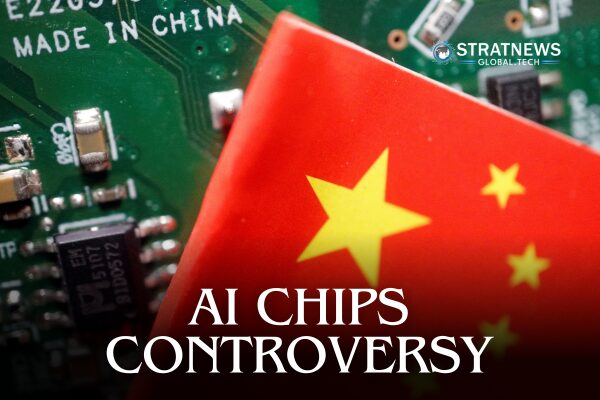
    Ai Chips Controversy

    Universities Continue Access To Restricted Technology

    Four Chinese universities, including two linked to the People’s Liberation Army, have purchased Super Micro Computer servers equipped with restricted artificial intelligence chips over the past year. Procurement data reveals these acquisitions occurred despite tightening United States export controls on advanced processors.

    However, the exact sourcing of these servers remains unclear. This uncertainty raises questions about how such systems reached institutions subject to heightened scrutiny. At the same time, the developments highlight ongoing gaps in enforcement and monitoring mechanisms.

    The United States began restricting sales of certain advanced Nvidia chips to China in 2022. These measures specifically targeted high performance processors such as the A100, which could enhance military capabilities. Therefore, any continued access to such chips is likely to draw increased attention from policymakers.

    Smuggling Allegations And Regulatory Pressure

    Super Micro Computer, headquartered in San Jose, recently came under scrutiny after three individuals associated with the company faced charges. Authorities accused them of helping smuggle at least 2.5 billion dollars worth of United States artificial intelligence technology to China.

    Although the company was not named in the indictment, it stated that it had been the victim of an elaborate scheme. Nevertheless, the case has intensified concerns around enforcement of export controls. As a result, lawmakers are now calling for stricter oversight.

    On Monday, two United States senators urged Commerce Secretary Howard Lutnick to consider pausing export licences. They specifically referenced the recent indictments while recommending tighter controls on advanced Nvidia chips and related server systems sent to China or intermediaries in Southeast Asia.

    Procurement Patterns Raise Concerns

    Public tender documents from 2025 and early this year indicate continued procurement activity. In addition to confirmed purchases, two other universities, including one with military links, attempted similar acquisitions. However, it remains unclear whether those efforts resulted in completed transactions.

    Super Micro declined to comment on these findings. Meanwhile, Nvidia stated that it continues to cooperate closely with both customers and the United States government to ensure compliance as export rules evolve. Neither China’s commerce ministry nor the United States Commerce Department responded to requests for comment.

    These developments build on earlier reports that Chinese universities had already obtained restricted chips through server systems. Consequently, the persistence of such activity is likely to increase pressure on regulators.

    A Hot Button Issue In Ai Competition

    The broader issue of artificial intelligence chip sales remains highly sensitive. Both Washington and Beijing continue to navigate a complex balance between commercial interests and national security concerns.

    The Trump administration previously approved limited sales of Nvidia’s H200 chips, which are more advanced than some restricted models. However, these approvals came with conditions that could limit volumes. At the same time, Beijing has encouraged domestic companies to reduce reliance on foreign chips in order to strengthen local manufacturing.

    Despite this, recent indications suggest Nvidia may have received approval from Chinese authorities to sell the H200. However, no confirmed transactions have emerged so far. Therefore, uncertainty continues to define the regulatory landscape.

    Critics argue that allowing such sales could accelerate Chinese research capabilities. Analysts warn that advanced artificial intelligence systems may enhance weapons design, logistics planning, autonomous systems, and surveillance operations.

    Defence Linked Institutions In Focus

    Specific procurement examples underscore these concerns. Beihang University, a key aerospace and defence research institution linked to the People’s Liberation Army, reported acquiring a machine learning workstation built on a Super Micro system. The system included four Nvidia A100 chips, according to a notice issued on March 16 this year.

    Similarly, the Harbin Institute of Technology, another defence focused university, procured a Super Micro system configured with eight Nvidia A100 chips in July. Both institutions are part of China’s “Seven Sons of National Defense” and appear on a United States export blacklist.

    Neither university responded to requests for comment. Their inclusion on the blacklist complicates licensing for United States companies seeking to supply them. Consequently, these procurements are likely to remain a focal point in ongoing geopolitical and technological tensions.

    With inputs from Reuters

    Author

    • Aditya Lenka
      Aditya Lenka

      A multi-faceted professional with a diverse range of skills and experiences. He currently works as a Producer, Digital Marketer, and Journalist for several well-known media outlets, namely StratNewsGlobal, BharatShakti, and Interstellar. With a passion for storytelling and a keen eye for detail, Aditya has covered a wide range of topics and events across India, bringing a unique perspective to his work.When he's not busy producing content, Aditya enjoys exploring new places and cuisines, having traveled extensively throughout India. He's also an avid writer and poet, often penning his thoughts and musings in his free time. And when he wants to unwind and relax, Aditya spends time with his two loyal companions, Zorro and Pablo, his beloved dogs.Aditya's dynamic personality and varied interests make him a unique individual, always eager to learn and experience new things.

      View all posts
    Featured
    Share. Facebook Twitter Pinterest LinkedIn Tumblr Email Reddit Telegram WhatsApp
    Aditya Lenka
    Aditya Lenka

      A multi-faceted professional with a diverse range of skills and experiences. He currently works as a Producer, Digital Marketer, and Journalist for several well-known media outlets, namely StratNewsGlobal, BharatShakti, and Interstellar. With a passion for storytelling and a keen eye for detail, Aditya has covered a wide range of topics and events across India, bringing a unique perspective to his work.When he's not busy producing content, Aditya enjoys exploring new places and cuisines, having traveled extensively throughout India. He's also an avid writer and poet, often penning his thoughts and musings in his free time. And when he wants to unwind and relax, Aditya spends time with his two loyal companions, Zorro and Pablo, his beloved dogs.Aditya's dynamic personality and varied interests make him a unique individual, always eager to learn and experience new things.

      Keep Reading

      AI Tokens Take Centre Stage as China Defines ‘Ciyuan’

      Helium Shortage Disrupts Tech Supply Chains

      Robotaxi Service Europe Debuts In Croatia With Uber

      Reflection AI Funding Talks Push $25 Billion Valuation

      Atlas Drone System Demonstration Reveals Advanced Swarm Tactics

      Social Media Verdict: Meta And Google Found Liable

      Add A Comment
      Leave A Reply Cancel Reply

      Anti Drone System (CUAS)
      Latest Posts

      AI Chips Controversy Over China University Purchases

      March 27, 2026

      AI Tokens Take Centre Stage as China Defines ‘Ciyuan’

      March 27, 2026

      Helium Shortage Disrupts Tech Supply Chains

      March 26, 2026

      The New Energy Wars: Why Sovereignty Matters

      March 26, 2026

      Robotaxi Service Europe Debuts In Croatia With Uber

      March 26, 2026

      Reflection AI Funding Talks Push $25 Billion Valuation

      March 26, 2026

      Atlas Drone System Demonstration Reveals Advanced Swarm Tactics

      March 26, 2026

      Social Media Verdict: Meta And Google Found Liable

      March 26, 2026

      Anthropic’s Claude Launches An OpenClaw-Like Assistant

      March 25, 2026

      China Flags Spy Risks, Warns Of Infrared And Laser Devices 

      March 25, 2026

      Subscribe to News

      Get the latest sports news from NewsSite about world, sports and politics.

      • Astronomical Events
      • Space Missions
      • Industry News
      • Science
      StratNewsGlobal Tech
      Facebook X (Twitter) Instagram LinkedIn YouTube
      © 2026 StratNews Global, A unit of BharatShakti Communications LLP
      • About Us
      • Contributors
      • Copyright
      • Contact
      • Write for Us

      Type above and press Enter to search. Press Esc to cancel.