



Artemis Ii Crew Returns To Earth After Historic Lunar Voyage
The four astronauts of Artemis II sped back towards Earth on Friday, concluding the first crewed journey around the moon in more than fifty years. Travelling aboard the gumdrop shaped Orion spacecraft, they prepared for a Pacific Ocean splashdown off Southern California.
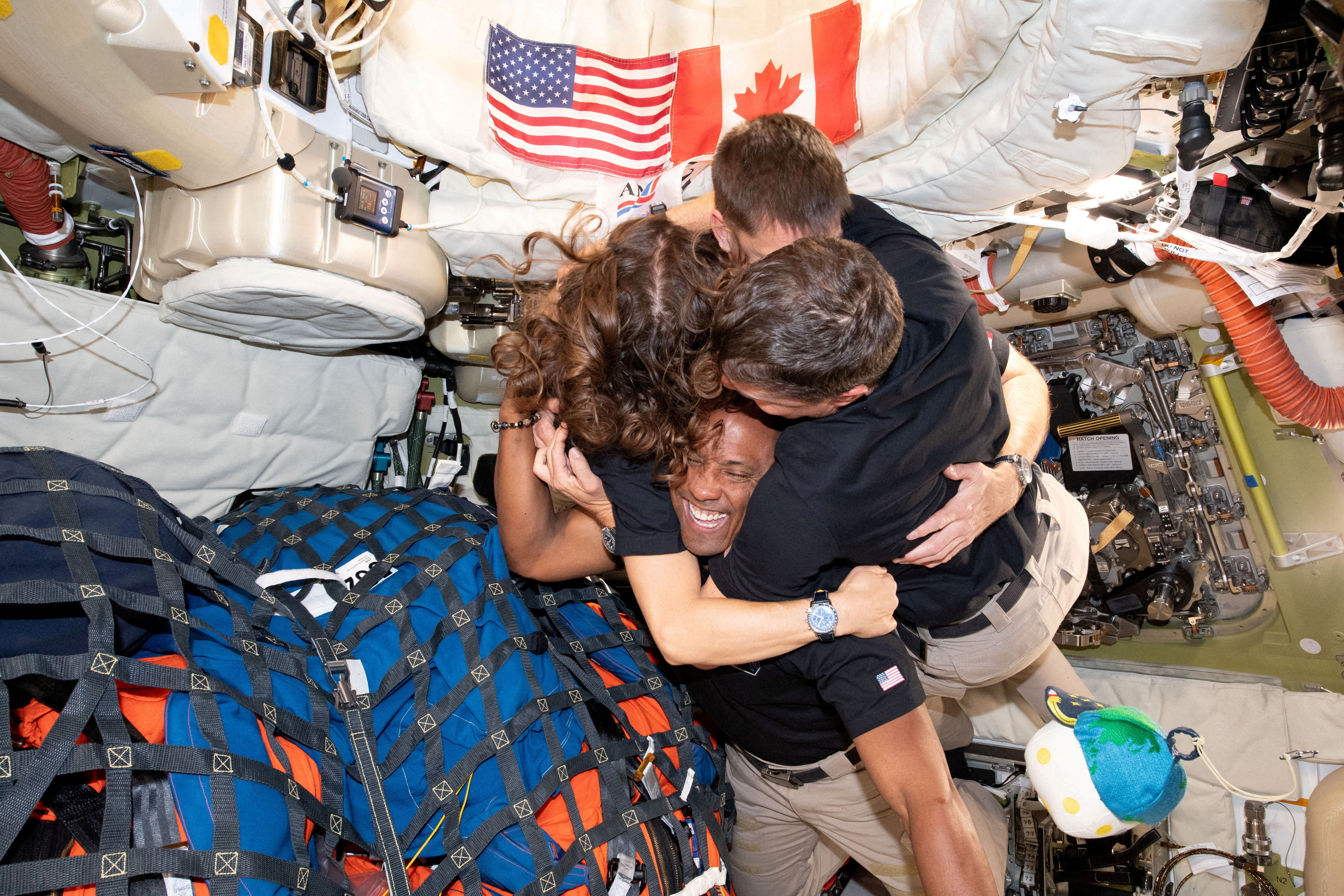
The final phase of the mission began with the separation of Orion’s crew capsule from its service module. Subsequently, the capsule entered Earth’s atmosphere in a controlled descent marked by intense heat and a brief communications blackout. After this phase, parachutes deployed to guide the spacecraft safely into the ocean.
Carefully Planned Re Entry And Splashdown
If conditions proceeded as expected, the crew would land safely shortly after 8 p.m. ET off the coast of San Diego. The astronauts remained inside the capsule, named Integrity, as it descended into the sea and stabilised on the surface.
The mission had launched on April 1 from Cape Canaveral in Florida. A powerful rocket carried the crew into orbit before sending them on a trajectory around the far side of the moon. During the journey, they travelled farther into space than any humans before them.
Moreover, the mission marked several historic milestones. It represented the first time in decades that astronauts ventured near the moon. In addition, members of the crew achieved notable firsts in terms of representation during a lunar mission.
Key Step Towards Future Exploration
The Artemis II voyage followed an earlier uncrewed test flight conducted in 2022. Therefore, this mission served as a critical rehearsal for a planned lunar landing later in the decade. That future mission aims to place astronauts on the moon for the first time since the early 1970s.
Beyond the moon, the broader objective of the Artemis programme is to support long term exploration. Scientists and engineers intend to use lunar missions as preparation for eventual human travel to Mars.
At the same time, the mission unfolded against a complex global backdrop. Nevertheless, it captured widespread public attention and reinforced confidence in scientific progress and technological achievement.
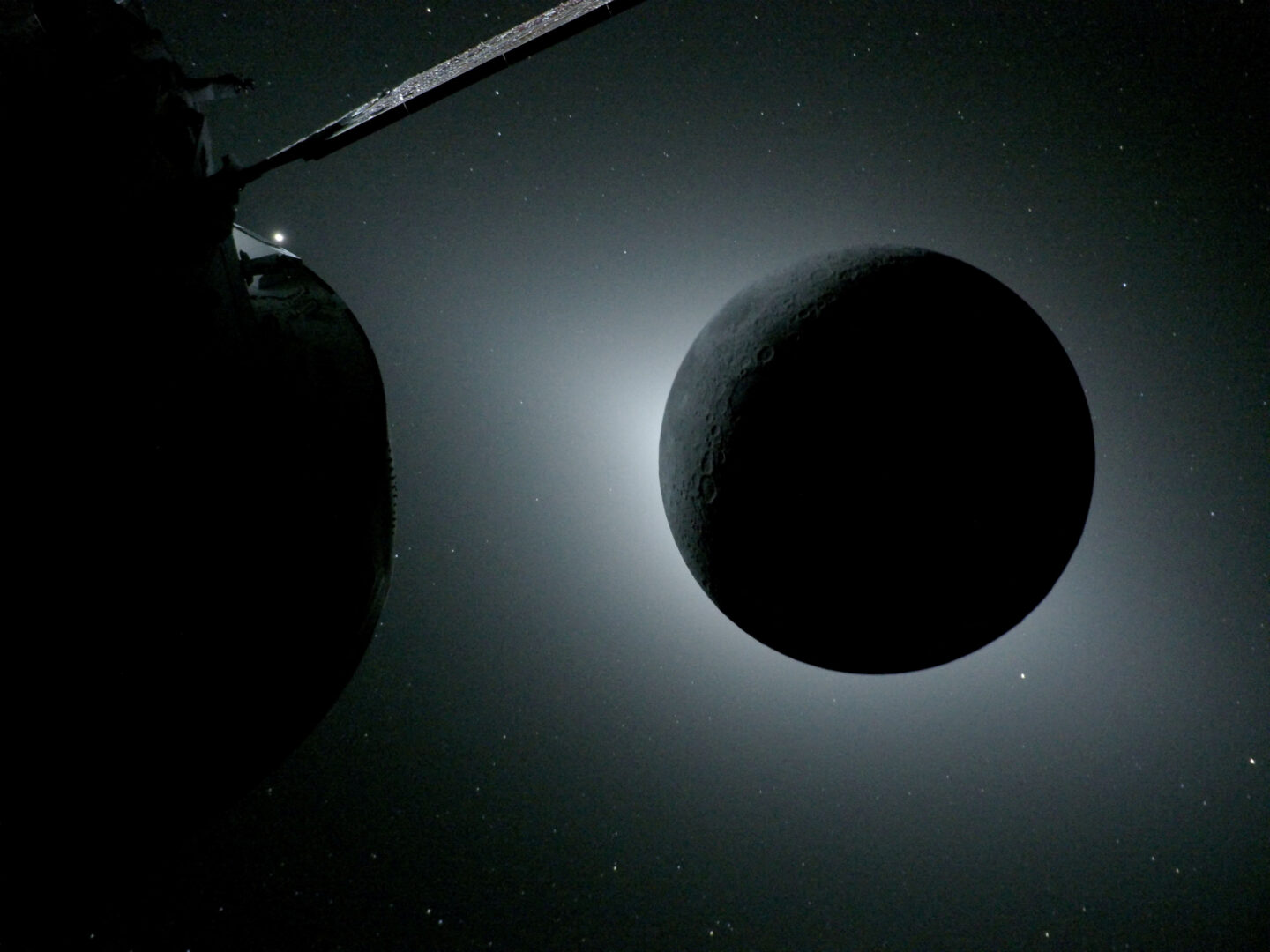
Heat Shield Test And Final Descent Challenges
The return journey placed particular emphasis on testing Orion’s heat shield. Engineers had modified the spacecraft’s descent path following issues observed during the earlier test flight. As a result, they aimed to reduce heat stress and improve overall safety.
During re entry, the capsule travelled at approximately 25,000 miles per hour. Consequently, temperatures outside the spacecraft reached nearly 5,000 degrees Fahrenheit. Despite these extreme conditions, the adjusted trajectory helped manage thermal exposure.
In addition, precise navigation remained essential. The spacecraft relied on a series of controlled thruster burns to maintain the correct angle and path. The final adjustment occurred several hours before splashdown.
Once Orion entered the upper atmosphere, the descent lasted less than fifteen minutes. After a short communications blackout, parachutes deployed in stages to slow the capsule. It then settled into the ocean, where recovery teams moved swiftly to secure it and assist the astronauts.
At the mission’s peak, the crew reached a distance of 252,756 miles from Earth. This surpassed the previous record set in 1970, highlighting the mission’s significance in human space exploration.
With inputs from Reuters

