


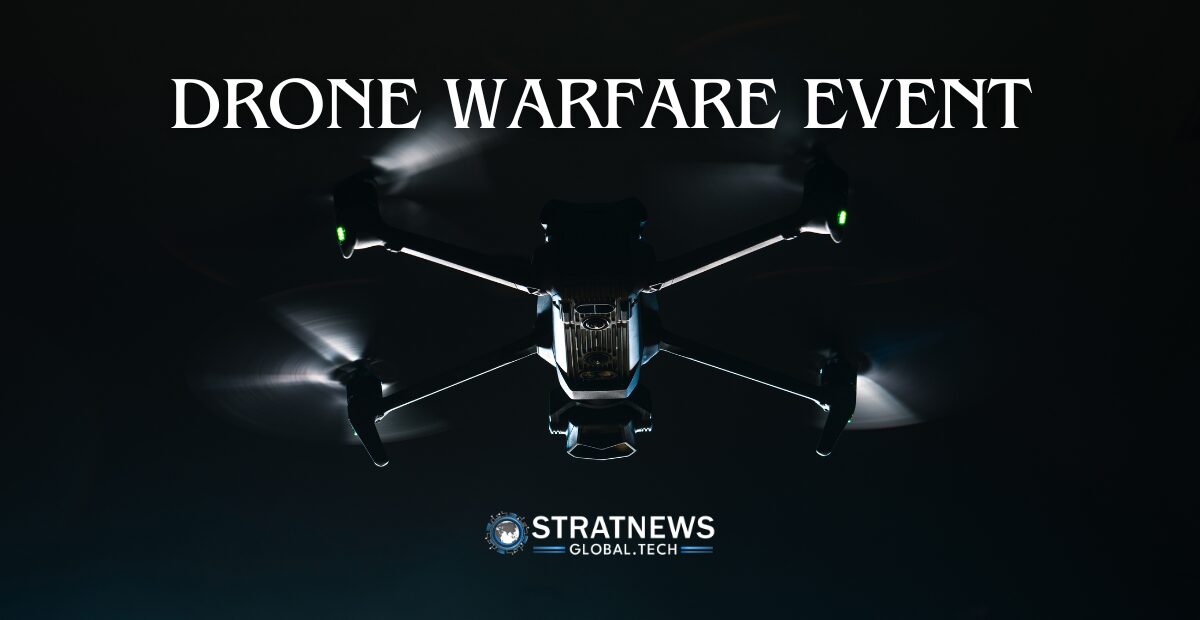
Ukraine Drone Competition Highlights Frontline Innovation
In a field outside western Ukraine’s spa town of Truskavets, military drone pilots gathered this week for a competition that reflected how rapidly drone warfare has reshaped the conflict with Russia. During one event, a bullet-shaped P1-SUN interceptor drone sliced through a tow line attached to a balloon target, drawing cheers from watching soldiers.
Although the participants usually operate against Russian forces on the battlefield, the pilots competed this time against one another. The event, called “Wild Drones”, brought together teams from 19 Ukrainian military units and drone manufacturers.
Drone Warfare Reshapes The Battlefield
Drone technology has transformed combat during the war in Ukraine. Soldiers now operate strike drones packed with explosives from positions that can be located far behind the front line. Many operators use controls similar to video game consoles, while enemy troops reportedly regard the attacks with deep fear.
The competition provided an opportunity for drone crews to exchange knowledge and examine new technology from manufacturers. “Grey”, the sergeant major of the Black Raven drone battalion of the 93rd Mechanized Brigade, said the event allowed soldiers to learn from one another and explore newly available equipment. He requested identification only through his military call sign.
Ukraine Expands Drone Incentive System
Ukraine has increasingly promoted what officials describe as the “gamification” of warfare. Last year, the country introduced a points-based system that rewards verified drone kills. Military units can use accumulated points to purchase equipment through the DOT-Chain and Brave1 Market online platforms.
One soldier from the first battalion of the 22nd Separate Mechanized Brigade compared the system to choosing between different cars, noting that each drone performs different functions.
Officials say the programme encourages competition among drone units while helping direct resources towards the most effective operators. Unlike Russia’s reported cash bonus system for destroying military equipment, Ukraine’s model also rewards strikes on human targets.
According to Ukrainian officials, Defence Minister Mykhailo Fedorov aims to inflict 50,000 Russian deaths or serious injuries each month. Ukraine estimates the current figure at around 35,000 monthly casualties, although Moscow rejects those claims.
Frontline Demands Drive Rapid Innovation
The “Wild Drones” event also offered many participants a temporary break from frontline operations. Some soldiers have remained deployed continuously since Russia’s full-scale invasion in 2022. The atmosphere included barbecues, networking gatherings and family visits alongside the competition itself.
Several officers explained that drone units work closely with manufacturers to improve systems constantly. “Dym”, commander of the roughly 400-member Black Raven unit, said drone designs evolve rapidly and can change significantly within months.
At the same time, the expanding range of drones continues to widen the battlefield’s “Kill Zone”, currently extending roughly 15 kilometres on either side of the front line. Soldiers and vehicles inside that area remain vulnerable to rapid drone attacks.
Participants also highlighted the growing logistical role of drones. Heavy bomber drones such as the Vampire, produced by Ukrainian defence technology company Skyfall, are increasingly transporting food, water and medical supplies into dangerous combat areas. Operators hope this reduces the number of personnel exposed to frontline risks.
The winners of each competition category received three Vampire drones along with batteries and support systems. A Skyfall spokesman using the call sign “Ares” said the company could manufacture more than 10,000 drones daily and continued to receive constant feedback from combat units.
He added that military demand increasingly focuses on automation, allowing fewer operators to manage larger numbers of drones.
With inputs from Reuters