


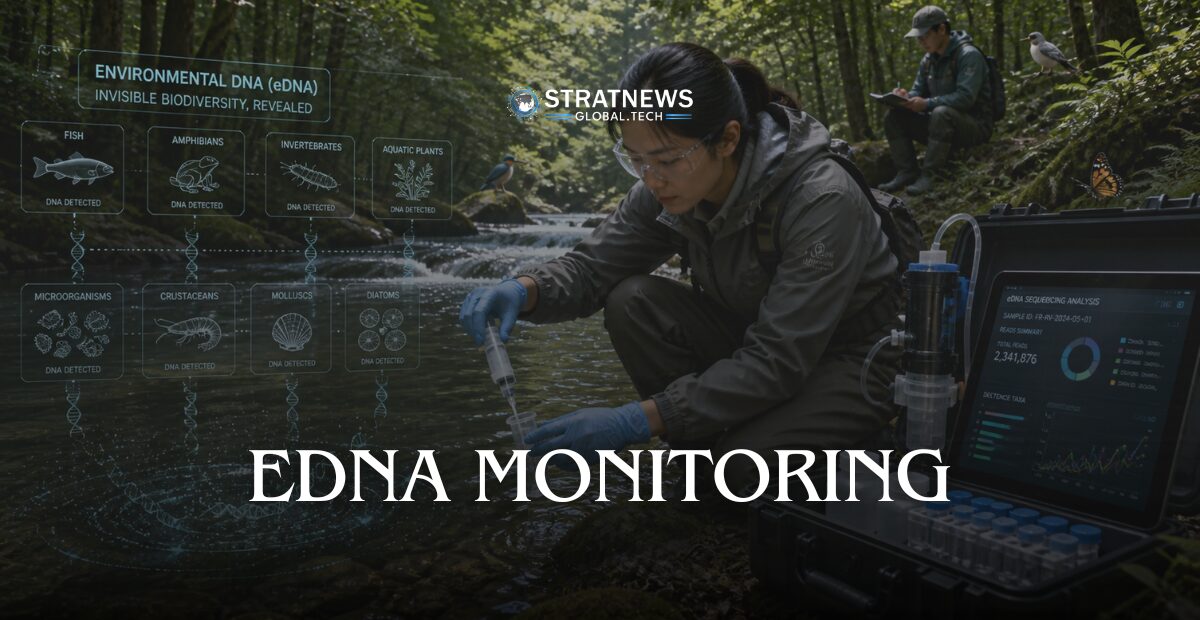
Biodiversity Monitoring Advances In Anhui Using eDNA Technology
Zhang Wei, a member of the China Zhi Gong Party and a professor at Peking University, is leading a scientific effort to monitor biodiversity in eastern China. Her team focuses on Chaohu Lake and the main and branch tributaries of the Wanjiang River in Anhui Province. By applying environmental DNA technology, the researchers can detect minute biological traces in water with high precision.
eDNA Technology Enhances Detection Accuracy
Environmental DNA, or eDNA, allows scientists to identify species through genetic material found in water samples. This method improves detection capabilities significantly, especially for species that remain difficult to observe directly. As a result, the team can identify aquatic life forms and detect invasive species that might otherwise go unnoticed.
Moreover, this approach reduces the need for traditional observation methods, which often require extensive time and labour. Consequently, eDNA provides a more efficient and scalable solution for biodiversity monitoring. The ability to capture detailed ecological data supports more informed conservation strategies across the region.
Yangtze River Protection Initiative
Since 2021, the China Zhi Gong Party has partnered with Anhui Province to implement an eco-environmental protection project focused on the Yangtze River. This initiative aims to strengthen ecological preservation while improving water quality and biodiversity monitoring systems.
Furthermore, the project integrates scientific research with policy objectives, ensuring that environmental protection efforts remain data-driven. By leveraging advanced technologies such as eDNA, the programme enhances its ability to track ecological changes over time. This coordinated effort reflects a broader commitment to sustainable environmental management in the Yangtze River basin.
Role Of CNS In News Distribution
This video news content is provided by CNS, also known as China News Service, a major news agency with a global reporting network. The organisation delivers continuous news coverage, reaching audiences in regions including Taiwan, Hong Kong, and Macao, as well as international media outlets.
Additionally, CNS employs a modern news distribution system that ensures timely dissemination of information. The agency offers licensing options for its content and provides contact channels for further inquiries. However, the content remains under CNS copyright, and its accuracy and viewpoints are not independently verified by Thomson Reuters.
With inputs from Reuters