


India Launches Mass-Market Flex-Fuel Motorcycles To Boost Energy Security And Farmer Income
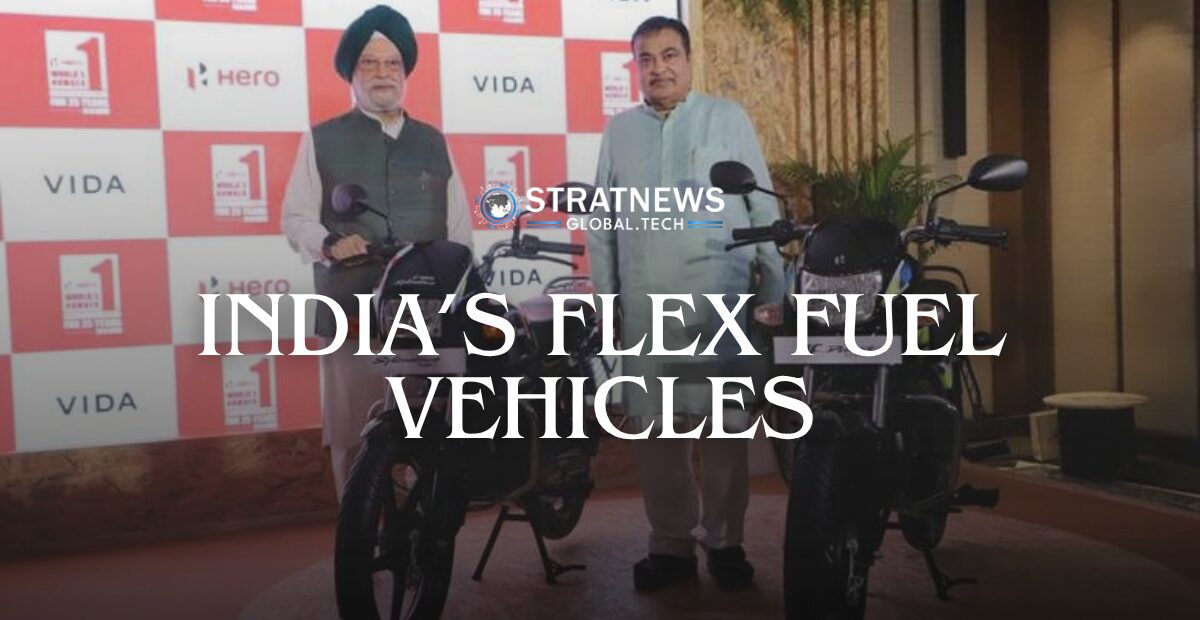
India has taken a major step towards expanding alternative fuel mobility with the launch of the country’s first mass-market flex-fuel motorcycles. Speaking at the unveiling of Hero MotoCorp’s new flex-fuel versions of the Splendor+ and HF Deluxe in New Delhi, Union Petroleum and Natural Gas Minister Hardeep Singh Puri said the initiative will help reduce crude oil imports, strengthen rural incomes and accelerate the transition towards low-carbon transportation.
Union Road Transport and Highways Minister Nitin Gadkari also attended the event, which marked the introduction of motorcycles capable of operating on ethanol blends ranging from E20 to E85.
India Enters The Flex-Fuel Mobility Era
Describing the launch as a new chapter in India’s energy journey, Puri said the new motorcycles represent the country’s entry into mass-market flex-fuel mobility.
With an active fleet of more than 300 million two-wheelers, India has one of the largest motorcycle and scooter markets in the world. The government believes flex-fuel technology can transform mobility at scale while reducing dependence on imported fossil fuels.
The newly launched motorcycles are equipped with modified internal combustion engines and upgraded fuel systems that can operate on varying blends of petrol and ethanol, from E20 to E85.
Ethanol Blending Delivers Significant Results
Puri highlighted the success of India’s ethanol blending programme, noting that blending levels have increased from just 1.5% in 2014 to 20% today.
According to government estimates, the programme has generated substantial economic and environmental benefits since the 2014-15 ethanol supply year. These include:
- ₹1.84 lakh crore in foreign exchange savings
- Substitution of 302 lakh metric tonnes of crude oil
- Reduction of 909 lakh metric tonnes of carbon dioxide emissions
- Additional farmer earnings of ₹1.58 lakh crore
The minister said these gains have transformed India’s farmers from “Annadatas” (food providers) into “Urjadatas” (energy providers) by creating a new revenue stream through ethanol production.
Reducing Oil Dependence
India currently imports approximately 88.5% of its crude oil requirements, making the economy vulnerable to geopolitical disruptions and energy price volatility.
Puri argued that expanding flex-fuel vehicle adoption would improve energy security by increasing the use of domestically produced biofuels.
He said that even if flex-fuel motorcycles account for just 1% of annual petrol vehicle sales during the 2026-27 ethanol supply year, the impact would be significant. Such adoption could generate demand for four crore litres of ethanol, save ₹195 crore in foreign exchange and reduce crude oil imports by approximately 0.28 lakh metric tonnes.
In addition, nearly ₹160 crore would flow directly to farmers through increased demand for ethanol feedstock.
Advantages Over Conventional Alternatives
The minister outlined several advantages of E85-compatible vehicles compared with other low-emission transport options.
According to Puri, flex-fuel vehicles offer:
- Lower manufacturing costs
- Minimal infrastructure investment requirements
- Faster deployment compared with large-scale electric vehicle charging networks
- Reduced dependence on imported battery components
- Lower overall carbon footprint through the use of domestically produced biofuels
He emphasised that flex-fuel vehicles support the government’s vision of an energy ecosystem that combines electric mobility, biofuels, hydrogen and renewable energy technologies suited to India’s specific needs.
Consumer Savings And Policy Support
Puri also stressed the importance of making flex-fuel technology economically attractive for consumers.
Studies suggest that if E85 fuel is priced lower than E20 fuel, motorists could recover the additional vehicle cost within approximately three years through lower fuel expenses. The government is currently examining supportive policy measures, including pricing mechanisms and incentives, to accelerate adoption.
Addressing concerns about ethanol-blended fuels, the minister noted that India’s E20 rollout followed extensive testing by industry bodies and vehicle manufacturers. He added that countries such as Brazil have successfully demonstrated the long-term viability and reliability of higher ethanol blends.
Hero MotoCorp Takes The Lead
Puri congratulated Hero MotoCorp for pioneering the introduction of mass-market flex-fuel motorcycles in India.
The launch positions the company at the forefront of an emerging mobility segment that policymakers believe can simultaneously strengthen energy security, support rural livelihoods and reduce emissions.
As India continues to diversify its transportation energy mix, flex-fuel vehicles are expected to play an increasingly important role alongside electric vehicles, hydrogen technologies and renewable fuels.
With inputs from PIB