


SpaceX Gains From Weak Yen While China’s Tech Investment Rebounds
The latest developments across Asia’s technology sector highlight shifting dynamics in global competition, from changing economics in the space industry to renewed investor confidence in China’s technology market.
A recent conversation about purchasing a new robot vacuum also illustrates how technology products are increasingly becoming part of broader national security debates. While these devices have long been common household appliances with falling prices and growing competition, regulatory changes in the United States could reshape the market.
The US Federal Communications Commission introduced restrictions in July on imports of new foreign-produced humanoid robots on national security grounds. The move is widely viewed as targeting products manufactured in China.
The restrictions also apply to robot vacuum cleaners because they use sophisticated technologies such as Light Detection and Ranging (LiDAR), along with tactile, acoustic and thermal sensors capable of collecting detailed information about their surroundings.
Since most robot vacuum cleaners available today are manufactured in China, the new rules could reduce consumer choice and increase prices in the United States.
The debate mirrors wider discussions surrounding Chinese open-weight artificial intelligence models. Critics of potential restrictions argue that limiting access to such technologies would reduce competition, strengthen dominant market players and increase costs for businesses.
Weak Yen Boosts Japanese Space Launch Providers
SpaceX remains the dominant force in the global commercial launch industry. However, the depreciation of the Japanese yen has created a financial advantage for Japanese launch providers.
Japanese lunar exploration company ispace announced that it has selected Mitsubishi Heavy Industries’ H3 rocket for a planned lunar landing mission in 2028. The company previously relied on SpaceX’s Falcon 9 rocket for missions launched in 2022 and 2025.
According to Chief Executive Takeshi Hakamada, both launch costs and foreign exchange rates influenced the decision. Because SpaceX services are priced in US dollars, the weaker yen has made domestic launch options more attractive.
Ispace intends to conduct approximately three lunar transport missions each year. Under its current plans, the H3 rocket is expected to carry one or two of those annual missions.
Chinese Venture Capital Regains Momentum
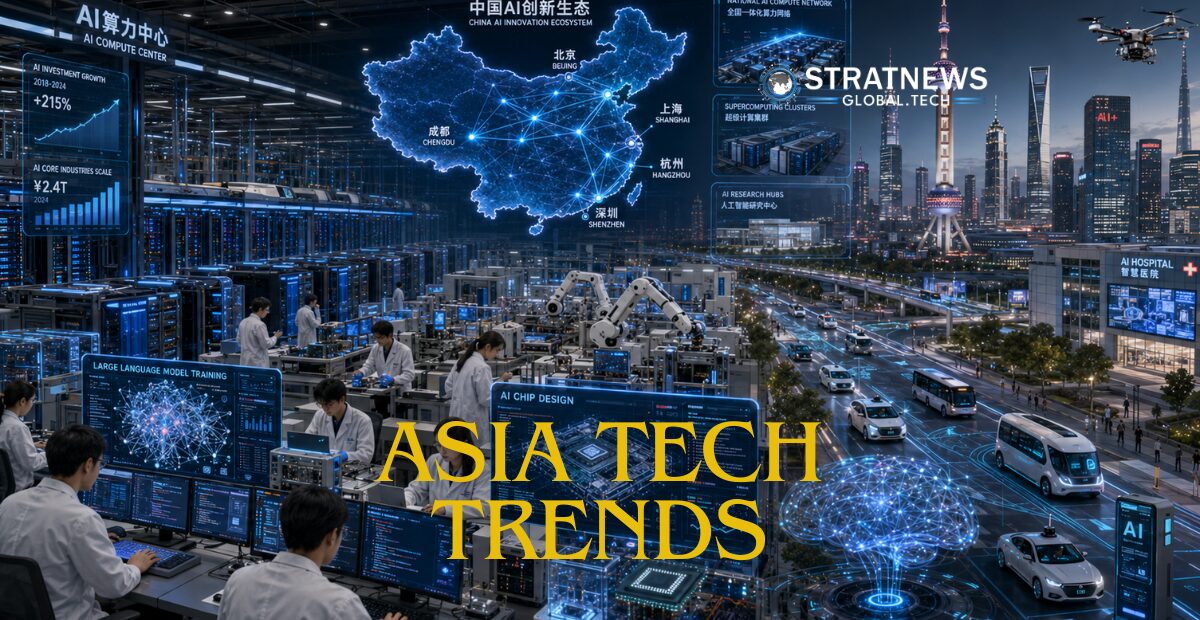
Meanwhile, China’s venture capital industry is showing signs of recovery as investors return to the country’s rapidly evolving artificial intelligence and technology sectors.
Several prominent investment firms, including HSG, IDG Capital, Matrix Partners China and Future Capital, are preparing new fundraising efforts or actively marketing fresh investment funds. In addition, ZhenFund and Qiming have recently completed fundraising rounds.
According to data from private placement and advisory firm Asante Capital, Chinese venture capital firms are collectively seeking to raise an estimated $35 billion through at least 60 new US dollar-denominated funds. Around 40 of these are expected to be dedicated venture capital funds.
The renewed fundraising activity follows a series of successful listings by Chinese technology companies and advances made by artificial intelligence firms such as Moonshot AI and DeepSeek.
Although investor confidence is improving, industry observers suggest that the recovery remains measured rather than widespread. Instead of signalling a full-scale revival, the latest fundraising activity reflects a selective reopening of US dollar investment into Chinese venture capital after several years of historically low levels.
With inputs from Reuters