


Close Menu
Stratnews GlobalStratnews Global
    Facebook X (Twitter) Instagram
    Trending
    • Elon Musk and Ryanair Clash over Cost of Starlink In-Flight WiFi
    • Taiwan Eyes Greater Chip Investment in Arizona to Deepen U.S. Ties
    • Microsoft Restores 365 Services After North America Outage
    • TikTok Creates U.S. Joint Venture to Secure Data and Avoid Ban
    • Self-Eating Spacecraft Promises Affordable Deep Space Access
    • Elon Musk Challenges U.S. Solar Tariffs and Sets Bold Tesla Goals at Davos
    • Blue Origin Unveils TeraWave, a 5,400-Satellite Network for Global Data Connectivity
    • Apple Moves to Block CCI from Accessing Global Financial Records
    Stratnews GlobalStratnews Global
    Write for Us
    Friday, January 23
    • Space
    • Science
    • AI and Robotics
    • Industry News
    Stratnews GlobalStratnews Global
    Home » New Zealand to Tighten Control Over Space Infrastructure to Deter Foreign Threats

    New Zealand to Tighten Control Over Space Infrastructure to Deter Foreign Threats

    Kanika SharmaBy Kanika SharmaApril 28, 2025Updated:April 28, 2025 Space No Comments2 Mins Read
    New Zealand

    New Zealand to Regulate Ground-Based Space Infrastructure by July

    New Zealand will introduce legislation in July to regulate operators of ground-based space infrastructure, Space Minister Judith Collins announced. The move aims to prevent foreign interference and strengthen the country’s national security.
    New Zealand
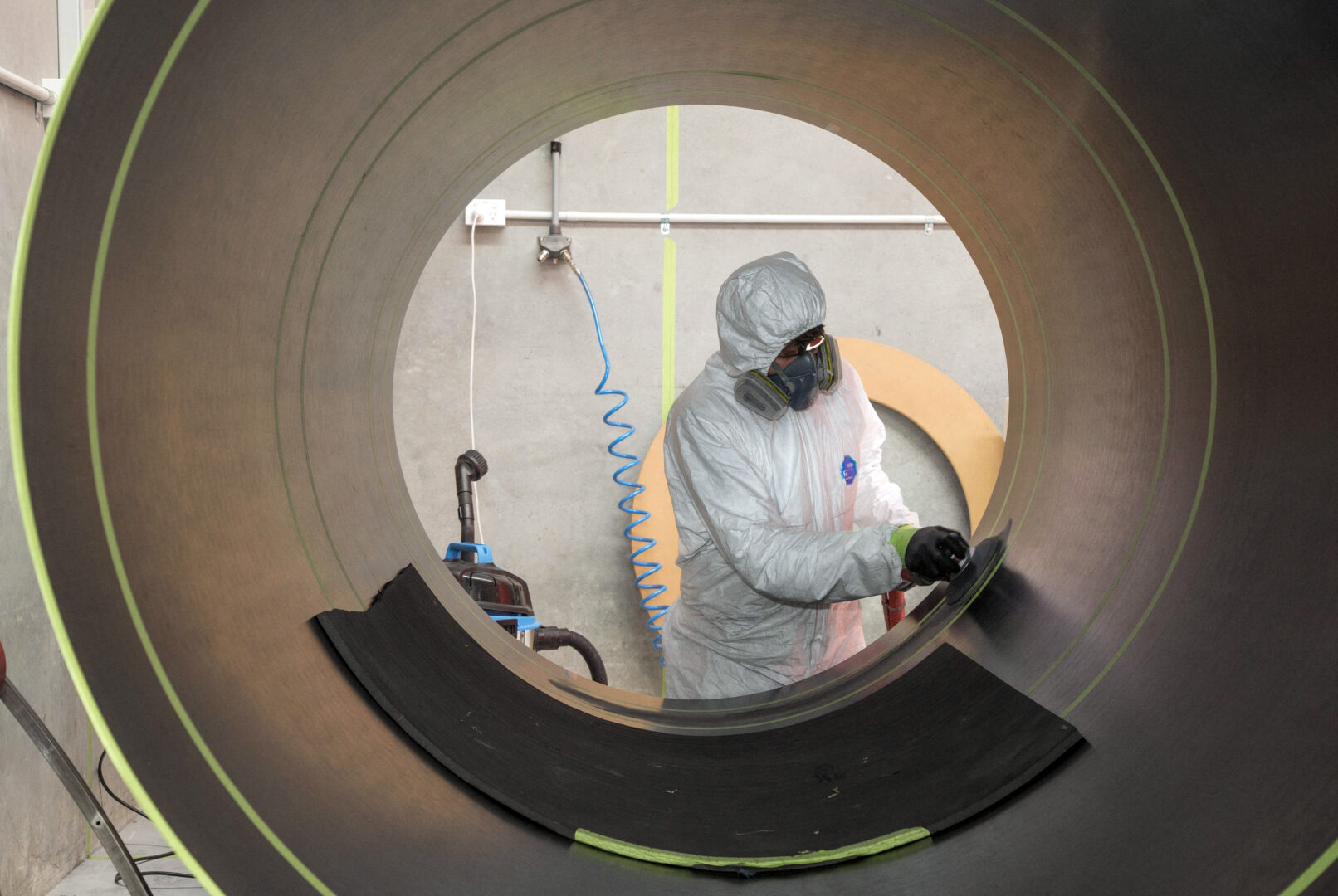
    FILE PHOTO: A Rocket Lab technician cleans a fuselage in Auckland, New Zealand, October 20, 2015. The next revolution in space, making humdrum what was long the special preserve of tax-funded giants like NASA, will be launching next year from a paddock in New Zealand’s remote South Island. Picture taken October 20, 2015. REUTERS/Nigel Marple/File Photo

    Concerns Over Foreign Interference

    The upcoming regulations follow warnings from New Zealand’s intelligence services. In September, they raised alarms about foreign attempts to establish space infrastructure that could support military activities against New Zealand’s interests. Although no specific country was named, the report highlighted China as a significant but not the only concern.

    New Zealand, as a member of the “Five Eyes” intelligence alliance alongside the US, Australia, Canada and Britain, is tightening security measures. Collins noted that the legislation would protect activities such as spacecraft tracking, control, surveillance, and data transfer operations.

    Strategic Location for Space Activities

    New Zealand’s geographic advantages make it attractive for space operations. Its clear skies and remote position have already drawn organisations like the European Space Agency to establish monitoring stations there. However, these advantages also pose security risks if left unregulated.

    Collins emphasised that the new rules will require operators to implement protective security measures and thorough due diligence systems. Every operator will need to register and comply with detailed security requirements under the new regime.

    Clear Message on National Security

    By implementing these regulations, New Zealand aims to send a strong message about its commitment to national security. “The introduction of this new regime will serve as a deterrent. It sends a very clear message that we take our national security seriously, and we will act if we suspect that it is under threat,” said Collins.

    The regulations mark a significant step in securing the country’s expanding role in global space activities, ensuring that New Zealand remains a trusted location for international partnerships.

    with inputs from Reuters

    Author

    • Kanika Sharma
      Kanika Sharma

      View all posts
    Featured
    Share. Facebook Twitter Pinterest LinkedIn Tumblr Email Reddit Telegram WhatsApp
    Kanika Sharma
    Kanika Sharma

      Keep Reading

      Elon Musk and Ryanair Clash over Cost of Starlink In-Flight WiFi

      Taiwan Eyes Greater Chip Investment in Arizona to Deepen U.S. Ties

      Microsoft Restores 365 Services After North America Outage

      TikTok Creates U.S. Joint Venture to Secure Data and Avoid Ban

      Self-Eating Spacecraft Promises Affordable Deep Space Access

      Elon Musk Challenges U.S. Solar Tariffs and Sets Bold Tesla Goals at Davos

      Add A Comment
      Leave A Reply Cancel Reply

      Anti Drone System (CUAS)
      Latest Posts

      Elon Musk and Ryanair Clash over Cost of Starlink In-Flight WiFi

      January 23, 2026

      Taiwan Eyes Greater Chip Investment in Arizona to Deepen U.S. Ties

      January 23, 2026

      Microsoft Restores 365 Services After North America Outage

      January 23, 2026

      TikTok Creates U.S. Joint Venture to Secure Data and Avoid Ban

      January 23, 2026

      Self-Eating Spacecraft Promises Affordable Deep Space Access

      January 23, 2026

      Elon Musk Challenges U.S. Solar Tariffs and Sets Bold Tesla Goals at Davos

      January 23, 2026

      Blue Origin Unveils TeraWave, a 5,400-Satellite Network for Global Data Connectivity

      January 22, 2026

      Apple Moves to Block CCI from Accessing Global Financial Records

      January 22, 2026

      Districts To Decide The Future Of India’s Exports

      January 22, 2026

      House Panel Approves AI Chip Export Bill Despite White House Opposition

      January 22, 2026

      Subscribe to News

      Get the latest sports news from NewsSite about world, sports and politics.

      • Astronomical Events
      • Space Missions
      • Industry News
      • Science
      StratNewsGlobal Tech
      Facebook X (Twitter) Instagram LinkedIn YouTube
      © 2026 StratNews Global, A unit of BharatShakti Communications LLP
      • About Us
      • Contributors
      • Copyright
      • Contact
      • Write for Us

      Type above and press Enter to search. Press Esc to cancel.