

Close Menu
Stratnews GlobalStratnews Global
    Facebook X (Twitter) Instagram
    Trending
    • Airbus Restores A320 Operations After Fixing Solar Flare Software Bug
    • South Korea Probes Coupang Data Breach Affecting 33 Million Users
    • India Orders Mandatory Cyber Security App on All New Smartphones
    • China Sets Up New Department to Regulate Commercial Space Industry
    • 2026: A Landmark Year for India’s Aditya-L1 Sun Mission
    • Scientists Record Lightning on Mars for the First Time
    • Space Is the New Flex: Why the U.S. Just Rewrote the Rules of War
    • EU’s Draft Space Act Draws India’s Attention Ahead of 2026 India–EU Summit
    Stratnews GlobalStratnews Global
    Write for Us
    Tuesday, December 2
    • Space
    • Science
    • AI and Robotics
    • Industry News
    Stratnews GlobalStratnews Global
    Home » China’s Humanoid Robots Aimed at Supporting, Not Replacing, Human Workers

    China’s Humanoid Robots Aimed at Supporting, Not Replacing, Human Workers

    StratNewsGlobal Tech TeamBy StratNewsGlobal Tech TeamMay 17, 2025 AI and Robotics No Comments2 Mins Read
    China's Humanoid Robots

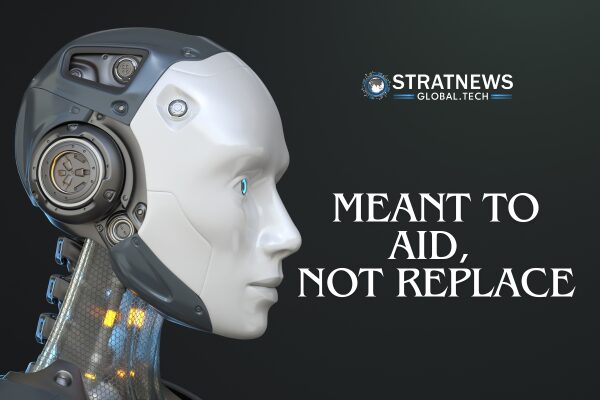
    China’s Humanoid Robots Meant to Aid, Not Replace, Human Workers

    China’s Humanoid robots are not intended to replace human jobs, according to a senior official at a major tech hub in Beijing. Liang Liang, a deputy director at the Beijing Economic-Technological Development Area, made this clear during an interview with foreign media on Friday.

    He emphasised that the growing robotics sector, despite state support and rapid expansion, will focus on improving productivity. According to Liang, robots are best suited for tasks that are dangerous or too demanding for humans.

    “We don’t believe robots will cause unemployment,” he said. “Instead, they’ll take on jobs people prefer to avoid, such as deep-sea exploration or space missions. These are areas where humans struggle to go.”

    Round-the-Clock Machines and Safer Work Environments

    Liang noted that machines could work at night while humans rest. This would increase output and lower production costs. The aim is to make products more affordable and user-friendly, he explained.

    He added that the goal is not to have machines outpace humans, but to let both work in their own spheres. This vision was recently showcased during the world’s first robot half-marathon, held in Beijing.

    The event featured two separate tracks—one for humans and one for robots. Liang said the design was symbolic. “Humans push their limits on one track, while robots challenge theirs on another. It’s not about replacing each other,” he said.

    Innovation Centre Demonstrates Versatile Robot Functions

    Liang spoke at the headquarters of X-Humanoid, also known as the Beijing Humanoid Robotics Innovation Centre. The centre’s robot, Tiangong Ultra, won the robot half-marathon. It can reach speeds of up to 12 kph (7.56 mph) and is designed for sports-related applications.

    Other prototypes displayed at the centre are built for practical tasks. These robots are able to adapt when objects are moved or obstructed. In one test, a robot repeatedly adjusted its task when a piece of litter was moved or taken from its hand. This shows their ability to learn and adjust, which is key for real-world work.

    Liang concluded that such innovations will help humans rather than compete with them. Robots will likely handle repetitive or risky jobs, freeing people to focus on more creative and meaningful tasks.

    with inputs from Reuters

    Author

    • StratNewsGlobal Tech Team
      StratNewsGlobal Tech Team

      View all posts
    Featured
    Share. Facebook Twitter Pinterest LinkedIn Tumblr Email Reddit Telegram WhatsApp
    StratNewsGlobal Tech Team
    • Website

    Keep Reading

    Airbus Restores A320 Operations After Fixing Solar Flare Software Bug

    South Korea Probes Coupang Data Breach Affecting 33 Million Users

    India Orders Mandatory Cyber Security App on All New Smartphones

    China Sets Up New Department to Regulate Commercial Space Industry

    2026: A Landmark Year for India’s Aditya-L1 Sun Mission

    Scientists Record Lightning on Mars for the First Time

    Add A Comment
    Leave A Reply Cancel Reply

    Anti Drone System (CUAS)
    Latest Posts

    Airbus Restores A320 Operations After Fixing Solar Flare Software Bug

    December 1, 2025

    South Korea Probes Coupang Data Breach Affecting 33 Million Users

    December 1, 2025

    India Orders Mandatory Cyber Security App on All New Smartphones

    December 1, 2025

    China Sets Up New Department to Regulate Commercial Space Industry

    December 1, 2025

    2026: A Landmark Year for India’s Aditya-L1 Sun Mission

    December 1, 2025

    Scientists Record Lightning on Mars for the First Time

    December 1, 2025

    Space Is the New Flex: Why the U.S. Just Rewrote the Rules of War

    November 30, 2025

    EU’s Draft Space Act Draws India’s Attention Ahead of 2026 India–EU Summit

    November 29, 2025

    Scientists Find Deep-Earth Clues to Planet’s Origins and Early Life

    November 29, 2025

    Two Anduril Drones Crash During U.S. Air Force Tests Amid Expansion Push

    November 28, 2025

    Subscribe to News

    Get the latest sports news from NewsSite about world, sports and politics.

    • Astronomical Events
    • Space Missions
    • Industry News
    • Science
    StratNewsGlobal Tech
    Facebook X (Twitter) Instagram LinkedIn YouTube
    © 2025 StratNews Global, A unit of BharatShakti Communications LLP
    • About Us
    • Contributors
    • Copyright
    • Contact
    • Write for Us

    Type above and press Enter to search. Press Esc to cancel.