


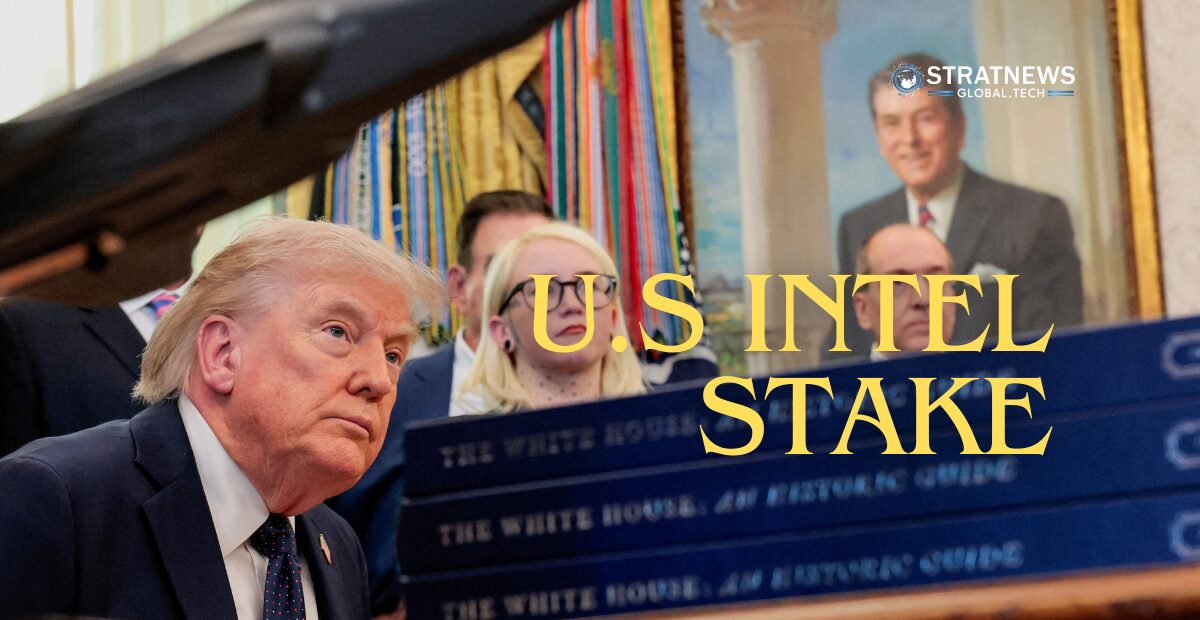
Trump Says U.S. Should Have Taken Bigger Intel Stake
U.S. President Donald Trump said he believes the U.S. government should have secured a larger stake in Intel after the administration’s investment in the chipmaker surged in value.
In an interview with Fortune magazine published on Monday, Trump said he “should have asked for more” when the administration acquired a 10 per cent stake in Intel and committed around 10 billion U.S. dollars to support factory construction and expansion in the United States.
Eight months after the agreement, the government’s holding in Intel has reportedly increased in value to more than 50 billion U.S. dollars.
“Do I get credit for it? Does anybody even know I did that?” Trump told Fortune during the interview.
Trump Highlights Intel Investment Gains
The administration’s investment formed part of broader efforts to strengthen domestic semiconductor manufacturing and reduce reliance on overseas chip production.
When asked about a possible exit strategy, Trump said he believed the government could gradually sell its shares over time without sharply affecting Intel’s stock price.
He also argued that Intel should have maintained a dominant global position in the semiconductor industry.
“Intel should be the biggest company in the world right now,” Trump said.
Trump referred to the market dominance of Taiwan Semiconductor Manufacturing Company (TSMC) and suggested Intel could have captured much of that business under different trade policies.
Tariffs And Semiconductor Competition
Trump said stronger tariffs on imported chips could have protected Intel from losing ground to foreign competitors.
“If I had been president when all these companies started sending their chips in from China, I would have put a tariff on that would have protected Intel,” he said.
The comments reflect Trump’s continued support for tariff-based trade policies aimed at boosting domestic manufacturing and strategic industries.
Beijing Visit Ends Without Major Breakthroughs
Fortune reported that Trump gave the interview before his first visit to Beijing since 2017. The trip concluded on Friday without major progress on trade issues.
The report also said the visit produced no tangible assistance from Beijing in efforts to end the more than two-month-old U.S.-Israeli war involving Iran.
Despite the lack of major diplomatic breakthroughs, Trump continued to emphasise economic nationalism and domestic industrial investment during the interview.
The administration’s backing of Intel remains one of the largest government-supported investments in the U.S. semiconductor sector. The move aimed to expand manufacturing capacity and strengthen the country’s position in the global chip industry amid rising international competition.
With inputs from Reuters

