

Close Menu
Stratnews GlobalStratnews Global
    Facebook X (Twitter) Instagram
    Trending
    • Taiwan Eyes Greater Chip Investment in Arizona to Deepen U.S. Ties
    • Microsoft Restores 365 Services After North America Outage
    • TikTok Creates U.S. Joint Venture to Secure Data and Avoid Ban
    • Self-Eating Spacecraft Promises Affordable Deep Space Access
    • Elon Musk Challenges U.S. Solar Tariffs and Sets Bold Tesla Goals at Davos
    • Blue Origin Unveils TeraWave, a 5,400-Satellite Network for Global Data Connectivity
    • Apple Moves to Block CCI from Accessing Global Financial Records
    • Districts To Decide The Future Of India’s Exports
    Stratnews GlobalStratnews Global
    Write for Us
    Friday, January 23
    • Space
    • Science
    • AI and Robotics
    • Industry News
    Stratnews GlobalStratnews Global
    Home » Scientists Discover 27 New Species in Peru’s Amazon

    Scientists Discover 27 New Species in Peru’s Amazon

    Aishwarya ParikhBy Aishwarya ParikhDecember 20, 2024Updated:December 20, 2024 Climate Change No Comments2 Mins Read
    27 New Species

    Expedition Uncovers 27 New Species in Peru’s Amazon

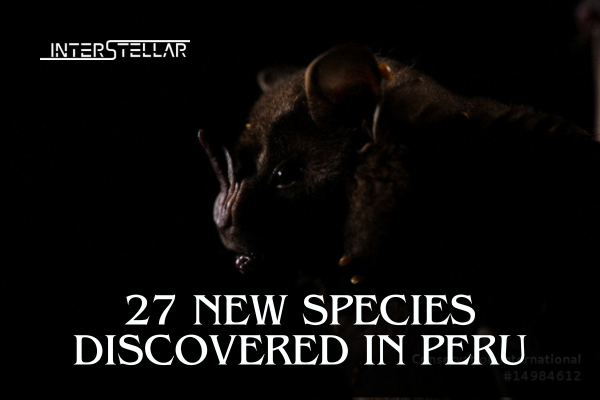
    An “amphibious mouse” with partially webbed feet that preys on aquatic insects is among 27 new species discovered during a 2022 expedition in Peru’s Amazon, according to Conservation International. This remarkable discovery highlights the ecological richness of Alto Mayo, a protected area in the region.
    Peru
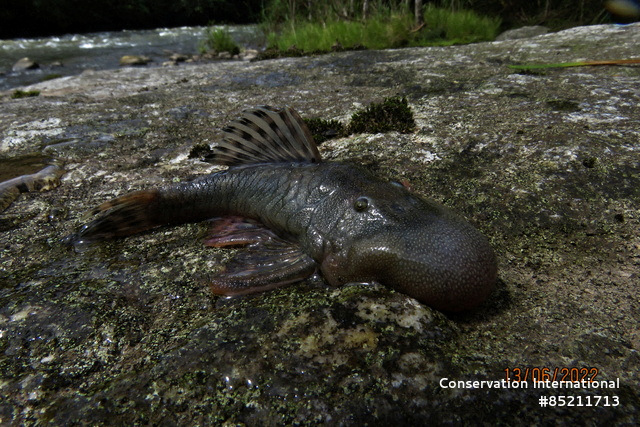
    A ‘blob-headed’ fish (Chaetostoma sp.) specimen, observed during an expedition to the Peruvian region of Alto Mayo, is pictured, Jun 13, 2022. Conservation International/photo by Robinson Olivera/Handout via REUTERS

    Incredible Discoveries in Alto Mayo

    The expedition, led by Conservation International’s Rapid Assessment Program, revealed a variety of new species. Among them are the amphibious mouse, a spiny mouse with stiff fur, a dwarf squirrel just 14 cm long, eight types of fish, three amphibians, and 10 butterflies. Trond Larsen, who heads the programme, emphasised the significance of finding so many new species in a landscape influenced by human activity.

    “Discovering so many new species of mammals and vertebrates is truly incredible,” Larsen said, highlighting the diverse ecosystems and Indigenous knowledge of Alto Mayo.
    Peru
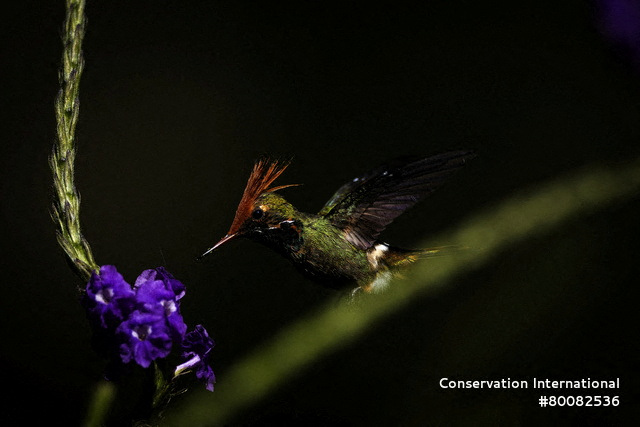
    A rufous-crested coquette (Lophornis delattrei) specimen, of a hummingbird species observed during an expedition to the Peruvian region of Alto Mayo, flies, Jun 27, 2022. Conservation International/photo by Marlon Dag/Handout via REUTERS

    Indigenous Knowledge and Collaboration

    The 38-day expedition, conducted between June and July 2022, involved 13 scientists, local technicians, and members of Indigenous groups, particularly the Awajún people. Their extensive traditional knowledge about the forests, plants, and animals played a crucial role in the findings.

    “It was fantastic to work so closely with the Awajún people,” Larsen said. He noted the dwarf squirrel, with its chestnut-brown fur and quick movements, as one of the expedition’s most charming discoveries. Another standout was the blob-headed fish, a type of armored catfish.

    Conservation Urgency

    The expedition documented 2,046 species in total, using tools like camera traps, bioacoustic sensors, and DNA sampling. Among them, 49 species are classified as threatened, including the yellow-tailed woolly monkey and the tree monkey.

    The findings underline the importance of protecting Alto Mayo. Larsen stressed the need for urgent action, warning that without conservation efforts, many of these species could face extinction in the future.

    With inputs from Reuters

    Author

    • Aishwarya Parikh
      Aishwarya Parikh

      View all posts
    Featured
    Share. Facebook Twitter Pinterest LinkedIn Tumblr Email Reddit Telegram WhatsApp
    Aishwarya Parikh

      Keep Reading

      Taiwan Eyes Greater Chip Investment in Arizona to Deepen U.S. Ties

      Microsoft Restores 365 Services After North America Outage

      TikTok Creates U.S. Joint Venture to Secure Data and Avoid Ban

      Self-Eating Spacecraft Promises Affordable Deep Space Access

      Elon Musk Challenges U.S. Solar Tariffs and Sets Bold Tesla Goals at Davos

      Blue Origin Unveils TeraWave, a 5,400-Satellite Network for Global Data Connectivity

      Add A Comment
      Leave A Reply Cancel Reply

      Anti Drone System (CUAS)
      Latest Posts

      Taiwan Eyes Greater Chip Investment in Arizona to Deepen U.S. Ties

      January 23, 2026

      Microsoft Restores 365 Services After North America Outage

      January 23, 2026

      TikTok Creates U.S. Joint Venture to Secure Data and Avoid Ban

      January 23, 2026

      Self-Eating Spacecraft Promises Affordable Deep Space Access

      January 23, 2026

      Elon Musk Challenges U.S. Solar Tariffs and Sets Bold Tesla Goals at Davos

      January 23, 2026

      Blue Origin Unveils TeraWave, a 5,400-Satellite Network for Global Data Connectivity

      January 22, 2026

      Apple Moves to Block CCI from Accessing Global Financial Records

      January 22, 2026

      Districts To Decide The Future Of India’s Exports

      January 22, 2026

      House Panel Approves AI Chip Export Bill Despite White House Opposition

      January 22, 2026

      Columbia Engineers Build Self-Learning Robotic Face That Lip-Syncs Naturally

      January 22, 2026

      Subscribe to News

      Get the latest sports news from NewsSite about world, sports and politics.

      • Astronomical Events
      • Space Missions
      • Industry News
      • Science
      StratNewsGlobal Tech
      Facebook X (Twitter) Instagram LinkedIn YouTube
      © 2026 StratNews Global, A unit of BharatShakti Communications LLP
      • About Us
      • Contributors
      • Copyright
      • Contact
      • Write for Us

      Type above and press Enter to search. Press Esc to cancel.