

Close Menu
Stratnews GlobalStratnews Global
    Facebook X (Twitter) Instagram
    Trending
    • SpaceX IPO Could Top $1 Trillion as Investors Rush In
    • Time Names AI Architects as 2025 Person of the Year
    • NAACP Issues Framework to Prevent Bias in Healthcare AI
    • Cambridge Study Finds Fake Accounts Can Be Created for Just Cents
    • Caribbean Nations Unite to Harness Geothermal Energy Potential
    • U.S. Pushes to End Reliance on Chinese Lidar Technology
    • Trump Moves to Block Broadband Funds Over State AI Regulations
    Stratnews GlobalStratnews Global
    Write for Us
    Friday, December 12
    • Space
    • Science
    • AI and Robotics
    • Industry News
    Stratnews GlobalStratnews Global
    Home » Could Vitain B1 Deficiency Be a Hidden Factor in Alzheimer’s Disease?

    Could Vitain B1 Deficiency Be a Hidden Factor in Alzheimer’s Disease?

    StratNewsGlobal Tech TeamBy StratNewsGlobal Tech TeamDecember 21, 2024 Science No Comments3 Mins Read
    Vitamin B1

    The Role of Thiamine in Brain Health and Alzheimer’s Prevention

    Experiencing occasional forgetfulness or apathy might seem harmless, but for some, these could be early signs of thiamine (vitamin B1) deficiency. Over time, a lack of thiamine can lead to serious consequences, including an increased risk of Alzheimer’s disease.

    Understanding the Importance of Vitamin B1

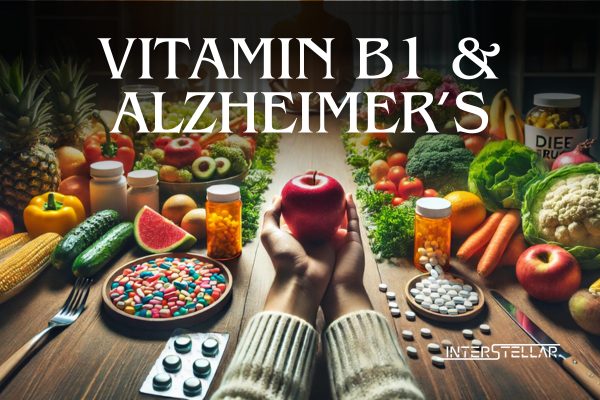
    Vitamin B1 plays a crucial role in brain function. It helps the brain use glucose for energy, and without it, brain cells begin to die. Additionally, thiamine is essential for producing acetylcholine, a neurotransmitter that is deficient in Alzheimer’s patients. Research shows that people with cognitive decline and Alzheimer’s often have low thiamine levels. Trials are ongoing to determine if thiamine derivatives could alleviate symptoms of the disease, but one thing is clear: maintaining adequate thiamine is vital for a healthy brain.

    Sources of Thiamine (Vitamin B1) and Vulnerable Groups

    In the UK, thiamine is added to fortified bread and cereals, with additional natural sources including whole grains, pork, trout, peas, and beans. While government surveys suggest that most people meet their daily thiamine needs, some groups are more vulnerable to deficiencies:

    • Elderly individuals: They often have lower thiamine levels due to dietary or absorption issues.
    • Gluten-intolerant individuals: Many avoid cereal products, which are significant sources of thiamine. Unfortunately, gluten-free alternatives are rarely fortified.
    • Paleo diet followers: Avoiding cereals leaves this group at risk of inadequate thiamine intake.
    • Sausage consumers: In the UK, sulphites used to preserve sausages destroy thiamine. This issue does not occur in countries like the US, where sulphites in sausages are banned.

    Ready meals, a staple for many older adults, also pose a problem. Thiamine is heat-sensitive and water-soluble, meaning it can be lost during food preparation. Without proper labelling, it is difficult to gauge the vitamin content of these meals.

    Why Diet Matters More Than Supplements

    While taking a thiamine supplement might seem like an easy solution, thiamine is poorly absorbed in pill form. Furthermore, multivitamins are linked to an increased cancer risk for some people. Experts recommend a balanced diet as the best way to ensure adequate thiamine and other brain-friendly nutrients.

    The Mediterranean diet, rich in thiamine and other nutrients, has been particularly effective in reducing the risk of Alzheimer’s disease. Its combination of vegetables, whole grains, lean proteins, and healthy fats provides a robust defence against cognitive decline.

    Moving Forward

    Although it remains unclear how much thiamine deficiencies contribute to rising Alzheimer’s rates, there is growing evidence that diet plays a significant role in prevention. By embracing a healthy Mediterranean-style diet and advocating for better food labelling, we can take proactive steps to protect brain health and reduce the risk of Alzheimer’s disease.

    Author

    • StratNewsGlobal Tech Team
      StratNewsGlobal Tech Team

      View all posts
    Featured
    Share. Facebook Twitter Pinterest LinkedIn Tumblr Email Reddit Telegram WhatsApp
    StratNewsGlobal Tech Team
    • Website

    Keep Reading

    SpaceX IPO Could Top $1 Trillion as Investors Rush In

    Time Names AI Architects as 2025 Person of the Year

    NAACP Issues Framework to Prevent Bias in Healthcare AI

    Cambridge Study Finds Fake Accounts Can Be Created for Just Cents

    Caribbean Nations Unite to Harness Geothermal Energy Potential

    U.S. Pushes to End Reliance on Chinese Lidar Technology

    Add A Comment
    Leave A Reply Cancel Reply

    Anti Drone System (CUAS)
    Latest Posts

    SpaceX IPO Could Top $1 Trillion as Investors Rush In

    December 12, 2025

    Time Names AI Architects as 2025 Person of the Year

    December 12, 2025

    NAACP Issues Framework to Prevent Bias in Healthcare AI

    December 12, 2025

    Cambridge Study Finds Fake Accounts Can Be Created for Just Cents

    December 12, 2025

    Caribbean Nations Unite to Harness Geothermal Energy Potential

    December 12, 2025

    U.S. Pushes to End Reliance on Chinese Lidar Technology

    December 12, 2025

    Trump Moves to Block Broadband Funds Over State AI Regulations

    December 12, 2025

    December 11, 2025

    Financial Inclusion Revisited: Counting Lives Changed

    December 11, 2025

    DAE Reports Record Nuclear Power Generation and Scientific Milestones in 2025

    December 11, 2025

    Subscribe to News

    Get the latest sports news from NewsSite about world, sports and politics.

    • Astronomical Events
    • Space Missions
    • Industry News
    • Science
    StratNewsGlobal Tech
    Facebook X (Twitter) Instagram LinkedIn YouTube
    © 2025 StratNews Global, A unit of BharatShakti Communications LLP
    • About Us
    • Contributors
    • Copyright
    • Contact
    • Write for Us

    Type above and press Enter to search. Press Esc to cancel.