


Close Menu
Stratnews GlobalStratnews Global
    Facebook X (Twitter) Instagram
    Trending
    • Elon Musk Challenges U.S. Solar Tariffs and Sets Bold Tesla Goals at Davos
    • Blue Origin Unveils TeraWave, a 5,400-Satellite Network for Global Data Connectivity
    • Apple Moves to Block CCI from Accessing Global Financial Records
    • Districts To Decide The Future Of India’s Exports
    • House Panel Approves AI Chip Export Bill Despite White House Opposition
    • Columbia Engineers Build Self-Learning Robotic Face That Lip-Syncs Naturally
    • BitGo Raises $212.8 Million in First U.S. Crypto IPO of 2026
    • Canadian Court Reverses TikTok Ban, Orders New Security Review
    Stratnews GlobalStratnews Global
    Write for Us
    Friday, January 23
    • Space
    • Science
    • AI and Robotics
    • Industry News
    Stratnews GlobalStratnews Global
    Home » Italian Probe Finds False Alarms Behind Suspected Russian Drone Flights

    Italian Probe Finds False Alarms Behind Suspected Russian Drone Flights

    Kanika SharmaBy Kanika SharmaDecember 23, 2025 Security & Politics No Comments2 Mins Read
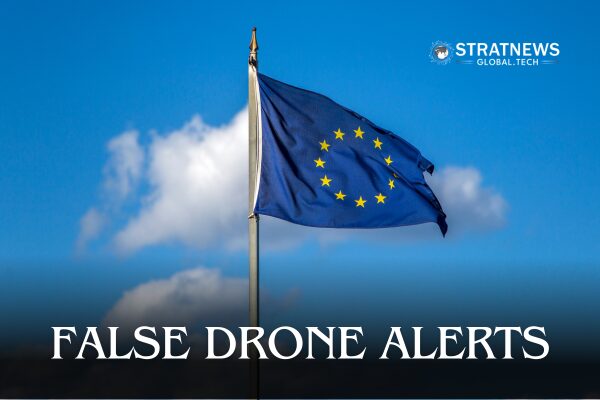
    False Drone Alerts
    Italian Prosecutors Drop Probe into Suspected Russian Drone Flights Over EU Space Centre

    Italian prosecutors have requested the dismissal of an investigation into alleged Russian drone activity over a European Union research facility, after determining that the supposed flights were the result of signal interference rather than espionage.

    Two sources familiar with the matter told Reuters that the Milan prosecutors’ office found no evidence of foreign drone operations near the European Joint Research Centre (JRC) in Ispra, northern Italy. The investigation concluded that 21 supposed overflights between March and May 2025 were actually false positives caused by a private GSM phone signal booster operating near the site.

    False Alarms Traced to Signal Interference

    Authorities had launched the probe in March following multiple alerts from the JRC, which had detected what it believed were unauthorised aerial incursions. Because flights over the JRC are strictly prohibited due to its sensitive research activities, prosecutors initially suspected possible espionage or military surveillance involving a Russian-made drone.

    However, technical analysis revealed that the alerts were triggered by overlapping interference between the research centre’s security sensors and sporadic signals from a mobile phone amplifier installed at a nearby residence.

    Case Likely to Be Closed

    Prosecutors have now asked a Milan court to formally drop the case. The judge is expected to approve the request, a step that is typically procedural in such instances.

    The findings effectively clear the initial suspicions of Russian involvement, which had prompted heightened scrutiny given the broader geopolitical context. NATO allies have repeatedly accused Moscow of conducting hybrid operations—including cyberattacks, sabotage, and espionage—against Western nations. Russia has consistently denied such claims, arguing that they reflect anti-Russian bias.

    Background on the Ispra Research Facility

    Located near Lake Maggiore, the Ispra JRC campus is the European Commission’s third-largest research site after Brussels and Luxembourg. Established in 1960 as a nuclear research facility, it now hosts a wide range of scientific programmes focusing on nuclear safety, space, sustainable resource management, migration, and transport policy.

    The case’s dismissal is likely to reassure local authorities and EU institutions that the incident posed no security threat, while highlighting how modern signal interference can complicate the detection of genuine aerial intrusions.

    with inputs from Reuters

    Author

    • Kanika Sharma
      Kanika Sharma

      View all posts
    Featured
    Share. Facebook Twitter Pinterest LinkedIn Tumblr Email Reddit Telegram WhatsApp
    Kanika Sharma
    Kanika Sharma

      Keep Reading

      Elon Musk Challenges U.S. Solar Tariffs and Sets Bold Tesla Goals at Davos

      Blue Origin Unveils TeraWave, a 5,400-Satellite Network for Global Data Connectivity

      Districts To Decide The Future Of India’s Exports

      House Panel Approves AI Chip Export Bill Despite White House Opposition

      Columbia Engineers Build Self-Learning Robotic Face That Lip-Syncs Naturally

      BitGo Raises $212.8 Million in First U.S. Crypto IPO of 2026

      Add A Comment
      Leave A Reply Cancel Reply

      Anti Drone System (CUAS)
      Latest Posts

      Elon Musk Challenges U.S. Solar Tariffs and Sets Bold Tesla Goals at Davos

      January 23, 2026

      Blue Origin Unveils TeraWave, a 5,400-Satellite Network for Global Data Connectivity

      January 22, 2026

      Apple Moves to Block CCI from Accessing Global Financial Records

      January 22, 2026

      Districts To Decide The Future Of India’s Exports

      January 22, 2026

      House Panel Approves AI Chip Export Bill Despite White House Opposition

      January 22, 2026

      Columbia Engineers Build Self-Learning Robotic Face That Lip-Syncs Naturally

      January 22, 2026

      BitGo Raises $212.8 Million in First U.S. Crypto IPO of 2026

      January 22, 2026

      Canadian Court Reverses TikTok Ban, Orders New Security Review

      January 22, 2026

      South Korea’s Economy Shrinks in Late 2025, AI and Chip Boom to Drive Rebound

      January 22, 2026

      Lemonade Cuts Insurance Rates by 50% for Tesla Drivers Using FSD

      January 22, 2026

      Subscribe to News

      Get the latest sports news from NewsSite about world, sports and politics.

      • Astronomical Events
      • Space Missions
      • Industry News
      • Science
      StratNewsGlobal Tech
      Facebook X (Twitter) Instagram LinkedIn YouTube
      © 2026 StratNews Global, A unit of BharatShakti Communications LLP
      • About Us
      • Contributors
      • Copyright
      • Contact
      • Write for Us

      Type above and press Enter to search. Press Esc to cancel.