


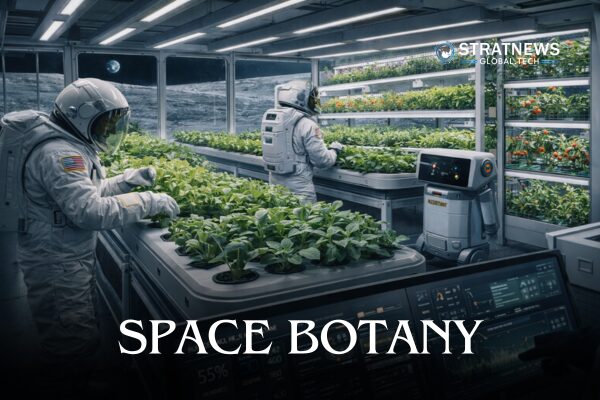
Scientists working on extraterrestrial agriculture have taken a new step toward future moon missions. They successfully grew chickpeas in soil made mostly from simulated lunar material. The result suggests astronauts may one day grow their own food on the moon.
Researchers produced harvestable chickpeas in soil mixtures dominated by simulated “moon dirt”. The material replicates lunar samples collected during NASA’s Apollo missions more than fifty years ago. As a result, the experiment offers insight into how crops might grow beyond Earth.
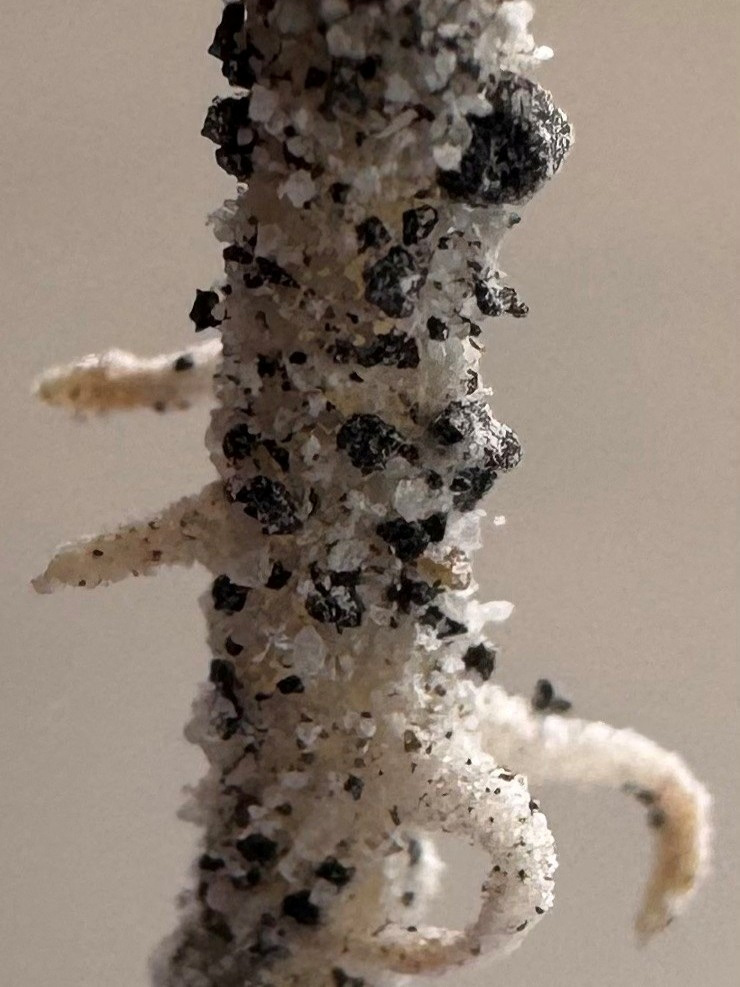
Growing Chickpeas in Simulated Lunar Soil
Researchers raised chickpeas from the Myles variety inside a climate controlled growth chamber at Texas A&M University. First, they coated the seeds with beneficial fungi. Then they planted them in a mixture of simulated lunar soil and vermicompost.
Vermicompost forms when earthworms break down organic waste. Therefore, it provides a nutrient rich supplement to otherwise barren material.
The lunar soil simulant came from a Florida company called Space Resource Technologies. Scientists mixed it with vermicompost to create different soil blends. As a result, they tested how plants responded to increasing amounts of lunar material.
Harvestable chickpeas grew in mixtures containing as much as seventy five percent lunar simulant. However, higher concentrations reduced the number of chickpeas produced. Meanwhile, the size of the harvested chickpeas stayed stable.
Seeds planted in pure lunar simulant failed to thrive. They produced no flowers or seeds and died early.
Why Food Production Matters in Space
The United States and China both plan to return astronauts to the moon in the coming years. These missions also aim to establish long term bases.
Because of this goal, scientists must learn how to grow food beyond Earth. Transporting large food supplies from Earth remains expensive and impractical. Weight limits also restrict cargo on spacecraft.
Chickpeas may offer a promising option for space farming. They contain high protein and essential nutrients. Therefore, they could support astronauts during extended missions.
Plants would also serve another important role. They could help produce oxygen and strengthen life support systems for future settlements.
Microbes and Soil Conditioning
Lunar soil mainly consists of crushed rock and dust. Meteorite impacts formed this material over billions of years. Although it contains minerals useful for plants, it lacks the organic structure found in Earth soil.
Earlier research showed that plants can germinate in lunar samples or simulants. However, those studies often relied heavily on added compost.
This experiment focused on plant microbe partnerships instead. Scientists tested whether microorganisms could improve the regolith structure and reduce plant stress.
The fungi coating the seeds worked symbiotically with chickpea roots. As a result, the plants absorbed key nutrients more effectively. At the same time, the microbes reduced heavy metal uptake.
The microorganisms also bound loose particles together. Therefore, the regolith began behaving more like natural soil.
Safety Questions and Taste Tests
Researchers have not yet tasted the chickpeas grown in the experiment. Instead, they are currently testing the plants for metal accumulation.
Lunar regolith contains metals such as aluminium and iron. Iron supports plant growth, yet aluminium can become toxic when consumed.
Scientists must confirm that the chickpeas are safe and nutritious before anyone eats them. Those findings will appear in a future study later this year.
Meanwhile, the laboratory team kept the experiment lively. Lunar themed songs sometimes played during plant growth sessions. A picture of chickpeas growing on the moon also hung nearby.
Although playful, the researchers view the work as meaningful progress. The study shows that crop production on the moon may be possible.
With inputs from Reuters