

Close Menu
Stratnews GlobalStratnews Global
    Facebook X (Twitter) Instagram
    Trending
    • CrowdStrike Buys SGNL for $740 Million to Bolster AI-Era Cybersecurity
    • Musk’s xAI to Invest $20 Billion in Mississippi AI Data Centre
    • MiniMax Shares Double on Hong Kong Debut Amid AI Investment Boom
    • German Man Faces Trial for Online Child Abuse and Suicide Incitement
    • How Russia’s Hypersonic Oreshnik Missile Strikes Its Targets
    • NASA Orders Early ISS Return After Astronaut Faces Medical Emergency
    • How IIT Madras Quietly Built India’s Deep-Tech Powerhouse
    • India, Russia Launch Indo-Russia Technology Hub to Boost Digital Sovereignty
    Stratnews GlobalStratnews Global
    Write for Us
    Friday, January 9
    • Space
    • Science
    • AI and Robotics
    • Industry News
    Stratnews GlobalStratnews Global
    Home » ESA Pushes SpaceX to Support International Space Debris Reduction Charter

    ESA Pushes SpaceX to Support International Space Debris Reduction Charter

    ReshamBy ReshamOctober 25, 2024 Space No Comments3 Mins Read
    ESA

    ESA in Talks with SpaceX to Join Global Effort to Tackle Space Debris

    The European Space Agency (ESA) is in discussions with SpaceX to join an international initiative aimed at reducing space debris, according to ESA Director General Josef Aschbacher. This move is part of ongoing efforts to tackle the growing issue of space junk, which poses a threat to active satellites and future space missions.

    ESA’s Zero Debris Charter

    ESA is leading a global effort to curb the creation of new space debris through its Zero Debris charter, which seeks to stop the generation of orbital junk by 2030. Currently, 110 countries and entities have signed up for the initiative. Aschbacher confirmed that SpaceX, responsible for about two-thirds of all active satellites in low Earth orbit (LEO), has yet to sign the charter but discussions are ongoing.

    SpaceX’s Starlink constellation, consisting of over 6,300 satellites, makes the company a key player in the LEO satellite industry. The rapid expansion of satellite constellations, including new ventures from China and Amazon’s Kuiper constellation, highlights the increasing importance of debris management. Amazon has already joined the Zero Debris charter, Aschbacher noted.

    The Growing Threat of Space Debris

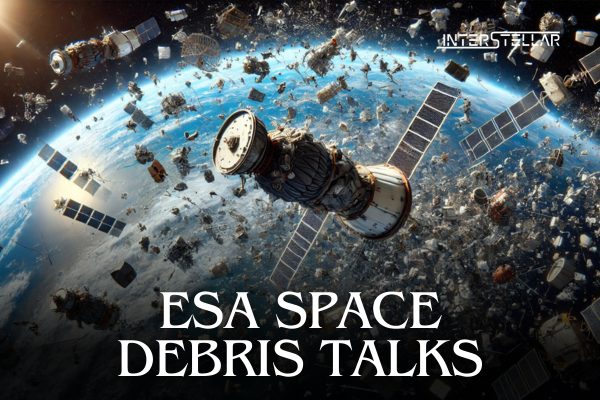
    The issue of space debris continues to worsen, with nearly 19,000 trackable pieces of space junk currently orbiting Earth. This debris includes inactive satellites, rocket bodies, and smaller fragments from past collisions or breakups. High-profile incidents, such as the 2007 destruction of a Chinese satellite and a 2009 collision between US and Russian spacecraft, significantly added to the growing cloud of debris.

    While no international laws govern space debris, many space-faring nations and agencies are working on national rules and proposals to address the issue. ESA’s Zero Debris charter is a significant step in uniting global efforts, even though the agency is not a regulatory body. “We are a technical space agency, but the fact that we’ve gathered international support for this charter is very encouraging,” said Aschbacher.

    SpaceX’s Role in Debris Management

    SpaceX, under US Federal Communications Commission (FCC) regulations, is required to deorbit its Starlink satellites within five years of their end of service, ensuring they burn up in Earth’s atmosphere. While SpaceX is not yet a signatory to the Zero Debris charter, experts like Harvard astronomer Jonathan McDowell believe their participation would signal a major commitment to responsible space operations.

    Despite this, SpaceX has previously criticised a US Federal Aviation Administration (FAA) report on falling debris risks as “deeply flawed,” according to SpaceNews.

    Anti-Satellite Missile Tests and Debris

    The issue of space debris is exacerbated by anti-satellite missile tests conducted by various countries. In August 2023, a Chinese rocket body broke apart after colliding with a piece of space debris, creating one of the largest new debris fields in recent history. NASA estimates that two significant past incidents — a 2007 Chinese missile test and a 2009 accidental collision between US and Russian satellites — increased the overall debris field by about 70%.

    The Biden administration has pushed for a moratorium on anti-satellite missile tests, with several nations backing the initiative. However, neither Russia nor China have agreed to the moratorium, further complicating efforts to manage space debris on a global scale.

    Author

    • Resham
      Resham

      Research Associate at Interstellar.| China Scholar | China Social Media & Foreign Affairs|

      View all posts
    Featured
    Share. Facebook Twitter Pinterest LinkedIn Tumblr Email Reddit Telegram WhatsApp
    Resham
    • X (Twitter)

    Research Associate at Interstellar.| China Scholar | China Social Media & Foreign Affairs|

    Keep Reading

    CrowdStrike Buys SGNL for $740 Million to Bolster AI-Era Cybersecurity

    Musk’s xAI to Invest $20 Billion in Mississippi AI Data Centre

    MiniMax Shares Double on Hong Kong Debut Amid AI Investment Boom

    German Man Faces Trial for Online Child Abuse and Suicide Incitement

    How Russia’s Hypersonic Oreshnik Missile Strikes Its Targets

    NASA Orders Early ISS Return After Astronaut Faces Medical Emergency

    Add A Comment
    Leave A Reply Cancel Reply

    Anti Drone System (CUAS)
    Latest Posts

    CrowdStrike Buys SGNL for $740 Million to Bolster AI-Era Cybersecurity

    January 9, 2026

    Musk’s xAI to Invest $20 Billion in Mississippi AI Data Centre

    January 9, 2026

    MiniMax Shares Double on Hong Kong Debut Amid AI Investment Boom

    January 9, 2026

    German Man Faces Trial for Online Child Abuse and Suicide Incitement

    January 9, 2026

    How Russia’s Hypersonic Oreshnik Missile Strikes Its Targets

    January 9, 2026

    NASA Orders Early ISS Return After Astronaut Faces Medical Emergency

    January 9, 2026

    How IIT Madras Quietly Built India’s Deep-Tech Powerhouse

    January 8, 2026

    India, Russia Launch Indo-Russia Technology Hub to Boost Digital Sovereignty

    January 8, 2026

    PM Modi Hails AI Start-Ups as ‘Co-Architects of India’s Future’ at Roundtable

    January 8, 2026

    Nostalgia Rules CES 2026 as Retro Gadgets Capture Hearts Across Generations

    January 8, 2026

    Subscribe to News

    Get the latest sports news from NewsSite about world, sports and politics.

    • Astronomical Events
    • Space Missions
    • Industry News
    • Science
    StratNewsGlobal Tech
    Facebook X (Twitter) Instagram LinkedIn YouTube
    © 2026 StratNews Global, A unit of BharatShakti Communications LLP
    • About Us
    • Contributors
    • Copyright
    • Contact
    • Write for Us

    Type above and press Enter to search. Press Esc to cancel.