

Close Menu
Stratnews GlobalStratnews Global
    Facebook X (Twitter) Instagram
    Trending
    • Bitcoin 16-Month Low Tests $60,000 Amid Global Selloff
    • Intel AMD CPU Shortages Hit China Amid AI Demand Surge
    • Wistron Sees AI Orders Rising
    • India Nuclear Power Capacity Set to Expand to 22,000 MW by 2032
    • NASA Artemis II Mission Delayed to March After Rocket Fueling Issues
    • Germany Plans €35 Billion Military Space Push to Counter Russia and China
    • Super Bowl LX Cybersecurity and Wi-Fi Upgrade Transforms Levi’s Stadium
    • Memory Shortages Weigh on Smartphone Chip Sales
    Stratnews GlobalStratnews Global
    Write for Us
    Friday, February 6
    • Space
    • Science
    • AI and Robotics
    • Industry News
    Stratnews GlobalStratnews Global
    Home » Iran Launches Heaviest Payload Yet, Showcasing Satellite Technology

    Iran Launches Heaviest Payload Yet, Showcasing Satellite Technology

    Arushi PandeyBy Arushi PandeyDecember 7, 2024 Space No Comments2 Mins Read
    Iran

    Iran’s Record-Breaking Space Launch Showcases Advanced Technology

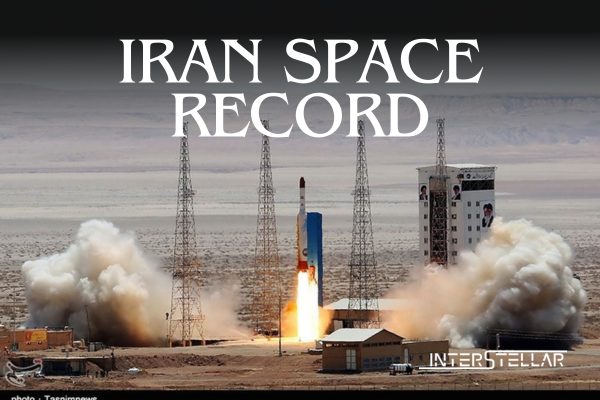
    Iran successfully launched its heaviest payload into space on Friday using the Simorgh carrier rocket. The payload included the advanced Samān-1 transfer module, designed to position satellites in higher-altitude orbits. State television reported that the launch also carried a CubeSat and a research payload.

    Details of the Successful Launch

    The payloads were placed in an elliptical orbit, with a high point of 410 km (255 miles) and a low point of 300 km (186 miles). According to Iranian media, the launch marked a significant milestone for the country’s space programme. The Simorgh rocket, a two-stage liquid-fuelled satellite launch vehicle developed by Iran’s defence ministry and Armed Forces Logistics, achieved this during its eighth launch.

    The combined payload weight of approximately 300 kg (660 pounds) set a new national record for Iran, demonstrating advances in its satellite deployment capabilities.

    Iran’s Growing Space Ambitions

    This is not Iran’s first notable achievement with the Simorgh rocket. In January, Iran launched three satellites simultaneously for the first time. These included a 32 kg (70-pound) satellite and two nano-satellites, each weighing less than 10 kg. These satellites were launched to an altitude of 450 km (280 miles) to test narrowband communication and geopositioning technology.

    Additionally, in September, Iran used the Qaem-100 satellite carrier to place the Chamran-1 research satellite into a 550 km (340-mile) orbit, showcasing further advancements in satellite technology.

    Rising Tensions Amidst Technological Advances

    The launch comes amidst claims by the United States and European nations that Iran is supplying ballistic missiles to Russia, potentially for use in the conflict in Ukraine. Iran has denied these allegations, maintaining that its missile and space programmes are purely defensive and scientific.

    Iran’s space programme continues to evolve, signalling its ambitions in the field despite mounting international scrutiny.

    With inputs from Reuters

    Author

    • Arushi Pandey
      Arushi Pandey

      View all posts
    Featured
    Share. Facebook Twitter Pinterest LinkedIn Tumblr Email Reddit Telegram WhatsApp
    Arushi Pandey

      Keep Reading

      Bitcoin 16-Month Low Tests $60,000 Amid Global Selloff

      Intel AMD CPU Shortages Hit China Amid AI Demand Surge

      Wistron Sees AI Orders Rising

      India Nuclear Power Capacity Set to Expand to 22,000 MW by 2032

      NASA Artemis II Mission Delayed to March After Rocket Fueling Issues

      Germany Plans €35 Billion Military Space Push to Counter Russia and China

      Add A Comment
      Leave A Reply Cancel Reply

      Anti Drone System (CUAS)
      Latest Posts

      Bitcoin 16-Month Low Tests $60,000 Amid Global Selloff

      February 6, 2026

      Intel AMD CPU Shortages Hit China Amid AI Demand Surge

      February 6, 2026

      Wistron Sees AI Orders Rising

      February 6, 2026

      India Nuclear Power Capacity Set to Expand to 22,000 MW by 2032

      February 6, 2026

      NASA Artemis II Mission Delayed to March After Rocket Fueling Issues

      February 6, 2026

      Germany Plans €35 Billion Military Space Push to Counter Russia and China

      February 6, 2026

      Super Bowl LX Cybersecurity and Wi-Fi Upgrade Transforms Levi’s Stadium

      February 6, 2026

      Memory Shortages Weigh on Smartphone Chip Sales

      February 6, 2026

      Third Launch Pad Construction Set for March 2029 Completion

      February 6, 2026

      Slovenia Social Media Ban Planned for Children Under 15

      February 6, 2026

      Subscribe to News

      Get the latest sports news from NewsSite about world, sports and politics.

      • Astronomical Events
      • Space Missions
      • Industry News
      • Science
      StratNewsGlobal Tech
      Facebook X (Twitter) Instagram LinkedIn YouTube
      © 2026 StratNews Global, A unit of BharatShakti Communications LLP
      • About Us
      • Contributors
      • Copyright
      • Contact
      • Write for Us

      Type above and press Enter to search. Press Esc to cancel.