

Close Menu
Stratnews GlobalStratnews Global
    Facebook X (Twitter) Instagram
    Trending
    • SpaceX Loses Starlink Satellite After Rare Orbital Mishap
    • Stocks Rally on Easing Inflation, Micron’s AI Boom Forecast
    • Trump Media Merges with TAE Technologies in $6 Billion Fusion Energy Deal
    • House Passes SPEED Act to Overhaul U.S. Energy Permitting Rules
    • Trump Administration Reviews Nvidia H200 Chip Sales to China
    • ByteDance Forms U.S. TikTok Joint Venture to Avoid Government Ban
    • Trump Sets 2028 Moon Landing Goal in New Space Superiority Order
    • India’s $100 Billion Trade Gamble: Inside the EFTA Deal
    Stratnews GlobalStratnews Global
    Write for Us
    Saturday, December 20
    • Space
    • Science
    • AI and Robotics
    • Industry News
    Stratnews GlobalStratnews Global
    Home » Global Lunar Exploration: Ispace and Firefly Launch Moon Landers

    Global Lunar Exploration: Ispace and Firefly Launch Moon Landers

    Aishwarya ParikhBy Aishwarya ParikhJanuary 15, 2025 Space No Comments3 Mins Read
    Ispace and Firefly

    Global Moon Race Heats Up with Dual Lunar Lander Launch

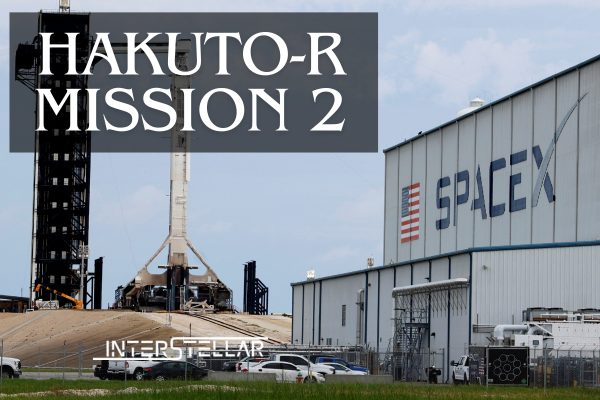
    Two moon landers, one from Japan and another from US, Ispace and Firefly respectively, were mounted atop a SpaceX rocket in Florida on Tuesday. The Ispace and Firefly launch signifies a unique double moonshot, highlighting the international push to explore the lunar surface for scientific and commercial purposes.

    Ispace’s Second Moon Mission: Aiming for Redemption

    Japanese space exploration firm ispace is preparing to launch its Hakuto-R Mission 2. This marks its second attempt to land on the moon after a near-successful mission in April 2023 ended in failure due to an altitude miscalculation during its final moments.

    The Hakuto lander, aptly named Resilience, is carrying $16 million worth of customer missions and six scientific payloads. Among these is an in-house Micro Rover designed to collect lunar samples. According to Jumpei Nozaki, ispace’s Executive Business Director, the lander will take a carefully planned, energy-efficient route that leverages the gravitational pull of the Earth and moon. This winding trajectory will lead to a scheduled touchdown in the summer of 2025, four to five months after launch.

    Firefly’s First Lunar Lander: Blue Ghost

    Firefly Aerospace, a Texas-based company, is debuting its Blue Ghost lander. This mission, part of NASA’s Commercial Lunar Payload Services (CLPS) program, is carrying 10 payloads funded by NASA and private partners, including a payload from Honeybee Robotics, a Blue Origin subsidiary. Blue Ghost is expected to reach the moon roughly 45 days after launch, targeting March 2025.

    The mission will last one lunar day, approximately two Earth weeks. Like ispace’s Hakuto, Blue Ghost will not survive the harsh lunar night, where temperatures can plunge to -200°F (-128°C).

    Renewed Interest in the Moon’s Potential

    The moon has become a focal point for governments and private companies alike, spurred by its potential to host astronaut bases and yield resources for future space exploration. This resurgence mirrors the Cold War-era space race, blending national prestige with geopolitical competition.

    NASA’s Artemis program aims to return humans to the moon by 2027, with potential delays. Meanwhile, China is targeting 2030 for its first crewed lunar mission, following a series of robotic explorations. The US-based CLPS program, under which Firefly’s Blue Ghost operates, is intended to stimulate private-sector lunar exploration and research, paving the way for human missions.

    However, NASA’s lunar ambitions may face shifts under changing political leadership. As of now, the agency remains focused on delivering groundbreaking science, regardless of future adjustments.

    With inputs from Reuters

    Author

    • Aishwarya Parikh
      Aishwarya Parikh

      View all posts
    Featured
    Share. Facebook Twitter Pinterest LinkedIn Tumblr Email Reddit Telegram WhatsApp
    Aishwarya Parikh

      Keep Reading

      SpaceX Loses Starlink Satellite After Rare Orbital Mishap

      Stocks Rally on Easing Inflation, Micron’s AI Boom Forecast

      Trump Media Merges with TAE Technologies in $6 Billion Fusion Energy Deal

      House Passes SPEED Act to Overhaul U.S. Energy Permitting Rules

      Trump Administration Reviews Nvidia H200 Chip Sales to China

      ByteDance Forms U.S. TikTok Joint Venture to Avoid Government Ban

      Add A Comment
      Leave A Reply Cancel Reply

      Anti Drone System (CUAS)
      Latest Posts

      SpaceX Loses Starlink Satellite After Rare Orbital Mishap

      December 19, 2025

      Stocks Rally on Easing Inflation, Micron’s AI Boom Forecast

      December 19, 2025

      Trump Media Merges with TAE Technologies in $6 Billion Fusion Energy Deal

      December 19, 2025

      House Passes SPEED Act to Overhaul U.S. Energy Permitting Rules

      December 19, 2025

      Trump Administration Reviews Nvidia H200 Chip Sales to China

      December 19, 2025

      ByteDance Forms U.S. TikTok Joint Venture to Avoid Government Ban

      December 19, 2025

      Trump Sets 2028 Moon Landing Goal in New Space Superiority Order

      December 19, 2025

      India’s $100 Billion Trade Gamble: Inside the EFTA Deal

      December 18, 2025

      Micron Shares Soar as AI Boom Drives High-Bandwidth Memory Demand

      December 18, 2025

      Roblox Seeks to Overturn Russia Ban by Adapting Platform Rules

      December 18, 2025

      Subscribe to News

      Get the latest sports news from NewsSite about world, sports and politics.

      • Astronomical Events
      • Space Missions
      • Industry News
      • Science
      StratNewsGlobal Tech
      Facebook X (Twitter) Instagram LinkedIn YouTube
      © 2025 StratNews Global, A unit of BharatShakti Communications LLP
      • About Us
      • Contributors
      • Copyright
      • Contact
      • Write for Us

      Type above and press Enter to search. Press Esc to cancel.