


Close Menu
Stratnews GlobalStratnews Global
    Facebook X (Twitter) Instagram
    Trending
    • Italian Scientists Create 3D-Printed Snacks from Lab-Grown Plant Cells
    • Korea Zinc to Build $7.4 Billion U.S.-Backed Smelter in Tennessee
    • Tesla Directors Earn $3 Billion from Stock Options, Raising Governance Concerns
    • Lawmaker Seeks Details on Trump’s Approval of Nvidia H200 Exports
    • Google to Lay Australia-Funded Subsea Cables in Papua New Guinea
    • Protesters in Tomsk Rally Against Russia’s Roblox Ban
    • NTT Chief Urges Japan to Focus on Niche Semiconductor Strategy
    • EU set to roll back 2035 ban on petrol and diesel cars amid automaker pressure
    Stratnews GlobalStratnews Global
    Write for Us
    Monday, December 15
    • Space
    • Science
    • AI and Robotics
    • Industry News
    Stratnews GlobalStratnews Global
    Home » NASA-ISRO NISAR Mission: C-130 Transports Radar Antenna to Bengaluru

    NASA-ISRO NISAR Mission: C-130 Transports Radar Antenna to Bengaluru

    Kanika SharmaBy Kanika SharmaOctober 19, 2024 Space No Comments2 Mins Read
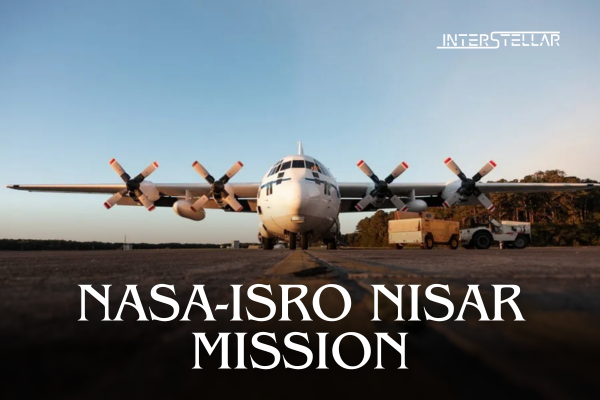
    NASA-ISRO NISAR Mission
    NASA’s C-130 Hercules is prepared for departure from NASA’s Wallops Flight Facility in Virginia, on October 15, 2024, for a cargo transport mission to India. The C-130 is supporting the NASA-ISRO Synthetic Aperture Radar (NISAR) mission. NASA

    NASA’s C-130 Hercules Transports Radar Antenna for NISAR Mission to India

    NASA’s C-130 Hercules team is on a cargo mission to Bengaluru, India, supporting the NASA-ISRO Synthetic Aperture Radar (NISAR) mission. The aircraft departed from NASA’s Wallops Flight Facility in Virginia on Tuesday, October 15, starting a multi-leg journey spanning around 24,500 nautical miles and nearly 80 hours of flight time.

    NASA-ISRO NISAR Mission: Objective

    The mission’s main goal is to deliver NASA’s radar antenna reflector, a crucial component for the NISAR spacecraft. This equipment will be integrated into the joint NASA and Indian Space Research Organisation (ISRO) mission. The radar system will map Earth’s land and ice, providing vital data for climate research, disaster monitoring, and agricultural analysis.
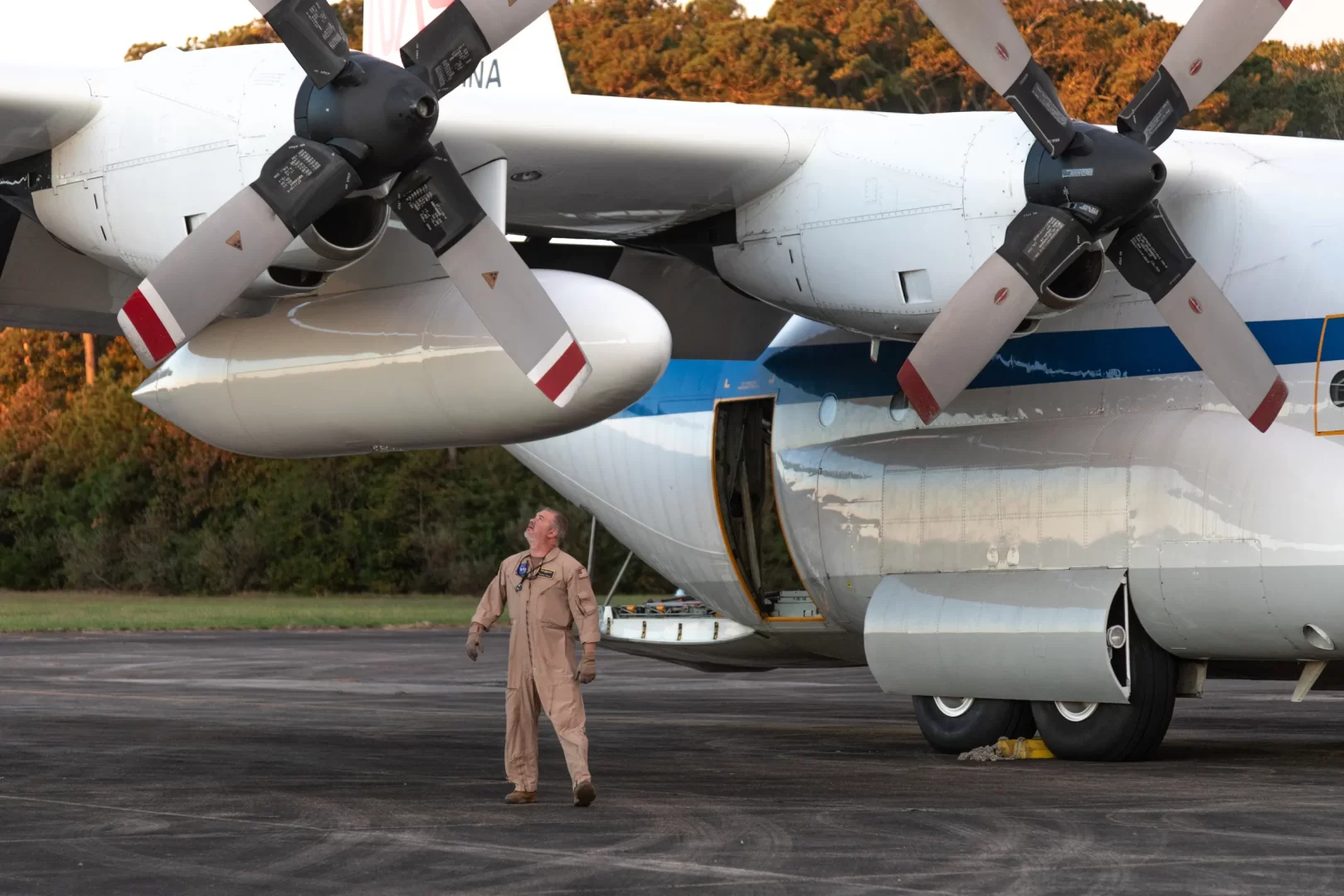
    The flight crew inspects the aircraft prior to departure from NASA Wallops.
    NASA

    NASA-ISRO NISAR Mission: Overview and Flight Path

    The C-130 Hercules is making several stops before reaching India. After departing Virginia, it made a stop at March Air Reserve Base in California to collect the 2,800-pound radar antenna from NASA’s Jet Propulsion Laboratory. Further stops include Hickam Air Force Base in Hawaii, Andersen Air Force Base in Guam, Clark Air Base in the Philippines, and Hindustan Aeronautics Limited Airport in Bengaluru.

    This flight marks the third cargo mission to India for the NISAR project. Previous transport missions occurred in July 2023 and March 2024. The multi-leg journey includes scheduled rest stops to maintain the aircraft’s and crew’s condition, ensuring smooth delivery across time zones and long-haul segments.
    NASA
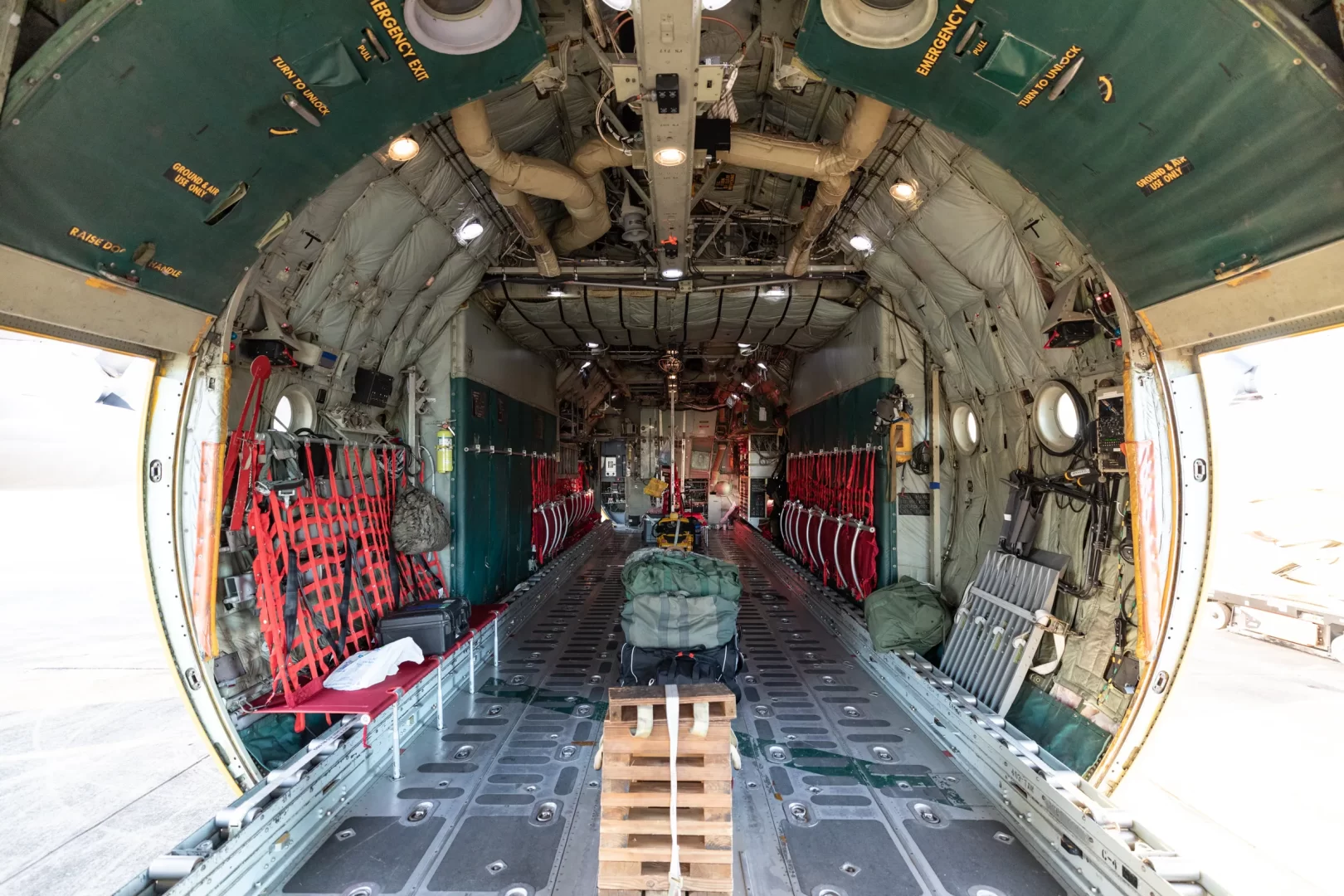
    The C-130’s cargo compartment has plenty of space to hold the more than 2,800-pound payload containing the radar antennae reflector once retrieved from California.
    NASA

    Importance of the Radar Antenna

    The radar antenna is a major part of NASA’s contribution to the NISAR mission. This mission will provide high-resolution images for various environmental and scientific purposes, delivering valuable insights into Earth’s natural processes.

    Author

    • Kanika Sharma
      Kanika Sharma

      View all posts
    Featured
    Share. Facebook Twitter Pinterest LinkedIn Tumblr Email Reddit Telegram WhatsApp
    Kanika Sharma
    Kanika Sharma

      Keep Reading

      Italian Scientists Create 3D-Printed Snacks from Lab-Grown Plant Cells

      Korea Zinc to Build $7.4 Billion U.S.-Backed Smelter in Tennessee

      Tesla Directors Earn $3 Billion from Stock Options, Raising Governance Concerns

      Lawmaker Seeks Details on Trump’s Approval of Nvidia H200 Exports

      Google to Lay Australia-Funded Subsea Cables in Papua New Guinea

      Protesters in Tomsk Rally Against Russia’s Roblox Ban

      Add A Comment
      Leave A Reply Cancel Reply

      Anti Drone System (CUAS)
      Latest Posts

      Italian Scientists Create 3D-Printed Snacks from Lab-Grown Plant Cells

      December 15, 2025

      Korea Zinc to Build $7.4 Billion U.S.-Backed Smelter in Tennessee

      December 15, 2025

      Tesla Directors Earn $3 Billion from Stock Options, Raising Governance Concerns

      December 15, 2025

      Lawmaker Seeks Details on Trump’s Approval of Nvidia H200 Exports

      December 15, 2025

      Google to Lay Australia-Funded Subsea Cables in Papua New Guinea

      December 15, 2025

      Protesters in Tomsk Rally Against Russia’s Roblox Ban

      December 15, 2025

      NTT Chief Urges Japan to Focus on Niche Semiconductor Strategy

      December 15, 2025

      EU set to roll back 2035 ban on petrol and diesel cars amid automaker pressure

      December 15, 2025

      U.S. Bill Targets Chinese Lidar Sensors Over Fear of Space Hack

      December 15, 2025

      President Murmu honours winners at National Energy Conservation Awards 2025

      December 15, 2025

      Subscribe to News

      Get the latest sports news from NewsSite about world, sports and politics.

      • Astronomical Events
      • Space Missions
      • Industry News
      • Science
      StratNewsGlobal Tech
      Facebook X (Twitter) Instagram LinkedIn YouTube
      © 2025 StratNews Global, A unit of BharatShakti Communications LLP
      • About Us
      • Contributors
      • Copyright
      • Contact
      • Write for Us

      Type above and press Enter to search. Press Esc to cancel.