


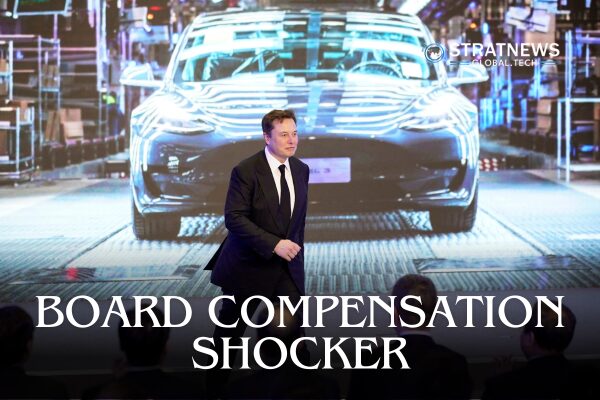
Tesla Board Earned Over $3 Billion in Stock Awards, Far Exceeding Industry Norms
Tesla’s board of directors has collectively earned more than $3 billion through stock awards that have grown far beyond the original value of similar grants at other major U.S. technology companies, according to data analysed for Reuters by compensation and governance consultancy Equilar.
The findings reveal that Tesla’s board members – including CEO Elon Musk’s brother Kimbal Musk – have seen extraordinary gains tied to Tesla’s surging share price over the past decade. The analysis has reignited debate over governance standards at the electric carmaker, particularly given the board’s close personal and financial ties to Musk.
Exceptional Gains from Stock Options
Equilar’s study found that Kimbal Musk has earned nearly $1 billion since joining the board in 2004, while director Ira Ehrenpreis has made about $869 million since 2007. Board chair Robyn Denholm has received around $650 million since 2014. These windfalls stem from stock options granted before 2021, when Tesla halted director compensation to settle a shareholder lawsuit alleging excessive pay.
Between 2018 and 2020, the average Tesla director received roughly $12 million in total compensation—eight times more than their counterparts at Alphabet, the next highest-paying company among the so-called “Magnificent Seven.” Even accounting for Tesla’s pay suspension, its directors earned on average $1.7 million a year between 2018 and 2024—two and a half times more than Meta’s directors, the next highest during the same period.
Tesla’s spokesperson told Reuters that the directors’ pay “is not excessive but directly tied to stock performance and shareholder value creation,” noting that the board held 58 meetings in 2024, well above industry averages.
Concerns Over Governance and Oversight
Tesla’s use of stock options—rather than shares—to compensate directors has been criticised by governance experts for amplifying financial rewards without exposing recipients to downside risk. Option holders benefit only if the stock price rises and face no losses if it falls, a structure that some specialists argue undermines independent oversight of the CEO.
“Tesla directors are ridiculously overpaid,” said Douglas Chia, a governance consultant at Soundboard Governance. “Are you actually incentivised to do a better job by being paid this much? Probably not.”
Charles Elson, founding director of the University of Delaware’s corporate-governance institute, added that while options do tie rewards to performance, restricted stock—shares that vest over time—better aligns directors with shareholders. He noted that options “tend to magnify returns dramatically.”
Broader Implications and Legal Scrutiny
Tesla’s board compensation has drawn scrutiny in Delaware courts, particularly during proceedings that invalidated Elon Musk’s 2018 pay package—worth $132 billion at today’s valuation. The court found that directors’ excessive compensation and personal loyalty to Musk compromised their independence. Tesla has appealed the ruling and proposed a new package worth as much as $1 trillion in stock over the next decade should the appeal fail.
Equilar’s comparison also highlighted how Tesla stands apart from its peers. Directors at Nvidia, Alphabet, Meta, and Apple have also seen large gains as their companies’ stocks rose, but governance experts said those initial stock grants were in line with industry norms. None of the other six “Magnificent Seven” firms have faced lawsuits over board compensation.
For Denholm and Kathleen Wilson-Thompson—two directors responsible for drafting Musk’s latest compensation plan—the Tesla pay-outs represent the majority of their personal wealth. Both declined interview requests, though Denholm has previously described her earnings as “life-changing.”
As Chia observed, “It’s the same job as any other public company. What makes Tesla directors so special?”
with inputs from Reuters

