

Elon Musk OpenAI Lawsuit Intensifies In Court
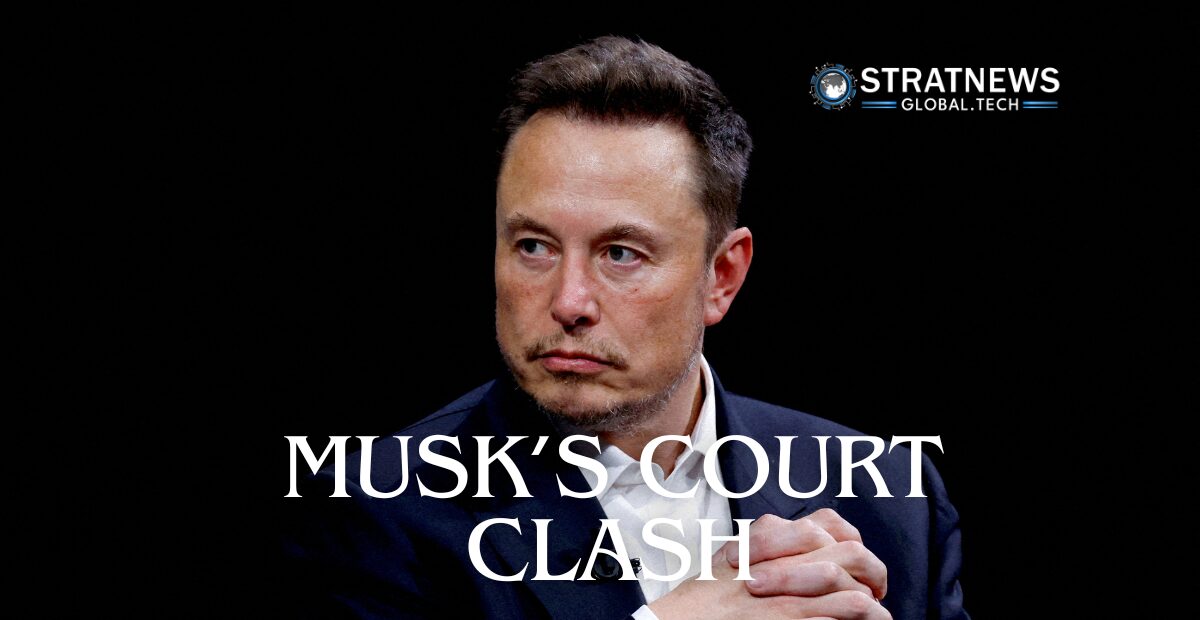
Elon Musk testified during a tense cross examination that he was aware of early discussions about shifting OpenAI towards a for profit structure. However, he stated that reassurances from co founder Sam Altman led him to believe the organisation would remain a nonprofit.
Moreover, Musk argued that his financial contributions and support were based on that understanding. He claims that the company later deviated from its original mission, prompting the ongoing legal dispute.
Dispute Over OpenAI’s Structural Shift
The lawsuit centres on allegations that OpenAI, along with Sam Altman and Greg Brockman, secured Musk’s backing by committing to a nonprofit model focused on safe artificial intelligence development.
However, Musk contends that the organisation later transitioned into a for profit structure that prioritised financial gain. He is seeking major governance changes as well as substantial financial damages.
During questioning, a lawyer representing OpenAI pressed Musk about whether he had reviewed key documents outlining the proposed structural shift. Musk responded that he did not examine the details closely and focused only on the main points.
Courtroom Tensions And Key Testimony
The courtroom exchanges grew increasingly strained as Musk expressed frustration with the line of questioning. He criticised interruptions during his responses, while the presiding judge also intervened to address concerns about the conduct of the cross examination.
In addition, Musk was questioned about why he delayed filing the lawsuit and whether he had overlooked signs that OpenAI intended to adopt a for profit model. Legal representatives pointed to communications suggesting discussions about monetisation and restricted access to technology.
Nevertheless, Musk maintained that he relied on assurances that the nonprofit structure would remain intact.
Financial Stakes And Broader Implications
The case carries significant financial and strategic implications. Musk is seeking 150 billion dollars in damages and has called for OpenAI to revert to a nonprofit structure, alongside leadership changes.
Furthermore, he alleged that the for profit arm now holds the majority of the organisation’s value. He argued that this shift undermines the original purpose of the entity and raises concerns about governance.
OpenAI has rejected these claims. The company stated that the for profit structure allows it to secure investment, expand computing capacity, and attract leading researchers.
Debate Over AI Development And Control
The dispute also reflects broader tensions in the artificial intelligence sector. Musk has accused OpenAI of abandoning its mission to benefit humanity, while the company argues that his actions are driven by competitive interests linked to his own AI venture.
Additionally, discussions in court touched on the risks associated with artificial intelligence, although the judge ruled that the trial would not address broader safety concerns.
The proceedings, which began earlier in the week, are expected to continue for several weeks with further testimony from key figures and experts.
With inputs from Reuters