


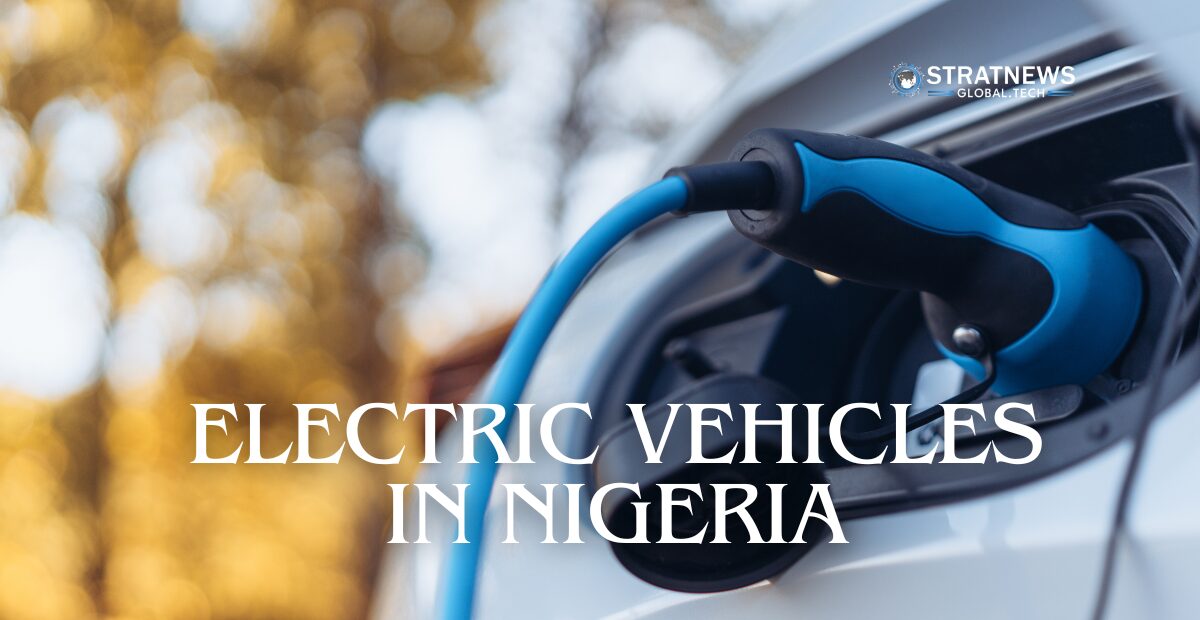
Nigeria’s Electric Vehicle Push Gains Momentum Despite Power Challenges
For technology content creator Cyril Okoi, buying an electric vehicle proved worthwhile when Nigeria’s latest fuel price increase took effect.
“I won’t lie, it’s one of the best decisions I made. I don’t get to spend a lot of money on fuel. For example, this fuel hike, I didn’t experience it at all,” Okoi said.
Nigeria approved tax waivers for nearly 4,000 electric vehicles during the first half of 2026, according to government data. The move forms part of efforts to accelerate electric vehicle adoption despite persistent electricity shortages.
Tax Incentives Drive Electric Vehicle Adoption
The approvals represent the first phase of a government programme designed to promote cleaner transport. The initiative combines tax incentives with support for local vehicle assembly.
Nigeria exempted electric vehicles from value-added tax in 2024. In 2025, it also reduced import duties on electric vehicles to zero from 5%.
Meanwhile, higher fuel costs have increased interest in electric motorcycles, cars and buses. The increase followed the removal of Nigeria’s petrol subsidy in 2023.
However, the shift towards electric transport faces a major obstacle. Many EV owners still charge their vehicles using diesel generators because of unreliable grid electricity.
Diesel Generators Power EV Charging
The dependence on generators extends beyond individual EV owners. Charging stations, dealerships and battery-swapping operators also often rely on backup generators when grid power fails.
Saglev, Nigeria’s first electric vehicle manufacturer, says waiting for reliable electricity before adopting EVs would slow the country’s transition to electric mobility.
The economics of EV ownership therefore remain closely linked to Nigeria’s troubled power sector. The national grid delivers about 4,000 megawatts to a population of more than 200 million people.
As a result, many households and businesses depend on diesel generators for electricity. EV users face the same energy constraints despite switching away from petrol-powered vehicles.
Automakers Adapt To Nigeria’s Power Supply
Automakers are also adjusting their strategies to reflect local conditions. Chinese brands, including BYD and Geely, are expanding in Nigeria with electric and hybrid models.
Industry executives say these vehicles are better suited to the country’s unreliable electricity supply. Hybrid models, in particular, offer an alternative for drivers who face difficulties accessing consistent charging.
Tim Motors, Geely’s local partner, said new-energy vehicles, including electric and hybrid models, account for around 2% of its vehicle sales in Nigeria.
“Nigeria is one of the largest car markets in Africa,” said Leon Zhan, head of Tim Motors.
Meanwhile, Okoi said limited charging infrastructure means EV drivers must plan their journeys carefully. However, he added that charging options in Lagos are improving.
Charging Network Remains Limited
Nigeria had about 48 electric vehicle charging stations as of late 2025. Most were located in Lagos and Abuja.
By comparison, South Africa had more than 500 public charging stations. South Africa remains the continent’s most developed EV market.
Despite the infrastructure gap, Okoi remains optimistic about the future of electric mobility in Nigeria.
“In the next five years, every car in Lagos will be electric because Nigerians adapt fast,” he said.
The country’s growing EV adoption shows how rising fuel costs and government incentives can encourage consumers to consider cleaner transport. However, the continued reliance on diesel generators and limited charging infrastructure remain significant challenges for the sector.
With inputs from Reuters

