


Close Menu
Stratnews GlobalStratnews Global
    Facebook X (Twitter) Instagram
    Trending
    • Forget FPIs. Follow the Earnings: Sanjay Bakshi on Investing in India
    • Beyond the Strait of Hormuz: The New Battle for Energy and Trade Security
    • India’s Working-Hour Rules: Why Factories Struggle to Scale
    • Vietnam vs India: What Must Change for India to Grow at 10%?
    • India’s Green Transition: Can Sustainability and Competitiveness Go Together?
    • Can A Weakening Indian Rupee Become A Global Currency?
    • India’s Resilience Is Facing A Perfect Storm
    • Why Are Indian MSMEs So Resilient?
    • Support Us
    Stratnews GlobalStratnews Global
    Write for Us
    Thursday, November 19
    • Space
    • Science
    • AI and Robotics
    • Industry News
    • Support Us
    Stratnews GlobalStratnews Global
    Home » Understanding the Eta Aquariid Meteor Shower

    Understanding the Eta Aquariid Meteor Shower

    Kanika SharmaBy Kanika SharmaMay 1, 2024 Space No Comments2 Mins Read
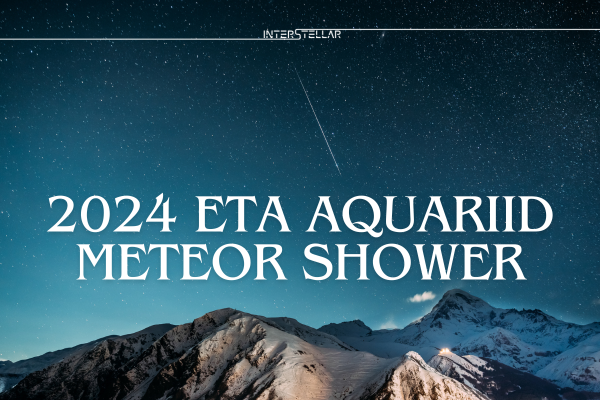
    Eta Aquariid Meteor Shower

    The Eta Aquariid meteor shower, an annual celestial event caused by Earth passing through debris from Halley’s Comet, peaks in early May. This meteor shower is notable for its fast-moving meteors and its origin from one of the most famous comets known, Halley’s Comet.

    What is a Meteor?
    A meteor, often referred to as a shooting star or falling star, is essentially space debris—rock and other material—that ignites as it enters Earth’s atmosphere, creating a visible streak of light. These are not actual stars but rather small bits of comet or asteroid material. Meteor showers like the Eta Aquariids occur annually when Earth moves through these debris trails during its orbit around the sun.

    Origins of the Eta Aquariid Meteor Shower
    Named after the Eta Aquarii star in the constellation Aquarius, the ‘water bearer,’ the Eta Aquariid meteor shower has its radiant point near this star. The constellation itself doesn’t influence the meteor shower beyond providing a point in the sky from which the shower appears to originate.

    Viewing the Eta Aquariid Meteor Shower
    The best time to witness this spectacle is from April 16 to May 27, with peak activity around May 5. During this peak, viewers can expect to see up to 30 meteors per hour. Viewing conditions are generally better in the Southern Hemisphere where the Aquarius constellation appears higher in the sky. For the best experience, it is recommended to find a dark location away from city lights during the pre-dawn hours.

    Halley’s Comet and the Eta Aquariids
    Halley’s Comet, which orbits the sun every 76 years and last visited in 1986, sheds debris that is responsible for the meteor shower. This comet will next be visible from Earth in 2061. The Eta Aquariids, along with the Orionid meteor shower in October, are both produced by debris from this famous comet.

    Meteor Speed and Visibility
    Eta Aquariid meteors are particularly fast, traveling at about 148,000 miles per hour. This high speed can result in long-lasting glowing streaks in the sky, known as “trains.” This year, interactions with Jupiter’s gravitational field are expected to enhance the meteor rates, making the Eta Aquariids an even more exciting event for stargazers.

    By understanding the best times and places to view, as well as the astronomical phenomena behind the Eta Aquariid meteor shower, enthusiasts can fully appreciate this impressive display in the night sky.

    Author

    • Kanika Sharma
      Kanika Sharma
      View all posts
    Featured
    Share. Facebook Twitter Pinterest LinkedIn Tumblr Email Reddit Telegram WhatsApp
    Kanika Sharma
    Kanika Sharma

      Keep Reading

      Social Media Bans Expand For Children Worldwide

      Perplexity Valuation Could Exceed $30 Billion

      Vatican Renewable Energy Plant To Power Holy See

      Terrier Cyber Quest 2026 Opens National Hackathon

      Firebase Banking Scams Prompt India Action Against Google

      China Indonesia Energy Technology Cooperation Expands

      Add A Comment
      Leave A Reply Cancel Reply

      Anti Drone System (CUAS)
      Latest Posts

      Forget FPIs. Follow the Earnings: Sanjay Bakshi on Investing in India

      November 12, 2026

      Beyond the Strait of Hormuz: The New Battle for Energy and Trade Security

      November 6, 2026

      India’s Working-Hour Rules: Why Factories Struggle to Scale

      October 29, 2026

      Vietnam vs India: What Must Change for India to Grow at 10%?

      October 22, 2026

      India’s Green Transition: Can Sustainability and Competitiveness Go Together?

      October 15, 2026

      Can A Weakening Indian Rupee Become A Global Currency?

      October 8, 2026

      India’s Resilience Is Facing A Perfect Storm

      October 1, 2026

      Why Are Indian MSMEs So Resilient?

      September 24, 2026

      9/11@25: How Terrorism Reshaped Global Geopolitics

      September 17, 2026

      The Indian Economy Keeps Beating Expectations

      September 10, 2026

      Subscribe to News

      Get the latest sports news from NewsSite about world, sports and politics.

      • Astronomical Events
      • Space Missions
      • Industry News
      • Science
      StratNewsGlobal Tech
      Facebook X (Twitter) Instagram LinkedIn YouTube
      © 2026 StratNews Global, A unit of BharatShakti Communications LLP
      • About Us
      • Contributors
      • Copyright
      • Contact
      • Write for Us

      Type above and press Enter to search. Press Esc to cancel.