

Close Menu
Stratnews GlobalStratnews Global
    Facebook X (Twitter) Instagram
    Trending
    • Ukraine Ready To Reciprocate If Russia Halts Energy Attacks
    • China Grants Conditional Approval For DeepSeek To Buy Nvidia H200 Chips
    • Apple Prioritises Premium iPhone Lineup For 2026 As Standard Model Faces Delay
    • Bitcoin Slides To Two Month Low As Fed Chair Speculation Weighs On Markets
    • China to Launch Space-Based AI Data Centres in Challenge to SpaceX
    • India’s Middle Class Is Trading Up—And It Changes Everything
    • India’s Social Media Market Booms Amid Growing Concerns Over Digital Addiction
    • Nvidia CEO Hopes China Will Approve Sales of Powerful H200 AI Chip
    Stratnews GlobalStratnews Global
    Write for Us
    Friday, January 30
    • Space
    • Science
    • AI and Robotics
    • Industry News
    Stratnews GlobalStratnews Global
    Home » Life on Mars: NASA’s Perseverance Rover Finds Potential Signs of Fossilized Microbial Remains

    Life on Mars: NASA’s Perseverance Rover Finds Potential Signs of Fossilized Microbial Remains

    StratNewsGlobal Tech TeamBy StratNewsGlobal Tech TeamJuly 29, 2024 Space No Comments3 Mins Read
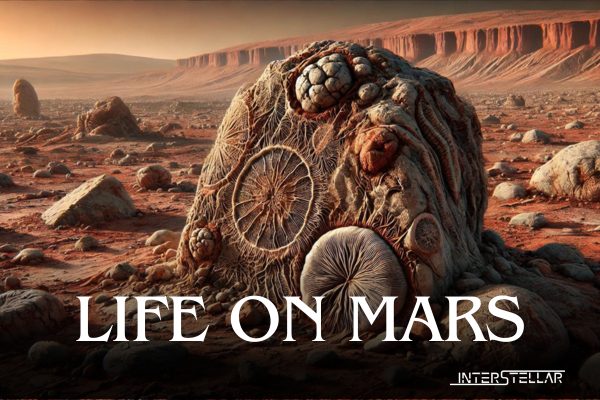
    Life on Mars

    Scientists Cautiously Optimistic About Potential Biosignature on Mars

    No Claims of Life Yet

    Scientists working with NASA’s Perseverance rover stress that they have not discovered life on Mars. However, a recently studied rock, nicknamed Cheyava Falls, could potentially contain fossilized microbial remains. The rover has drilled and stored a piece of the rock for future analysis on Earth, aiming to uncover more definitive answers.

    “What we are saying is that we have a potential biosignature on Mars,” said Kathryn Stack Morgan, the mission’s deputy project scientist. A biosignature refers to structures, compositions, or textures in a rock that could hint at a biological origin.

    Characteristics of Cheyava Falls

    Cheyava Falls exhibits fossilized microbial remains that might have been left when the area was warm and wet billions of years ago. The region was once an ancient river delta. Scientists clarified that they did not find actual fossilized organisms. Instead, they identified potential signs of past microbial life.

    Kenneth Farley, the mission’s project scientist, described Cheyava Falls as the most compelling rock they have collected so far. If the rock can be brought to Earth, it could help answer the question of whether life ever existed on Mars.

    Organic Compounds and Water Evidence

    Perseverance’s instruments detected organic compounds within the rock, which are essential for life as we know it. The rover also found calcium sulfate veins, indicating that flowing water once existed in the area. Liquid water is a crucial ingredient for life.

    Additionally, the rover observed small off-white splotches with black rings, resembling miniature leopard spots. These black rings contain iron phosphate, which could have provided energy for microbes to live on. Similar features can be seen in Red Rock Canyon near Las Vegas, where water and organic compounds caused chemical reactions that bleached parts of the red rocks white.

    Challenges in Confirming Biosignatures

    Despite these intriguing findings, the Perseverance rover’s limited capabilities mean scientists cannot provide conclusive evidence about the potential biosignature. The rover’s mission includes drilling samples of interesting rocks for a future mission to return to Earth. These samples can then be studied with advanced instruments in laboratories.

    However, the Mars sample return mission has faced significant delays and budget issues. NASA officials are seeking ideas from private companies to bring the rocks back sooner and at a lower cost. This will impact Perseverance’s ongoing explorations and how the samples are transferred to the return spacecraft.

    Future Plans for Perseverance

    Scientists have planned the next year and a half of Perseverance’s mission, which includes driving out of Jezero crater and onto its rim. The landing site at Jezero was chosen because a riverbed is thought to be the most likely place to find signs of ancient life. Despite over three years of exploration without uncovering any compelling biosignatures, the mission remains valuable for its geological findings.

    Leaving the riverbed does not end the search for past life. The impact that created Jezero crater likely formed hydrothermal systems along its rim, which could have provided habitable environments for life.

    Author

    • StratNewsGlobal Tech Team
      StratNewsGlobal Tech Team

      View all posts
    Featured
    Share. Facebook Twitter Pinterest LinkedIn Tumblr Email Reddit Telegram WhatsApp
    StratNewsGlobal Tech Team
    • Website

    Keep Reading

    Ukraine Ready To Reciprocate If Russia Halts Energy Attacks

    China Grants Conditional Approval For DeepSeek To Buy Nvidia H200 Chips

    Apple Prioritises Premium iPhone Lineup For 2026 As Standard Model Faces Delay

    Bitcoin Slides To Two Month Low As Fed Chair Speculation Weighs On Markets

    China to Launch Space-Based AI Data Centres in Challenge to SpaceX

    India’s Social Media Market Booms Amid Growing Concerns Over Digital Addiction

    Add A Comment
    Leave A Reply Cancel Reply

    Anti Drone System (CUAS)
    Latest Posts

    Ukraine Ready To Reciprocate If Russia Halts Energy Attacks

    January 30, 2026

    China Grants Conditional Approval For DeepSeek To Buy Nvidia H200 Chips

    January 30, 2026

    Apple Prioritises Premium iPhone Lineup For 2026 As Standard Model Faces Delay

    January 30, 2026

    Bitcoin Slides To Two Month Low As Fed Chair Speculation Weighs On Markets

    January 30, 2026

    China to Launch Space-Based AI Data Centres in Challenge to SpaceX

    January 29, 2026

    India’s Middle Class Is Trading Up—And It Changes Everything

    January 29, 2026

    India’s Social Media Market Booms Amid Growing Concerns Over Digital Addiction

    January 29, 2026

    Nvidia CEO Hopes China Will Approve Sales of Powerful H200 AI Chip

    January 29, 2026

    Nokia Chair Sari Baldauf To Step Down, Timo Ihamuotila Set To Succeed Her

    January 29, 2026

    Union Budget 2026–27: Space and Geospatial Industry Pushes for Tax Relief

    January 28, 2026

    Subscribe to News

    Get the latest sports news from NewsSite about world, sports and politics.

    • Astronomical Events
    • Space Missions
    • Industry News
    • Science
    StratNewsGlobal Tech
    Facebook X (Twitter) Instagram LinkedIn YouTube
    © 2026 StratNews Global, A unit of BharatShakti Communications LLP
    • About Us
    • Contributors
    • Copyright
    • Contact
    • Write for Us

    Type above and press Enter to search. Press Esc to cancel.