


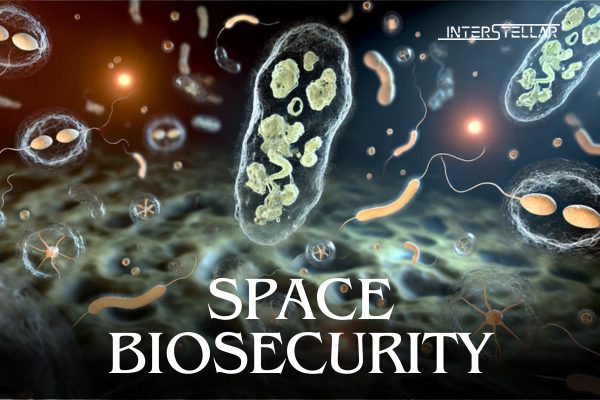
The Biological Threats of Intensifying Space Exploration
As humanity sets its sights on exploring the moons of Jupiter, Saturn, and the colonisation of Mars, we might be entering a new era of space exploration. However, with this ambition comes concerns, including one that has not received as much attention: Biological Threats.
The Hidden Risk of Microbial Contamination
A team of international invasion biologists published a paper in BioScience discussing the overlooked risk of extraterrestrial microbiological contamination. This isn’t the stereotypical “alien invasion” seen in science fiction, but the potential for Earth-based microbes to spread to other celestial bodies—and for extraterrestrial microbes to be introduced to Earth.
Though space agencies adhere to strict microbial controls, the potential risk of contamination may be greater than previously thought. Multiple spacecraft have been sent to places like the Moon, Mars, and asteroids, and terrestrial microbes may already inhabit some of these celestial bodies. Research has found bacterial strains in NASA’s clean rooms—used to build spacecraft—that resist disinfectants and radiation. Some of these organisms may have survived the journey to places like Mars.
If astrobiologists discover life on other planets, it will be crucial to distinguish between native organisms and those that may have hitched a ride from Earth on earlier missions.
Bringing Extraterrestrial Microbes Back to Earth
As space exploration intensifies, there is an increasing risk that alien microbes could be brought back to Earth. Manned missions, combined with plans to visit more celestial bodies, heighten this threat. The unknown nature of extraterrestrial life forms makes this a challenging and uncertain risk.
Professor Anthony Ricciardi, an invasive species biologist from McGill University and lead author of the paper, highlights that biological invasions are already a global biosecurity threat on Earth. An incident involving extraterrestrial microbes would require extensive international collaboration and strict biosecurity protocols.
The field of invasion science, which investigates the introduction of species outside their natural habitats, could offer insights into managing potential extraterrestrial biological threats. This field has already explored issues like rapid evolution and predator-prey dynamics, which may prove useful in space biosecurity efforts.
Preparing for Extraterrestrial Contamination
According to the researchers, existing protocols for handling invasive species on Earth can be adapted to manage the risks posed by extraterrestrial microbes. Systems like lakes and islands, which are isolated, are more vulnerable to biological invasions, and this insight could apply to space exploration.
The researchers suggest using portable DNA sequencing technologies combined with databases of known contaminants for rapid detection of microbial hazards. Early detection is crucial for managing potential biosecurity threats.
Despite the importance of biosecurity, invasion biologists have not yet been involved in the Committee on Space Research’s planning processes. The paper argues for greater collaboration between invasion biologists and astrobiologists to improve international protocols for planetary biosecurity. This would benefit both Earth and other celestial bodies that could harbour life.

