


India’s SpaDeX Mission: A Leap in Space Docking Technology
India’s SpaDeX mission aims to showcase cost-effective technology for in-space docking. This demonstration is pivotal for the country’s space ambitions, including lunar missions, sample returns, and the creation of the Bharatiya Antariksh Station (BAS). By mastering in-space docking, India moves closer to joining the elite group of four nations possessing this technology.
Key Objectives of the SpaDeX Mission
The SpaDeX mission seeks to achieve the following primary and secondary objectives:
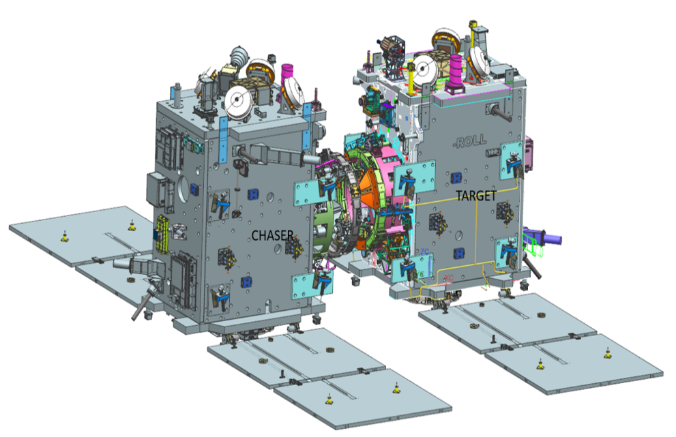
- Rendezvous, docking, and undocking demonstration: The mission involves two small spacecraft, SDX01 (Chaser) and SDX02 (Target), performing these manoeuvres in low-Earth orbit.
- Electric power transfer: Transferring power between docked spacecraft, a critical step for future missions involving in-space robotics.
- Composite spacecraft control: Demonstrating operational capabilities post-docking and undocking.
These milestones are essential for future missions requiring multiple rocket launches to accomplish a unified goal.
Mission Design and Execution
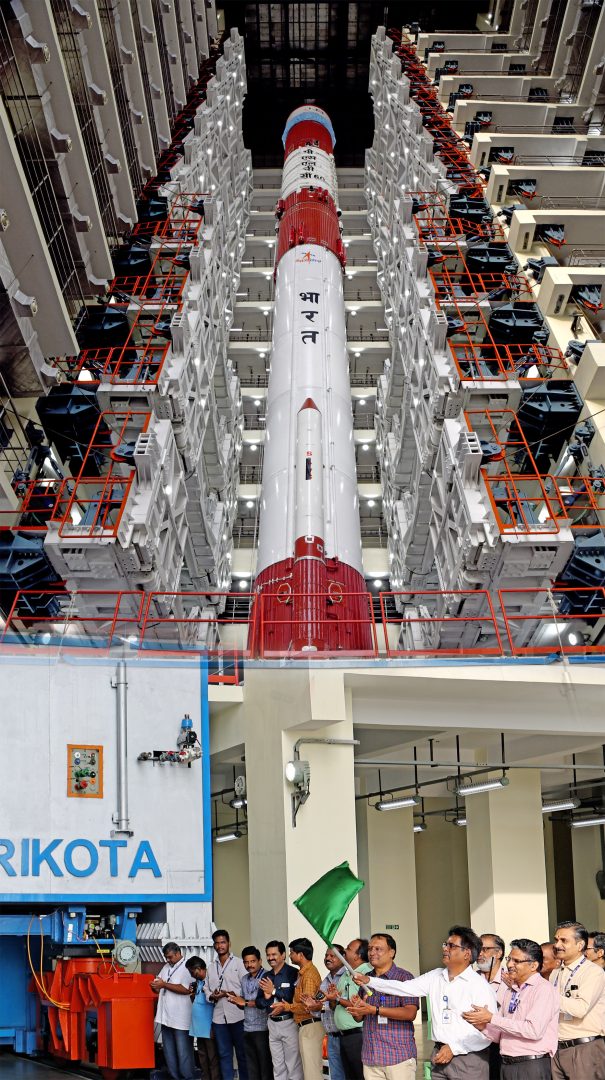
The SpaDeX mission features two identical spacecraft, each weighing approximately 220 kg. The PSLV-C60 rocket will launch them into a 470 km circular orbit at a 55° inclination. Initially separated by 10–20 km, the Chaser and Target spacecraft will gradually close this distance using precision manoeuvres.
- Far Rendezvous Stage: Starting with a 20 km separation, the Chaser and Target adjust their velocities to align in the same orbit.
- Progressive Approaches: The inter-satellite distance reduces in stages to 5 km, 1.5 km, 500 m, and smaller increments, culminating in docking at 3 m.
- Post-Docking Operations: After successful docking, power transfer will be tested before the satellites undock to operate their respective payloads.
Advanced Indigenous Technologies
Several groundbreaking technologies were developed for this mission:
- Docking Mechanism: A low-impact, compact docking system identical for both spacecraft.
- Sensor Suite: Laser range finders, rendezvous sensors, and proximity sensors ensure precise measurements during docking.
- RODP Processor: GNSS-based relative orbit determination enables accurate positioning.
- Rendezvous Algorithms: Sophisticated software guides the spacecraft during various approach phases.
Additionally, ISL-based GNSS systems facilitate inter-satellite communication, while advanced simulation test beds validate hardware and software integration.
Post-Mission Payload Applications
Post-docking, each satellite operates payloads tailored for unique applications:
- SDX01: Features a high-resolution camera for Earth imaging and surveillance.
- SDX02: Equipped with a multi-spectral payload for natural resource monitoring and vegetation studies, as well as a radiation monitor for collecting vital space data.
Future Prospects
SpaDeX’s success sets the stage for more complex missions like Chandrayaan-4, enabling autonomous docking without GNSS support. The innovations and data gathered will further support India’s ambitions in human spaceflight and deep-space exploration.
With the launch preparations underway, SpaDeX is a critical step in India’s journey to becoming a leader in space technology.
With inputs from Reuters