


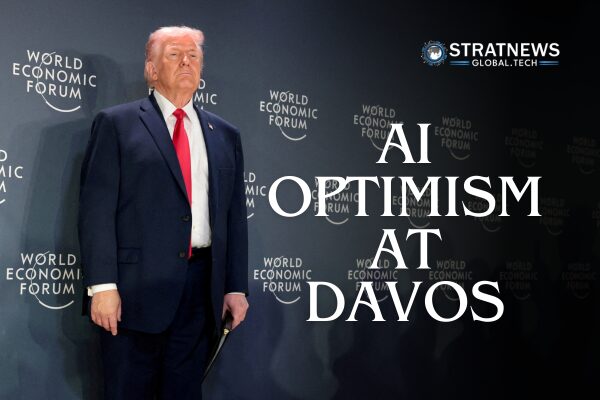
Business leaders in Davos brush off AI job fears amid optimism
Freezing temperatures, geopolitical unease and lingering doubts over artificial intelligence failed to dampen enthusiasm among business leaders at the World Economic Forum’s annual meeting in Davos. Executives gathering in the Swiss mountain resort repeatedly argued that technology, and AI in particular, would create more jobs than it destroys.
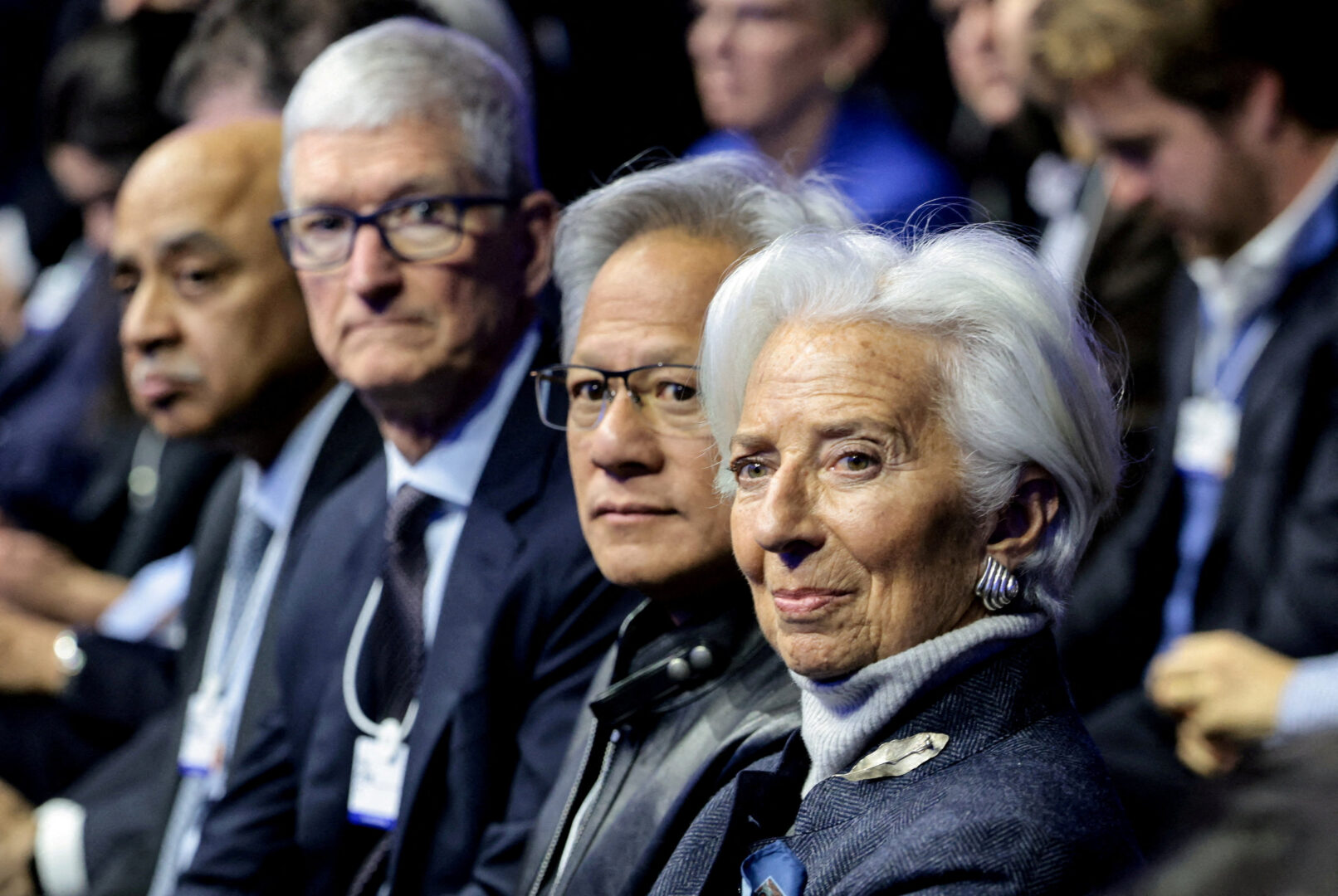
Senior figures acknowledged that some roles would disappear. However, they stressed that new positions would emerge across industries. Two executives told Reuters that some companies were already planning layoffs and were using AI as a convenient justification.
Tech leaders tout job creation potential
Prominent advocates of AI’s rapid expansion, including Nvidia chief executive Jensen Huang, painted a bullish picture. They argued that the technology would not only benefit software engineers but also raise pay and demand for skilled trades such as plumbers, electricians and steelworkers.
“Energy is creating jobs. The chips industry is creating jobs. The infrastructure layer is creating jobs,” Huang told delegates. He summed up his view simply: “Jobs, jobs, jobs.”
That optimism stood in contrast to broader political tensions. Until recently, a potential trade dispute had loomed over Davos. Those fears eased after US President Donald Trump struck a deal to avert tariffs and avoid a security decoupling with Europe over Greenland.
Scepticism simmers beneath the surface
Despite upbeat rhetoric, unease about AI remained evident. Delegates discussed risks ranging from chatbots triggering psychological harm to concerns over labour displacement. Union leaders questioned whether recent technological gains truly benefit workers.
“AI is being sold as a productivity tool, which often means doing more with fewer workers,” said Christy Hoffman, general secretary of UNI Global Union.
Focus turns to returns on investment
Some executives said the debate was shifting from experimentation to tangible results. Matthew Prince, chief executive of Cloudflare, told Reuters that AI would continue advancing despite market volatility. He also warned that unchecked dominance by autonomous agents could harm small businesses.
Others argued that companies were finally seeing payoffs. IBM executive Rob Thomas said AI had reached a stage where firms could automate tasks and processes at scale. Even so, doubts remain. PwC said only one in eight CEOs it surveyed believed AI was currently lowering costs and boosting revenue.
Still, practical examples emerged. BNY said AI cut client onboarding research from two days to 10 minutes. Cisco executives said projects once deemed too laborious were now completed in weeks.
Job anxiety persists
Some companies insist AI supports growth without shrinking workforces. BlackRock said it aimed to keep headcount flat while expanding. Elsewhere, job fears lingered as Amazon planned further corporate cuts.
Microsoft co founder Bill Gates urged governments and workers to prepare for disruption while embracing opportunity. “There certainly are problems,” he said. “But they’re all solvable.”
With inputs from Reuters