


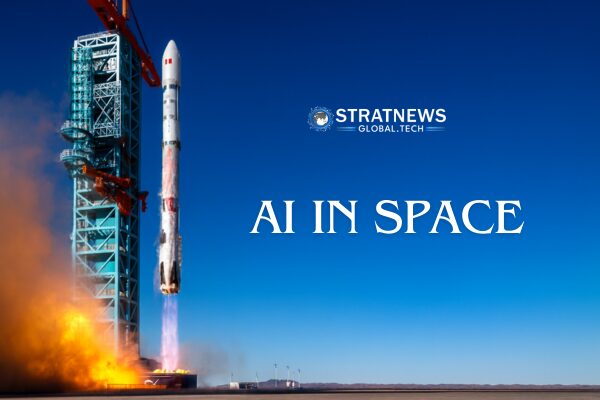
Artificial intelligence is beginning to reshape how humanity explores and operates in space. For decades, space has acted as the most demanding testing ground for technology. Systems must survive radiation, extreme temperatures, and the vacuum beyond Earth. Today, however, artificial intelligence offers new capabilities for satellites, spacecraft, and planetary missions.
This shift creates major opportunities. Yet success will depend on strong collaboration between hardware developers and space agencies. Both groups must design, test, and validate technologies that can survive the harsh realities of space.
AI Applications in Space Missions
Artificial intelligence can improve how spacecraft process information and operate independently. For example, Earth observation satellites collect huge volumes of data from sensors and cameras. AI systems could analyse these images directly onboard. Consequently, satellites could select the most important data before sending it back to Earth.
This approach would reduce the need to transmit large volumes of raw data. Moreover, it could accelerate responses to weather events, environmental changes, or disasters.
AI can also strengthen vehicle autonomy. Communication delays often limit real time control of spacecraft and rovers. Therefore, onboard AI could allow vehicles to make rapid decisions without waiting for instructions from Earth. Spacecraft could avoid collisions or perform docking operations more safely. Similarly, planetary rovers could detect obstacles and adjust their path immediately.
Another important application involves system monitoring. AI tools could analyse equipment behaviour continuously. As a result, they could predict potential failures before critical thresholds appear.
Engineering Challenges in the Space Environment
Despite these benefits, deploying AI hardware in space presents serious engineering challenges. Space systems must operate for years without repair. Unlike data centres on Earth, engineers cannot replace faulty components during a mission.
Therefore hardware designers must rethink processor architecture and system design. Commercial AI chips often focus on maximum performance. However space missions demand reliability, radiation protection, and long operational life.
Several technical constraints shape this effort. High performance computing remains necessary for demanding tasks such as real time image analysis. Meanwhile systems must also operate within strict power limits. Engineers must design processors that deliver strong performance while consuming minimal energy.
Environmental conditions add further complexity. Spacecraft experience intense radiation and extreme temperatures. Radiation can trigger memory errors or hardware failures. Moreover complex AI processors may produce subtle data corruption instead of obvious crashes.
Supply Chains and Long Term Support
Space missions also require reliable supply chains and long term software support. Components must remain available for many years. Likewise software tools, drivers, and development systems must remain supported throughout mission lifecycles.
Therefore hardware suppliers must maintain clear product roadmaps and stable sourcing strategies. Strong supply resilience reduces risks for long duration space missions.
Greater cooperation between industry and space agencies will accelerate progress. Companies often drive rapid AI innovation for commercial markets. Meanwhile space agencies possess deep expertise in radiation testing and system reliability.
Partnerships between these groups can combine innovation with mission experience. Such cooperation can help develop AI technologies that operate reliably in space. As a result, future missions may achieve new levels of autonomy, data analysis, and scientific discovery.