


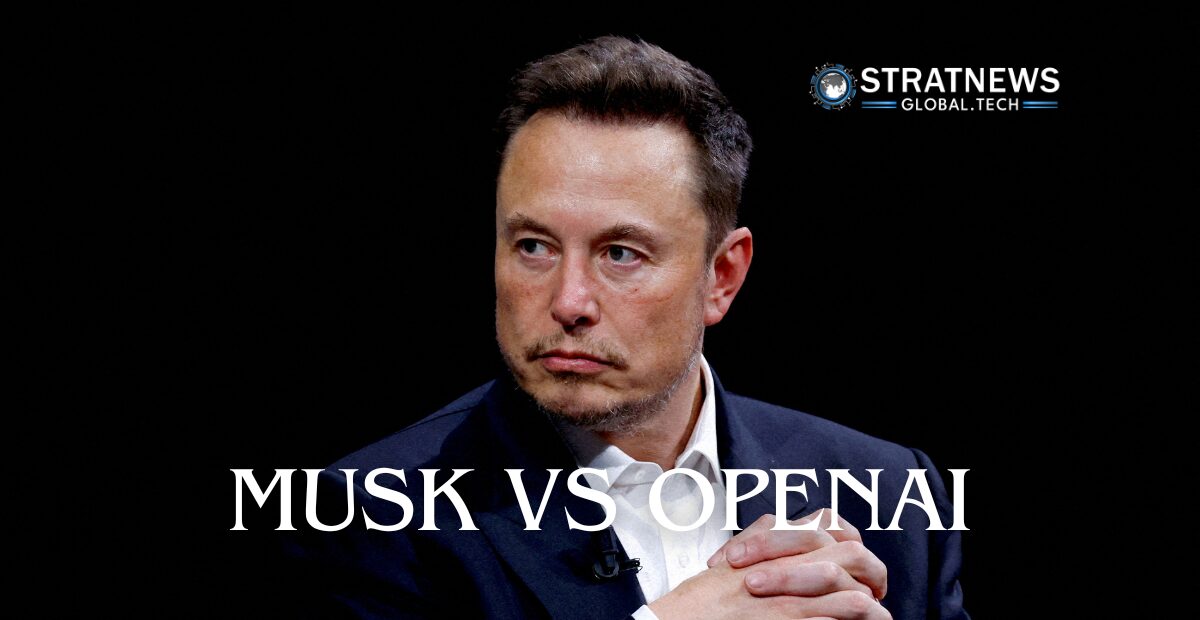
U.S. Jury Rejects Elon Musk Lawsuit Against OpenAI
A U.S. jury on Monday ruled against Elon Musk in his lawsuit against OpenAI, finding that the artificial intelligence firm was not liable for allegedly abandoning its original mission to benefit humanity.
The unanimous verdict came in federal court in Oakland, California. Jurors concluded that Musk had filed the case too late under California’s statute of limitations. The jury deliberated for less than two hours before reaching its decision.
Jury Focuses on Filing Deadline
Legal experts said the case largely turned on timing rather than the broader debate surrounding artificial intelligence governance.
Stavros Gadinis, George R. Johnson Professor of Law at the University of California Berkeley, said California’s general statute of limitations of three years created a significant hurdle for Musk’s legal team.
He explained that Musk needed to persuade jurors to exercise an equitable power to correct an alleged wrong. However, Gadinis noted that such arguments become harder to sustain when a plaintiff waits years before bringing legal action after learning of the alleged misconduct.
As a result, the jury determined that the lawsuit had not been filed within the required legal timeframe.
OpenAI Gains Clearer Path for Expansion
The verdict removes a major legal obstacle for OpenAI as the company explores future growth plans, including a possible initial public offering that could reportedly value the business at $1 trillion.
However, the trial also exposed internal tensions at the company. Several witnesses offered deeply personal testimony about OpenAI leadership, with multiple individuals describing Chief Executive Sam Altman as dishonest during proceedings.
Even so, the ruling strengthens OpenAI’s position as competition intensifies across the artificial intelligence industry.
Case May Influence Future AI Disputes
Legal analysts believe the lawsuit could still shape future disputes involving artificial intelligence companies and corporate governance.
Gadinis said firms such as OpenAI and Anthropic face similar structural challenges. These companies require enormous capital investment while operating in a rapidly evolving field with potentially catastrophic risks and limited government regulation.
According to Gadinis, the combination of high financial demands, technological acceleration, and regulatory uncertainty will likely produce similar legal conflicts in the future. Therefore, the case may serve as an important benchmark for future litigation involving AI companies.
Musk Considers Appeal
Following the verdict, Musk’s lawyers stated in court that he reserved the right to appeal the decision.
Attorney Marc Toberoff later told reporters that Musk would have a strong basis for an appeal despite the jury’s ruling.
Meanwhile, U.S. District Judge Yvonne Gonzalez Rogers cautioned that any appeal could face difficulties because the statute of limitations issue involved factual findings already considered by the jury.
With inputs from Reuters

