

Close Menu
Stratnews GlobalStratnews Global
    Facebook X (Twitter) Instagram
    Trending
    • Bitcoin 16-Month Low Tests $60,000 Amid Global Selloff
    • Intel AMD CPU Shortages Hit China Amid AI Demand Surge
    • Wistron Sees AI Orders Rising
    • India Nuclear Power Capacity Set to Expand to 22,000 MW by 2032
    • NASA Artemis II Mission Delayed to March After Rocket Fueling Issues
    • Germany Plans €35 Billion Military Space Push to Counter Russia and China
    • Super Bowl LX Cybersecurity and Wi-Fi Upgrade Transforms Levi’s Stadium
    • Memory Shortages Weigh on Smartphone Chip Sales
    Stratnews GlobalStratnews Global
    Write for Us
    Sunday, February 8
    • Space
    • Science
    • AI and Robotics
    • Industry News
    Stratnews GlobalStratnews Global
    Home » ‘Antarctica Metaverse’, a New Video Game, Brings Antarctic Science to the Public

    ‘Antarctica Metaverse’, a New Video Game, Brings Antarctic Science to the Public

    StratNewsGlobal Tech TeamBy StratNewsGlobal Tech TeamJune 14, 2024Updated:June 26, 2024 Economy & Culture No Comments3 Mins Read
    Antarctica Metaverse

    “Antarctica Metaverse” Video Game Makes Antarctic Science Accessible

    Exploring Antarctic Ecosystems Through Virtual Reality

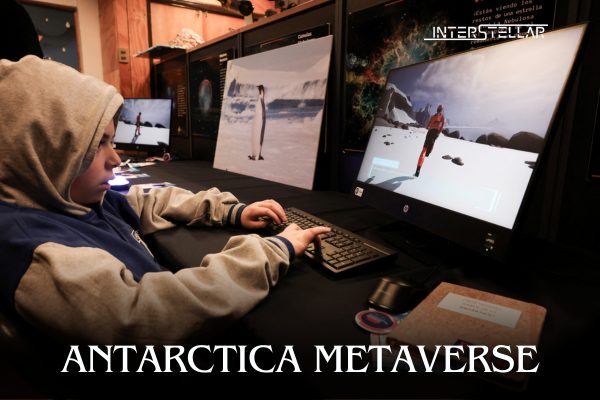
    Developed by the University of Chile’s video game laboratory, “Antarctica Metaverse” is an innovative video game that allows players to explore various ecosystems, conduct scientific diving, sample native species, complete scientific logs, and detect pollution. This engaging approach aims to safeguard the region’s biodiversity by raising awareness about environmental issues.

    Victor Fajnzylber, the director of Antarctica Metaverse, explained that the game leverages video game languages and virtual reality to make Antarctic science accessible to a broader audience. The game features futuristic elements that project what pollution might look like in a decade and how climate change could impact life in Antarctica’s terrestrial and underwater ecosystems.

    Encouraging Scientific Inquiry and Personal Reflection

    Fajnzylber highlighted the game’s goal to encourage players to form their own hypotheses about the world they discover, fostering personal reflections on biodiversity and climate change. “Antarctica Metaverse” is set in 2035 and imagines a future where players can explore and think critically about the impact of pollution and climate change on the continent.

    “We were able to create a language that allows a diversity of scientific experiences and a wonderful creative artistic process that combines disciplines such as audiovisual, sound, animation, engineering, and architecture,” Fajnzylber said. “All of this is combined in an intuitive, open video game, where players can explore freely and create their own hypotheses about what is happening on this continent during their visit.”

    Collaboration with Scientists

    Dr. Elie Poulin, director of the Instituto Milenio BASE (Millennium Base Institute), emphasized the collaboration with researchers to bring accurate scientific knowledge to the game. “The information on the species living in Antarctica, as well as scientific research, resulted from the collaboration with many researchers from the Millennium Institute base to bring that knowledge to the game. Knowing the species, its environment, and the dangers that particular species face due to climate change,” Poulin said.

    Educational Impact

    The game’s educational potential was highlighted by teacher Jose Abdala, who noted that “Antarctica Metaverse” can help players understand the dynamics of scientific research processes. “It demonstrates how research and exploration are carried out on environmental issues and helps us learn about an area that, unfortunately, not all Chileans have the chance to know,” Abdala stated.

    The game is available for free download, making it accessible to a wide audience and providing an interactive platform for learning about the unique and fragile ecosystems of Antarctica.

    Author

    • StratNewsGlobal Tech Team
      StratNewsGlobal Tech Team

      View all posts
    Featured
    Share. Facebook Twitter Pinterest LinkedIn Tumblr Email Reddit Telegram WhatsApp
    StratNewsGlobal Tech Team
    • Website

    Keep Reading

    Bitcoin 16-Month Low Tests $60,000 Amid Global Selloff

    Intel AMD CPU Shortages Hit China Amid AI Demand Surge

    Wistron Sees AI Orders Rising

    India Nuclear Power Capacity Set to Expand to 22,000 MW by 2032

    NASA Artemis II Mission Delayed to March After Rocket Fueling Issues

    Germany Plans €35 Billion Military Space Push to Counter Russia and China

    Add A Comment
    Leave A Reply Cancel Reply

    Anti Drone System (CUAS)
    Latest Posts

    Bitcoin 16-Month Low Tests $60,000 Amid Global Selloff

    February 6, 2026

    Intel AMD CPU Shortages Hit China Amid AI Demand Surge

    February 6, 2026

    Wistron Sees AI Orders Rising

    February 6, 2026

    India Nuclear Power Capacity Set to Expand to 22,000 MW by 2032

    February 6, 2026

    NASA Artemis II Mission Delayed to March After Rocket Fueling Issues

    February 6, 2026

    Germany Plans €35 Billion Military Space Push to Counter Russia and China

    February 6, 2026

    Super Bowl LX Cybersecurity and Wi-Fi Upgrade Transforms Levi’s Stadium

    February 6, 2026

    Memory Shortages Weigh on Smartphone Chip Sales

    February 6, 2026

    Third Launch Pad Construction Set for March 2029 Completion

    February 6, 2026

    Slovenia Social Media Ban Planned for Children Under 15

    February 6, 2026

    Subscribe to News

    Get the latest sports news from NewsSite about world, sports and politics.

    • Astronomical Events
    • Space Missions
    • Industry News
    • Science
    StratNewsGlobal Tech
    Facebook X (Twitter) Instagram LinkedIn YouTube
    © 2026 StratNews Global, A unit of BharatShakti Communications LLP
    • About Us
    • Contributors
    • Copyright
    • Contact
    • Write for Us

    Type above and press Enter to search. Press Esc to cancel.