

Close Menu
Stratnews GlobalStratnews Global
    Facebook X (Twitter) Instagram
    Trending
    • A Decade of Startup India: Driving Innovation and Inclusive Growth
    • Japan Probes Elon Musk’s Grok AI Over Inappropriate Image Generation
    • TikTok to Roll Out Age-Detection Technology Across Europe Amid Regulatory Scrutiny
    • India to Raise Foreign Investment Cap in Defence Sector to 74%
    • CSIR Expands National Skill Training Under Integrated Initiative
    • U.S. Senate Passes Major Science Funding Bill, Rejects Trump’s Cuts
    • BBC to Partner with YouTube for Original Programming, FT Reports
    • Viettel Launches Construction of Vietnam’s First Semiconductor Plant
    Stratnews GlobalStratnews Global
    Write for Us
    Friday, January 16
    • Space
    • Science
    • AI and Robotics
    • Industry News
    Stratnews GlobalStratnews Global
    Home » China Launches First Satellites in Bid to Rival SpaceX’s Starlink

    China Launches First Satellites in Bid to Rival SpaceX’s Starlink

    ReshamBy ReshamAugust 6, 2024Updated:August 6, 2024 Security & Politics No Comments2 Mins Read
    China

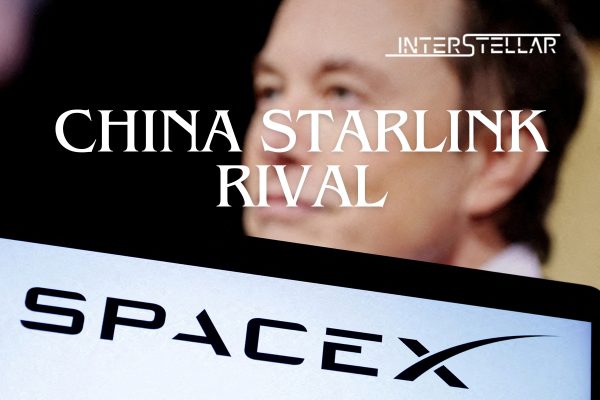
    China Launches First Batch of Satellites to Rival SpaceX’s Starlink

    A Chinese state-owned enterprise launched the first batch of satellites for a megaconstellation on Monday, aiming to compete with SpaceX’s Starlink network. This move is a significant step for China to create its version of the near-global internet network, currently dominated by Starlink. The state-backed newspaper reported this development.

    China’s Strategic Ambitions and Military Implications

    The launch signifies an essential advancement in China’s strategic ambitions. Starlink, a commercial broadband constellation with around 5,500 satellites, serves consumers, companies, and government agencies globally. China’s initiative aims to match and potentially surpass this network. The race to control Earth’s lower orbits has notable military implications, potentially affecting the power dynamics between nations during conflicts.

    The Launch Details and “Thousand Sails Constellation” Plan

    The Shanghai Spacecom Satellite Technology (SSST) led the launch at the Taiyuan Satellite Launch Centre. This facility, one of China’s primary satellite and missile launch centres, is located in Shanxi province. The launch is part of SSST’s ambitious “Thousand Sails Constellation” plan, also known as the “G60 Starlink Plan.” This initiative, which began last year, aims to deploy over 15,000 low Earth orbit (LEO) satellites.

    LEO satellites, operating at altitudes between 300km and 2,000km from Earth’s surface, are more cost-effective and provide better transmission efficiency compared to satellites in higher orbits.

    Starlink’s Current Status and Chinese Concerns

    Starlink, operated by Elon Musk, currently serves tens of thousands of users in the US. It plans to expand significantly, adding tens of thousands more satellites to its network, which is the largest of its kind. Chinese military researchers have studied Starlink’s deployment in the Ukraine conflict over the past two years. They have repeatedly expressed concerns about the risks it could pose to China in a potential military conflict with the US.

    Conclusion

    China’s satellite launch marks a critical milestone in its quest to establish a robust internet network, rivaling SpaceX’s Starlink. With significant military and strategic implications, this development highlights the intensifying competition to dominate space technology and secure strategic advantages.

    Author

    • Resham
      Resham

      Research Associate at Interstellar.| China Scholar | China Social Media & Foreign Affairs|

      View all posts
    Featured
    Share. Facebook Twitter Pinterest LinkedIn Tumblr Email Reddit Telegram WhatsApp
    Resham
    • X (Twitter)

    Research Associate at Interstellar.| China Scholar | China Social Media & Foreign Affairs|

    Keep Reading

    A Decade of Startup India: Driving Innovation and Inclusive Growth

    Japan Probes Elon Musk’s Grok AI Over Inappropriate Image Generation

    TikTok to Roll Out Age-Detection Technology Across Europe Amid Regulatory Scrutiny

    India to Raise Foreign Investment Cap in Defence Sector to 74%

    CSIR Expands National Skill Training Under Integrated Initiative

    U.S. Senate Passes Major Science Funding Bill, Rejects Trump’s Cuts

    Add A Comment
    Leave A Reply Cancel Reply

    Anti Drone System (CUAS)
    Latest Posts

    A Decade of Startup India: Driving Innovation and Inclusive Growth

    January 16, 2026

    Japan Probes Elon Musk’s Grok AI Over Inappropriate Image Generation

    January 16, 2026

    TikTok to Roll Out Age-Detection Technology Across Europe Amid Regulatory Scrutiny

    January 16, 2026

    India to Raise Foreign Investment Cap in Defence Sector to 74%

    January 16, 2026

    CSIR Expands National Skill Training Under Integrated Initiative

    January 16, 2026

    U.S. Senate Passes Major Science Funding Bill, Rejects Trump’s Cuts

    January 16, 2026

    BBC to Partner with YouTube for Original Programming, FT Reports

    January 16, 2026

    Viettel Launches Construction of Vietnam’s First Semiconductor Plant

    January 16, 2026

    Madhya Pradesh Hosts Regional AI Conference Showcasing Governance Innovation

    January 16, 2026

    Asian Shares Climb as AI Boom Revives; Dollar Near Six-Week High

    January 16, 2026

    Subscribe to News

    Get the latest sports news from NewsSite about world, sports and politics.

    • Astronomical Events
    • Space Missions
    • Industry News
    • Science
    StratNewsGlobal Tech
    Facebook X (Twitter) Instagram LinkedIn YouTube
    © 2026 StratNews Global, A unit of BharatShakti Communications LLP
    • About Us
    • Contributors
    • Copyright
    • Contact
    • Write for Us

    Type above and press Enter to search. Press Esc to cancel.