


Close Menu
Stratnews GlobalStratnews Global
    Facebook X (Twitter) Instagram
    Trending
    • Nostalgia Rules CES 2026 as Retro Gadgets Capture Hearts Across Generations
    • China Clarifies Japan Export Ban Targets Military Use Only
    • Lego Launches Smart Brick and Star Wars Sets at CES 2026
    • HIROH Secure SmartPhone and Samsung’s TriFold Lead Smartphone Innovations at CES 2026
    • Japanese Chemical Stocks Drop as China Probes Chipmaking Material Imports
    • NASA Mulls Early Crew-11 Return from ISS After Astronaut’s Medical Concern
    • AI and Defence Industries to Drive 50% Jump in Copper Demand by 2040, Says S&P
    • Indian IT Firms Face Another Weak Quarter as US Demand Stalls
    Stratnews GlobalStratnews Global
    Write for Us
    Thursday, January 8
    • Space
    • Science
    • AI and Robotics
    • Industry News
    Stratnews GlobalStratnews Global
    Home » Agnikul Cosmos Launches First Agnibaan Rocket

    Agnikul Cosmos Launches First Agnibaan Rocket

    Kanika SharmaBy Kanika SharmaMay 30, 2024Updated:May 30, 2024 Industry News No Comments2 Mins Read
    Agnikul Cosmos
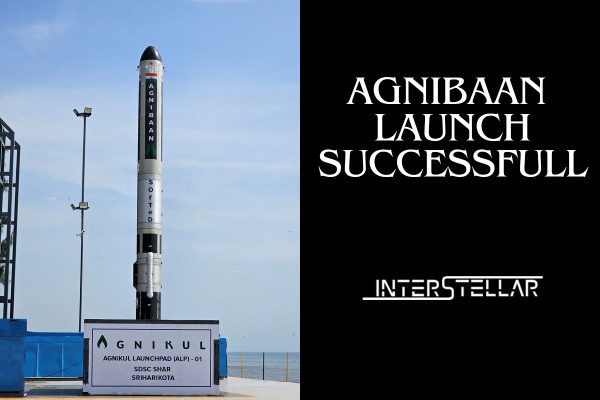
    Agnibaan SubOrbital Technological Demonstrator (SOrTeD), vehicle is seen at Agnikul's Launchpad at Satish Dhawan Space Center in Sriharikota.

    Successful Launch of Agnibaan Rocket

    India’s Agnikul Cosmos successfully launched its Agnibaan rocket for the first time on Thursday. This marks a significant milestone as it is powered by the only Indian rocket engine using both gas and liquid fuel. This event represents the country’s second flight of a privately built rocket.

    Overcoming Challenges

    The Agnibaan’s first flight faced multiple delays, with four cancellations in the last two months due to technical issues. The most recent cancellation occurred on Tuesday, just five seconds before lift-off. Despite these setbacks, the rocket finally took off on Thursday.

    Flight Details and Achievements

    The Agnibaan is a customisable, two-stage launch vehicle designed to carry a payload of up to 300 kg (661 lb) into an orbit around 700 kilometres (435 miles) altitude. On this maiden flight, it flew for two minutes, reaching a maximum altitude, or apogee, of 8,076 metres before descending into the ocean.

    “All the mission objectives of this controlled vertical ascent flight were met and performance was nominal,” the company announced.

    Significance for Indian Space Technology

    This launch is particularly notable as the Indian Space Research Organisation (ISRO) has yet to successfully fly a rocket with a “semi-cryogenic” engine. ISRO highlighted the achievement on social media, describing it as a “major milestone” and the first-ever controlled flight of a semi-cryogenic liquid engine realised through additive manufacturing.

    Testing Innovations

    The suborbital flight aimed to test the new engine and 3D-printed parts. This advancement signifies a crucial step in India’s space technology capabilities.

    Support and Optimism

    Pawan K Goenka, chairman of the Indian National Space Promotion and Authorisation Centre (IN-SPACe), praised the event as a “historic moment.” The Indian Space Association (ISpA) expressed that the launch would “bolster global confidence” in the country’s private space industry.

    Government Support for Space Sector

    Prime Minister Narendra Modi has been advocating for the privatisation and commercialisation of India’s space sector in recent years. India’s first privately developed rocket, by the company Skyroot, was launched in 2022.

    About Agnikul Cosmos

    Agnikul Cosmos, founded in 2017, is named after the Hindi and Sanskrit word for fire. The company operates India’s first private launchpad and mission control centre, distinct from other launchpads managed by ISRO.

    Author

    • Kanika Sharma
      Kanika Sharma

      View all posts
    Featured
    Share. Facebook Twitter Pinterest LinkedIn Tumblr Email Reddit Telegram WhatsApp
    Kanika Sharma
    Kanika Sharma

      Keep Reading

      Nostalgia Rules CES 2026 as Retro Gadgets Capture Hearts Across Generations

      China Clarifies Japan Export Ban Targets Military Use Only

      Lego Launches Smart Brick and Star Wars Sets at CES 2026

      HIROH Secure SmartPhone and Samsung’s TriFold Lead Smartphone Innovations at CES 2026

      Japanese Chemical Stocks Drop as China Probes Chipmaking Material Imports

      NASA Mulls Early Crew-11 Return from ISS After Astronaut’s Medical Concern

      Add A Comment
      Leave A Reply Cancel Reply

      Anti Drone System (CUAS)
      Latest Posts

      Nostalgia Rules CES 2026 as Retro Gadgets Capture Hearts Across Generations

      January 8, 2026

      China Clarifies Japan Export Ban Targets Military Use Only

      January 8, 2026

      Lego Launches Smart Brick and Star Wars Sets at CES 2026

      January 8, 2026

      HIROH Secure SmartPhone and Samsung’s TriFold Lead Smartphone Innovations at CES 2026

      January 8, 2026

      Japanese Chemical Stocks Drop as China Probes Chipmaking Material Imports

      January 8, 2026

      NASA Mulls Early Crew-11 Return from ISS After Astronaut’s Medical Concern

      January 8, 2026

      AI and Defence Industries to Drive 50% Jump in Copper Demand by 2040, Says S&P

      January 8, 2026

      Indian IT Firms Face Another Weak Quarter as US Demand Stalls

      January 8, 2026

      Chinese Tech Firms Soar in Hong Kong Debut Amid Intensifying US–China Tech Race

      January 8, 2026

      UK Regulator Probes X and xAI Over AI-Generated Abusive Images

      January 8, 2026

      Subscribe to News

      Get the latest sports news from NewsSite about world, sports and politics.

      • Astronomical Events
      • Space Missions
      • Industry News
      • Science
      StratNewsGlobal Tech
      Facebook X (Twitter) Instagram LinkedIn YouTube
      © 2026 StratNews Global, A unit of BharatShakti Communications LLP
      • About Us
      • Contributors
      • Copyright
      • Contact
      • Write for Us

      Type above and press Enter to search. Press Esc to cancel.