

Close Menu
Stratnews GlobalStratnews Global
    Facebook X (Twitter) Instagram
    Trending
    • Alphabet AI Leadership Overhaul Reshapes DeepMind
    • China Plans Computing Satellites by 2032
    • AI Gaming Drives China’s Game Development
    • Shenzhou-21 Mission Sets 210-Day Space Record
    • North Korea Cyber Claims Rejected by Pyongyang
    • AI Security Tests Reveal Fake AI Identities
    • Taiwan Tech Recruitment Probe Targets Chinese Firms
    • Chinese Chip Equipment Tested by Samsung and SK Hynix
    • Support Us
    Stratnews GlobalStratnews Global
    Write for Us
    Thursday, August 6
    • Space
    • Science
    • AI and Robotics
    • Industry News
    • Support Us
    Stratnews GlobalStratnews Global
    Home » China Plans Computing Satellites by 2032

    China Plans Computing Satellites by 2032

    ReshamBy ReshamAugust 6, 2026 Space No Comments3 Mins Read
    Computing Satellites by 2032

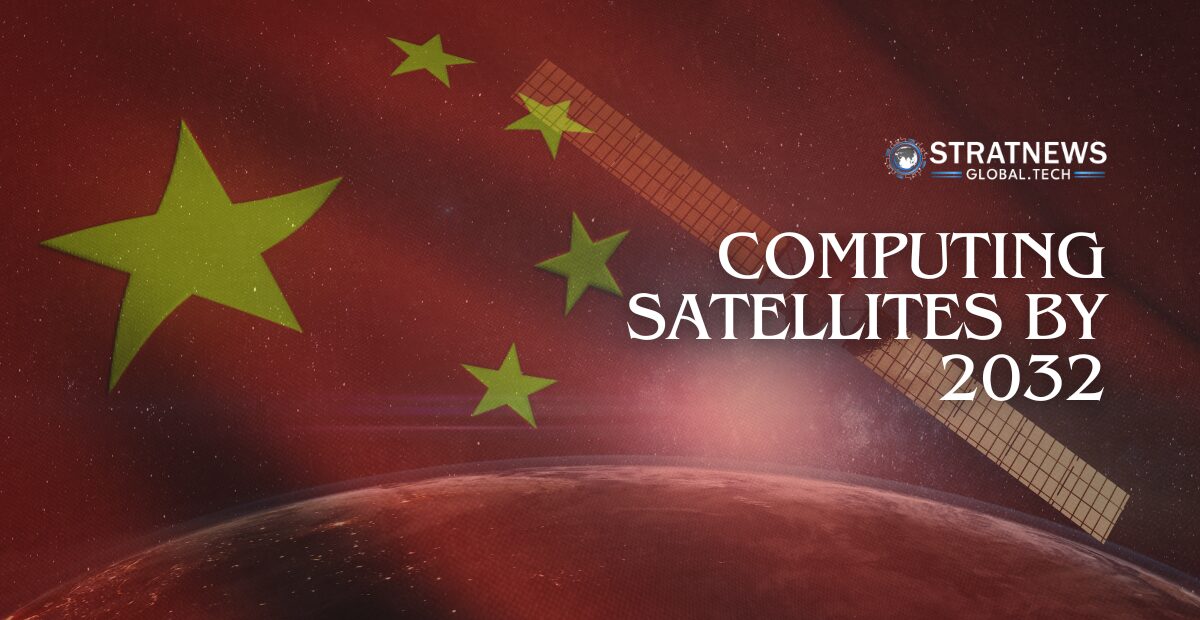
    China Plans 1,000 Computing Satellites to Expand Global AI Infrastructure by 2032

    China aims to deploy 1,000 general-purpose computing satellites by 2032 as part of a long-term strategy to make artificial intelligence as widely available as water and electricity, according to a leading Chinese expert. The proposal reflects the country’s growing focus on space-based computing, which has become one of the most closely watched areas in the global AI industry.

    Space computing has emerged as one of the fastest-growing topics in artificial intelligence. As demand for advanced computing continues to increase, researchers are exploring new ways to deliver greater processing capacity beyond traditional ground-based infrastructure.

    Wang Jian Outlines Vision for Computing Satellites

    The project was proposed by Wang Jian, director of Zhejiang Lab. He said the initiative highlights the direction China intends to take in developing future AI infrastructure.

    According to Wang, the next generation of satellites will become general-purpose computing platforms rather than devices designed for a single function. He explained that integrating AI models directly into satellites would significantly expand their capabilities.

    He said future satellites will be general-purpose satellites. Furthermore, by applying AI models to satellites, their versatility will increase considerably. As a result, he described the shift as a dramatic structural change. He also noted that AI has advanced from single-task models to general foundation models, making this transformation possible.

    Computing Satellites Could Become Essential Infrastructure

    Wang believes that once enough computing satellites are deployed, they will no longer be viewed as individual technological products. Instead, they will form a new type of infrastructure capable of supporting a broad range of users.

    He explained that infrastructure should be understood in the same way as water or electricity. First, it must be something that everyone needs. Second, it should provide extensive coverage. Third, it has to become affordable enough for widespread use.

    Scale Seen as Key to Lower Costs

    Wang also stressed that achieving sufficient scale is essential to the success of the project. He argued that expanding the network would allow more people to benefit from the technology. In turn, serving a larger number of users would create opportunities to reduce costs and improve accessibility.

    His comments underline the belief that large-scale deployment will determine whether space-based computing can develop into a practical and affordable service. Consequently, the proposed satellite network is intended not only to strengthen computing capacity but also to support broader access to AI technologies over the coming years.

    With inputs from Reuters

    Author

    • Resham
      Resham

      Research Associate at Interstellar.| China Scholar | China Social Media & Foreign Affairs|

      View all posts
    Featured Global Industry Space
    Share. Facebook Twitter Pinterest LinkedIn Tumblr Email Reddit Telegram WhatsApp
    Resham
    • X (Twitter)

    Research Associate at Interstellar.| China Scholar | China Social Media & Foreign Affairs|

    Keep Reading

    Alphabet AI Leadership Overhaul Reshapes DeepMind

    AI Gaming Drives China’s Game Development

    Shenzhou-21 Mission Sets 210-Day Space Record

    North Korea Cyber Claims Rejected by Pyongyang

    AI Security Tests Reveal Fake AI Identities

    Taiwan Tech Recruitment Probe Targets Chinese Firms

    Add A Comment
    Leave A Reply Cancel Reply

    Anti Drone System (CUAS)
    Latest Posts

    Alphabet AI Leadership Overhaul Reshapes DeepMind

    August 6, 2026

    China Plans Computing Satellites by 2032

    August 6, 2026

    AI Gaming Drives China’s Game Development

    August 6, 2026

    Shenzhou-21 Mission Sets 210-Day Space Record

    August 6, 2026

    North Korea Cyber Claims Rejected by Pyongyang

    August 5, 2026

    AI Security Tests Reveal Fake AI Identities

    August 5, 2026

    Taiwan Tech Recruitment Probe Targets Chinese Firms

    August 5, 2026

    Chinese Chip Equipment Tested by Samsung and SK Hynix

    August 5, 2026

    Starship Test Flight to Launch New Starlink Satellites

    August 5, 2026

    AI Memory Technology Advances With Samsung BV-NAND

    August 5, 2026

    Subscribe to News

    Get the latest sports news from NewsSite about world, sports and politics.

    • Astronomical Events
    • Space Missions
    • Industry News
    • Science
    StratNewsGlobal Tech
    Facebook X (Twitter) Instagram LinkedIn YouTube
    © 2026 StratNews Global, A unit of BharatShakti Communications LLP
    • About Us
    • Contributors
    • Copyright
    • Contact
    • Write for Us

    Type above and press Enter to search. Press Esc to cancel.