


Close Menu
Stratnews GlobalStratnews Global
    Facebook X (Twitter) Instagram
    Trending
    • Elon Musk and Ryanair Clash over Cost of Starlink In-Flight WiFi
    • Taiwan Eyes Greater Chip Investment in Arizona to Deepen U.S. Ties
    • Microsoft Restores 365 Services After North America Outage
    • TikTok Creates U.S. Joint Venture to Secure Data and Avoid Ban
    • Self-Eating Spacecraft Promises Affordable Deep Space Access
    • Elon Musk Challenges U.S. Solar Tariffs and Sets Bold Tesla Goals at Davos
    • Blue Origin Unveils TeraWave, a 5,400-Satellite Network for Global Data Connectivity
    • Apple Moves to Block CCI from Accessing Global Financial Records
    Stratnews GlobalStratnews Global
    Write for Us
    Saturday, January 24
    • Space
    • Science
    • AI and Robotics
    • Industry News
    Stratnews GlobalStratnews Global
    Home » NASA Issues Warning Over ISS Air Leak Risk

    NASA Issues Warning Over ISS Air Leak Risk

    Kanika SharmaBy Kanika SharmaNovember 17, 2024 Space No Comments2 Mins Read
    NASA, ISS, leak

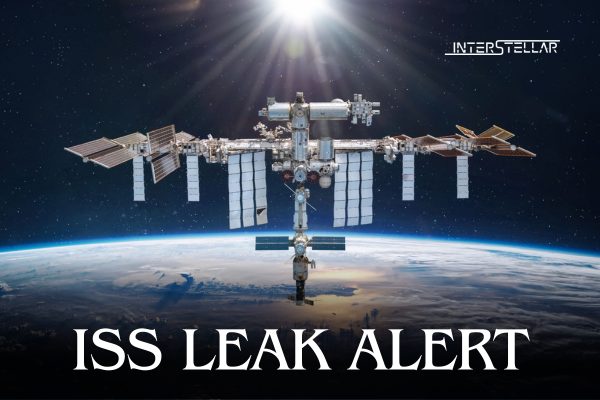
    NASA Warns of Risks from Prolonged Air Leak on ISS

    The International Space Station (ISS) faces an escalating problem as NASA warns of potential “catastrophic failure” caused by a persistent air and pressure leak. The issue, which has persisted for five years, has worsened in recent months, raising concerns about crew safety and the station’s long-term functionality.

    The Source of the Leak

    The leak originates from a tunnel connecting the Russian Zvezda module to a docking port used for supply spacecraft. Zvezda, launched in 2000, is a critical part of the ISS infrastructure. According to NASA, the cracks causing the leak are minute and located near brackets and pipelines, complicating efforts to diagnose and repair them.

    In April, the air loss reached 1.7 kg per day, the highest recorded level. This worsening situation highlights the urgency of addressing the problem to ensure the station’s operational safety.

    Differing Opinions on the Threat

    NASA and Roscosmos, the Russian space agency, have differing views on the severity of the leak and its underlying causes.

    • NASA’s View: The US agency attributes the issue to a combination of mechanical stress, residual stress, and environmental exposure. It has expressed concerns about long-term structural integrity and the potential for catastrophic failure.
    • Roscosmos’ Response: The Russian agency downplays the risk, citing cyclic fatigue from micro-vibrations as the primary cause and insisting the situation is manageable. It has dismissed NASA’s catastrophic warning as “unrealistic.”

    To resolve the deadlock, NASA proposed bringing in neutral experts to assess the situation. However, Roscosmos has rejected this suggestion, further complicating collaborative efforts.

    Mitigation Measures in Place

    In the absence of an immediate resolution, interim measures aim to minimise risks:

    1. The leaking section remains sealed except during supply operations.
    2. Monitoring systems track the leak rate closely.
    3. Roscosmos has assured that the Service Module hatch can be closed if the situation worsens.

    Both agencies are in ongoing discussions to find a long-term solution while balancing operational needs and safety concerns.

    The ISS, a symbol of international cooperation, now faces a test of resilience and collaboration as experts work to safeguard its future.

    Author

    • Kanika Sharma
      Kanika Sharma

      View all posts
    Featured
    Share. Facebook Twitter Pinterest LinkedIn Tumblr Email Reddit Telegram WhatsApp
    Kanika Sharma
    Kanika Sharma

      Keep Reading

      Elon Musk and Ryanair Clash over Cost of Starlink In-Flight WiFi

      Taiwan Eyes Greater Chip Investment in Arizona to Deepen U.S. Ties

      Microsoft Restores 365 Services After North America Outage

      TikTok Creates U.S. Joint Venture to Secure Data and Avoid Ban

      Self-Eating Spacecraft Promises Affordable Deep Space Access

      Elon Musk Challenges U.S. Solar Tariffs and Sets Bold Tesla Goals at Davos

      Add A Comment
      Leave A Reply Cancel Reply

      Anti Drone System (CUAS)
      Latest Posts

      Elon Musk and Ryanair Clash over Cost of Starlink In-Flight WiFi

      January 23, 2026

      Taiwan Eyes Greater Chip Investment in Arizona to Deepen U.S. Ties

      January 23, 2026

      Microsoft Restores 365 Services After North America Outage

      January 23, 2026

      TikTok Creates U.S. Joint Venture to Secure Data and Avoid Ban

      January 23, 2026

      Self-Eating Spacecraft Promises Affordable Deep Space Access

      January 23, 2026

      Elon Musk Challenges U.S. Solar Tariffs and Sets Bold Tesla Goals at Davos

      January 23, 2026

      Blue Origin Unveils TeraWave, a 5,400-Satellite Network for Global Data Connectivity

      January 22, 2026

      Apple Moves to Block CCI from Accessing Global Financial Records

      January 22, 2026

      Districts To Decide The Future Of India’s Exports

      January 22, 2026

      House Panel Approves AI Chip Export Bill Despite White House Opposition

      January 22, 2026

      Subscribe to News

      Get the latest sports news from NewsSite about world, sports and politics.

      • Astronomical Events
      • Space Missions
      • Industry News
      • Science
      StratNewsGlobal Tech
      Facebook X (Twitter) Instagram LinkedIn YouTube
      © 2026 StratNews Global, A unit of BharatShakti Communications LLP
      • About Us
      • Contributors
      • Copyright
      • Contact
      • Write for Us

      Type above and press Enter to search. Press Esc to cancel.