


Close Menu
Stratnews GlobalStratnews Global
    Facebook X (Twitter) Instagram
    Trending
    • Ukraine Ready To Reciprocate If Russia Halts Energy Attacks
    • China Grants Conditional Approval For DeepSeek To Buy Nvidia H200 Chips
    • Apple Prioritises Premium iPhone Lineup For 2026 As Standard Model Faces Delay
    • Bitcoin Slides To Two Month Low As Fed Chair Speculation Weighs On Markets
    • China to Launch Space-Based AI Data Centres in Challenge to SpaceX
    • India’s Middle Class Is Trading Up—And It Changes Everything
    • India’s Social Media Market Booms Amid Growing Concerns Over Digital Addiction
    • Nvidia CEO Hopes China Will Approve Sales of Powerful H200 AI Chip
    Stratnews GlobalStratnews Global
    Write for Us
    Saturday, January 31
    • Space
    • Science
    • AI and Robotics
    • Industry News
    Stratnews GlobalStratnews Global
    Home » Taiwan’s Chipmakers Face Growing Chinese Competition

    Taiwan’s Chipmakers Face Growing Chinese Competition

    Kanika SharmaBy Kanika SharmaFebruary 10, 2025 Technology No Comments3 Mins Read
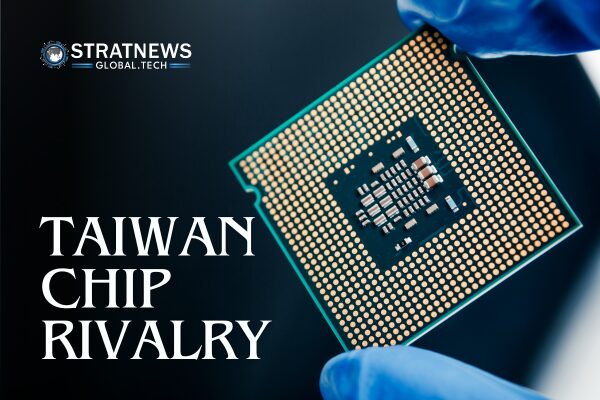
    Taiwan's Chipmakers

    Taiwan’s Chipmakers Faces Fierce Competition from Chinese Rivals

    Taiwan’s Chipmakers once hoped its partnership with the Chinese city of Hefei would offer better access to China’s growing market. However, nine years later, the deal has created a formidable rival—Nexchip. Once a promising business venture, Nexchip has become one of Powerchip’s toughest competitors in the legacy chip sector.

    Chinese foundries, including Nexchip, Hua Hong, and SMIC, are expanding aggressively in the $56.3 billion legacy chip market, which focuses on older technologies like 28-nanometre chips and larger. This shift has triggered an investigation by the Biden administration and raised concerns in Taiwan’s semiconductor industry.

    Chinese Foundries Seize Market Share

    The rise of Chinese foundries is threatening Taiwan’s long-held dominance in the legacy chip market. Key Taiwanese players such as Powerchip, UMC, and Vanguard International are under pressure as Chinese manufacturers offer lower prices and expand their production capacity.

    Frank Huang, chairman of Powerchip, said the company must evolve to survive in this competitive landscape. “Mature-node foundries like us must transform, or Chinese price cuts will push us out,” Huang stated.

    UMC is partnering with Intel to develop more advanced chips and reduce reliance on legacy chip production. Meanwhile, Vanguard International declined to comment on the situation.

    Strong Backing Fuels Chinese Expansion

    Blocked by US restrictions from developing high-end chip technology, Chinese foundries have focused on legacy chips. Backed by substantial funding from Beijing, they accept lower profit margins and undercut Taiwanese rivals.

    China’s capacity for mature-node chip manufacturing grew significantly, with its share reaching 34% in 2024, compared to Taiwan’s 43%, according to TrendForce. By 2027, China’s share is expected to surpass Taiwan’s. A report by SEMI forecasts that 57 out of 97 new semiconductor fabrication plants opening between 2023 and 2025 will be in China.

    Taiwanese chip designers have noted a rise in demand from Chinese customers to produce chips locally. Chinese state-linked firms, such as China Mobile and China Telecom, have also increased requirements for the use of domestically made components.

    Shifting Strategies Amid US-China Trade Tensions

    The ongoing trade tensions between the US and China could offer Taiwanese firms some relief. US policies aiming to curb China’s chip development and worsening relations between China and other countries have prompted customers to diversify their supply chains.

    Powerchip’s Huang said the company is shifting its focus from display driver and sensor chips, widely used in China, to advanced technologies like 3D stacking. This technique integrates logic and memory chips, improving performance and reducing energy use.

    Taiwanese chip companies are also receiving more orders from international clients who prefer their chips not be made in China. “Customers don’t want ‘Made in China’ chips,” said an executive from a Taiwanese chip design firm.

    With China’s rapid growth in the legacy chip sector and increasing geopolitical pressures, Taiwanese companies must adapt quickly to secure their place in the global semiconductor market.

    with inputs from Reuters

    Author

    • Kanika Sharma
      Kanika Sharma

      View all posts
    Featured
    Share. Facebook Twitter Pinterest LinkedIn Tumblr Email Reddit Telegram WhatsApp
    Kanika Sharma
    Kanika Sharma

      Keep Reading

      Ukraine Ready To Reciprocate If Russia Halts Energy Attacks

      China Grants Conditional Approval For DeepSeek To Buy Nvidia H200 Chips

      Apple Prioritises Premium iPhone Lineup For 2026 As Standard Model Faces Delay

      Bitcoin Slides To Two Month Low As Fed Chair Speculation Weighs On Markets

      China to Launch Space-Based AI Data Centres in Challenge to SpaceX

      India’s Social Media Market Booms Amid Growing Concerns Over Digital Addiction

      Add A Comment
      Leave A Reply Cancel Reply

      Anti Drone System (CUAS)
      Latest Posts

      Ukraine Ready To Reciprocate If Russia Halts Energy Attacks

      January 30, 2026

      China Grants Conditional Approval For DeepSeek To Buy Nvidia H200 Chips

      January 30, 2026

      Apple Prioritises Premium iPhone Lineup For 2026 As Standard Model Faces Delay

      January 30, 2026

      Bitcoin Slides To Two Month Low As Fed Chair Speculation Weighs On Markets

      January 30, 2026

      China to Launch Space-Based AI Data Centres in Challenge to SpaceX

      January 29, 2026

      India’s Middle Class Is Trading Up—And It Changes Everything

      January 29, 2026

      India’s Social Media Market Booms Amid Growing Concerns Over Digital Addiction

      January 29, 2026

      Nvidia CEO Hopes China Will Approve Sales of Powerful H200 AI Chip

      January 29, 2026

      Nokia Chair Sari Baldauf To Step Down, Timo Ihamuotila Set To Succeed Her

      January 29, 2026

      Union Budget 2026–27: Space and Geospatial Industry Pushes for Tax Relief

      January 28, 2026

      Subscribe to News

      Get the latest sports news from NewsSite about world, sports and politics.

      • Astronomical Events
      • Space Missions
      • Industry News
      • Science
      StratNewsGlobal Tech
      Facebook X (Twitter) Instagram LinkedIn YouTube
      © 2026 StratNews Global, A unit of BharatShakti Communications LLP
      • About Us
      • Contributors
      • Copyright
      • Contact
      • Write for Us

      Type above and press Enter to search. Press Esc to cancel.