

Close Menu
Stratnews GlobalStratnews Global
    Facebook X (Twitter) Instagram
    Trending
    • Self-Eating Spacecraft Promises Affordable Deep Space Access
    • Elon Musk Challenges U.S. Solar Tariffs and Sets Bold Tesla Goals at Davos
    • Blue Origin Unveils TeraWave, a 5,400-Satellite Network for Global Data Connectivity
    • Apple Moves to Block CCI from Accessing Global Financial Records
    • Districts To Decide The Future Of India’s Exports
    • House Panel Approves AI Chip Export Bill Despite White House Opposition
    • Columbia Engineers Build Self-Learning Robotic Face That Lip-Syncs Naturally
    • BitGo Raises $212.8 Million in First U.S. Crypto IPO of 2026
    Stratnews GlobalStratnews Global
    Write for Us
    Friday, January 23
    • Space
    • Science
    • AI and Robotics
    • Industry News
    Stratnews GlobalStratnews Global
    Home » U.S. Pushes to End Reliance on Chinese Lidar Technology

    U.S. Pushes to End Reliance on Chinese Lidar Technology

    StratNewsGlobal Tech TeamBy StratNewsGlobal Tech TeamDecember 12, 2025 World No Comments2 Mins Read
    U.S. Chinese lidar ban Sensors

    U.S. Lawmaker Seeks Ban on Chinese Lidar in Cars and Critical Infrastructure

    A U.S. lawmaker has introduced legislation aimed at eliminating Chinese-made sensors from self-driving vehicles and critical infrastructure, citing fears they could be hacked or disabled remotely during a conflict. Representative Raja Krishnamoorthi, a Democrat from Illinois and ranking member of the House Select Committee on China, proposed the bill this week to phase out Chinese lidar technology across key sectors.

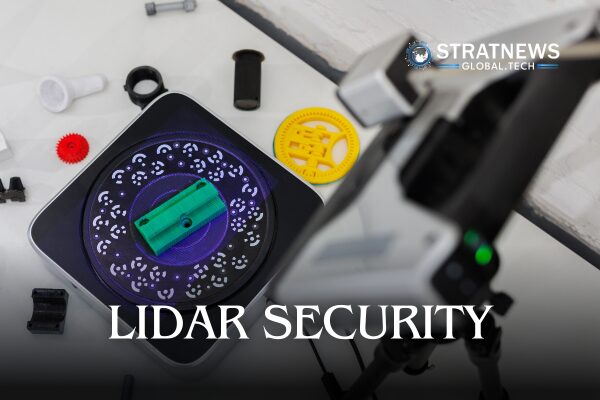
    Lidar sensors, which use lasers to map surroundings for autonomous vehicles, are also widely used in port automation and industrial systems. The bill would prohibit new purchases of Chinese-made lidar after three years while offering limited waivers for scientific and cybersecurity research. A five-year transition period would be granted for replacing legacy equipment already deployed in critical systems.

    Security and Market Concerns

    The proposed law reflects growing anxiety in Washington over China’s dominance in advanced sensing technologies. Consulting firm Yole Group estimated earlier this year that Chinese lidar firms hold 93% of the passenger car market and 89% of the overall lidar sector.

    “America and our allies should lead in LiDAR innovation — not cede control of this critical technology to foreign adversaries who will use their control to endanger Americans,” Krishnamoorthi said.

    National security analysts have warned that Chinese-manufactured sensors could be remotely deactivated from space during a conflict, crippling U.S. systems in seconds. Craig Singleton, senior China fellow at the Foundation for Defense of Democracies, cautioned that “Chinese LiDAR is already starting to embed itself across U.S. infrastructure — from autonomous vehicles to pipeline inspection systems — and allowing vendors to scale further risks repeating the same strategic mistake we made with Huawei.”

    Military Implications and Industry Shifts

    Lidar technology is increasingly vital to autonomous military and defence applications, raising further concerns about reliance on Chinese suppliers. The U.S. Department of Defense has already added Hesai Group, the world’s largest maker of automotive lidar sensors, to its list of entities accused of supporting China’s military. Hesai challenged the designation in court but lost.

    Meanwhile, American lidar manufacturers such as Ouster and Aeva Technologies are seeking to capture a larger share of the market, positioning themselves as secure alternatives to Chinese competitors. Analysts say a U.S. phase-out could accelerate domestic production and strengthen the resilience of national infrastructure against potential cyberthreats.

    with inputs from Reuters

    Author

    • StratNewsGlobal Tech Team
      StratNewsGlobal Tech Team

      View all posts
    Featured
    Share. Facebook Twitter Pinterest LinkedIn Tumblr Email Reddit Telegram WhatsApp
    StratNewsGlobal Tech Team
    • Website

    Keep Reading

    Self-Eating Spacecraft Promises Affordable Deep Space Access

    Elon Musk Challenges U.S. Solar Tariffs and Sets Bold Tesla Goals at Davos

    Blue Origin Unveils TeraWave, a 5,400-Satellite Network for Global Data Connectivity

    Districts To Decide The Future Of India’s Exports

    House Panel Approves AI Chip Export Bill Despite White House Opposition

    Columbia Engineers Build Self-Learning Robotic Face That Lip-Syncs Naturally

    Add A Comment
    Leave A Reply Cancel Reply

    Anti Drone System (CUAS)
    Latest Posts

    Self-Eating Spacecraft Promises Affordable Deep Space Access

    January 23, 2026

    Elon Musk Challenges U.S. Solar Tariffs and Sets Bold Tesla Goals at Davos

    January 23, 2026

    Blue Origin Unveils TeraWave, a 5,400-Satellite Network for Global Data Connectivity

    January 22, 2026

    Apple Moves to Block CCI from Accessing Global Financial Records

    January 22, 2026

    Districts To Decide The Future Of India’s Exports

    January 22, 2026

    House Panel Approves AI Chip Export Bill Despite White House Opposition

    January 22, 2026

    Columbia Engineers Build Self-Learning Robotic Face That Lip-Syncs Naturally

    January 22, 2026

    BitGo Raises $212.8 Million in First U.S. Crypto IPO of 2026

    January 22, 2026

    Canadian Court Reverses TikTok Ban, Orders New Security Review

    January 22, 2026

    South Korea’s Economy Shrinks in Late 2025, AI and Chip Boom to Drive Rebound

    January 22, 2026

    Subscribe to News

    Get the latest sports news from NewsSite about world, sports and politics.

    • Astronomical Events
    • Space Missions
    • Industry News
    • Science
    StratNewsGlobal Tech
    Facebook X (Twitter) Instagram LinkedIn YouTube
    © 2026 StratNews Global, A unit of BharatShakti Communications LLP
    • About Us
    • Contributors
    • Copyright
    • Contact
    • Write for Us

    Type above and press Enter to search. Press Esc to cancel.